Asunción, Paraguay
Evergreen city guide with quick facts, travel, business, and culture.
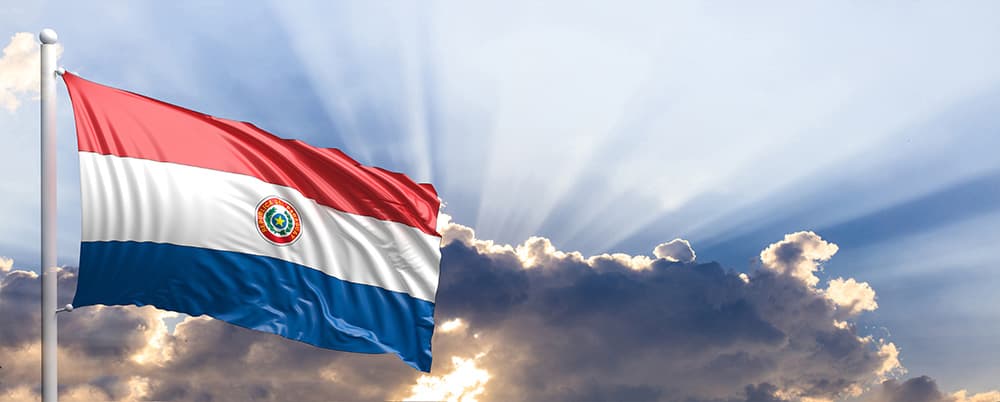
Central Asunción — palms, plazas and an unhurried capital pace.
Overview
Historic Centre
River & Markets
Guaraní Culture & Food
Day Trips
Asunción, the capital of land-locked Paraguay, is one of South America's least-visited and most genuinely off-the-beaten-path capitals — a sprawling, low-rise, sub-tropical city on the banks of the Paraguay River that rewards curious travellers with an unpolished, authentic slice of the continent and some of its friendliest people. Founded in 1537, it is among the oldest cities in South America and was long known as the 'mother of cities', the base from which much of the region was settled, and that history lingers in its historic centre: the domed Panteón Nacional de los Héroes (a national mausoleum modelled on Les Invalides), the riverside Palacio de los López (the elegant 19th-century presidential palace, beautifully lit at night), the old Cabildo (the former town hall, now a cultural centre and museum overlooking the main square), the Casa de la Independencia where Paraguay's freedom was declared, and the atmospheric old railway station. Down at the water, the Costanera — a riverfront avenue and promenade — has given the city a place to stroll, cycle and watch the sun set over the wide brown river and the wild Chaco beyond. Asunción's culture is distinctively Paraguayan: this is a thoroughly bilingual country where the indigenous Guaraní language is spoken alongside Spanish by almost everyone, and that heritage shows in the food — chipa (a chewy cheese-and-cassava bread sold everywhere), sopa paraguaya (a rich cornbread, despite its name), mandioca (cassava) with every meal, asado and the ubiquitous tereré, an ice-cold version of mate sipped from a guampa horn through the hot afternoons. The chaotic Mercado 4 is a sensory plunge into Paraguayan commerce, the crafts of ñandutí lace and Areguá ceramics are local specialities, and a laid-back café and nightlife scene has grown in the leafier districts. Beyond the city, day trips reach the lakeside artists' town of Areguá and Lake Ypacaraí, and — further afield — the magnificent UNESCO-listed Jesuit mission ruins of the south. Asunción is hot — sub-tropical, with very warm summers (December to February) and mild winters; the cooler months from May to September are the most comfortable for exploring.
Discover Asunción
Asunción's compact historic centre carries the weight of the city's age as one of South America's earliest Spanish foundations. Its landmark is the Panteón Nacional de los Héroes, a domed mausoleum on a central plaza, modelled on Les Invalides in Paris, where Paraguay's national heroes are entombed and a guard of honour stands watch. A few blocks away, facing the river, the Palacio de los López — the graceful, French-influenced presidential palace built in the 1860s — is one of the city's most beautiful buildings, especially when floodlit after dark. Nearby stand the old Cabildo (the colonial-era town hall, now a cultural centre and museum on Plaza de la Independencia), the Casa de la Independencia museum in a preserved colonial house where the country's independence was plotted, the cathedral, and the evocative old Central Railway Station with its vintage steam locomotive. The centre, faded and weathered in places, rewards a slow morning walk before the heat builds, with the riverfront just below.
For travellers who enjoy authentic, off-the-beaten-path cities over polished tourist sights, very much so. Asunción is one of South America's least-visited capitals — an unhurried, genuinely Paraguayan city of faded historic grandeur, riverfront promenades, chaotic markets, distinctive food and exceptionally friendly people. It won't dazzle with blockbuster monuments, but it offers a real, unpolished slice of the continent and a gateway to a country few outsiders reach.
The cooler, drier months from May to September are the most comfortable — Asunción is sub-tropical and summers (December to February) are very hot and humid, often well above 35°C. Whenever you go, plan for heat: explore in the mornings and evenings, rest in the shade through the midday, and drink plenty of the local tereré, which Paraguayans rely on to stay cool. Spring and autumn are pleasant transitional seasons.
Start with chipa, the chewy cheese-and-cassava bread sold everywhere, and sopa paraguaya, which despite its name is a savoury cornbread. Pair the hearty asado (grilled meats) with mandioca (cassava), and try empanadas and Paraguayan corn dishes. The essential drink is tereré — yerba mate served ice-cold with herbs, sipped socially through the heat of the day — alongside good local beer. The flavours reflect Paraguay's Guaraní heritage and are distinct from the rest of South America.
3 embassies based in this city, grouped by region.