Tourism and long-haul travel
Start with the destination, then layer in the visa pathway, money preparation and on-the-ground tools — before you book anything that's hard to undo.
The sights worth planning a trip around, what to eat, how the money works, how to get from city to city — and the visa pathway that fits your passport. Start with where you want to go; everything else is already laid out.
Tom / Adobe StockEach of these opens the whole picture — the sights, the food, the money and the visa, in one continuous read.
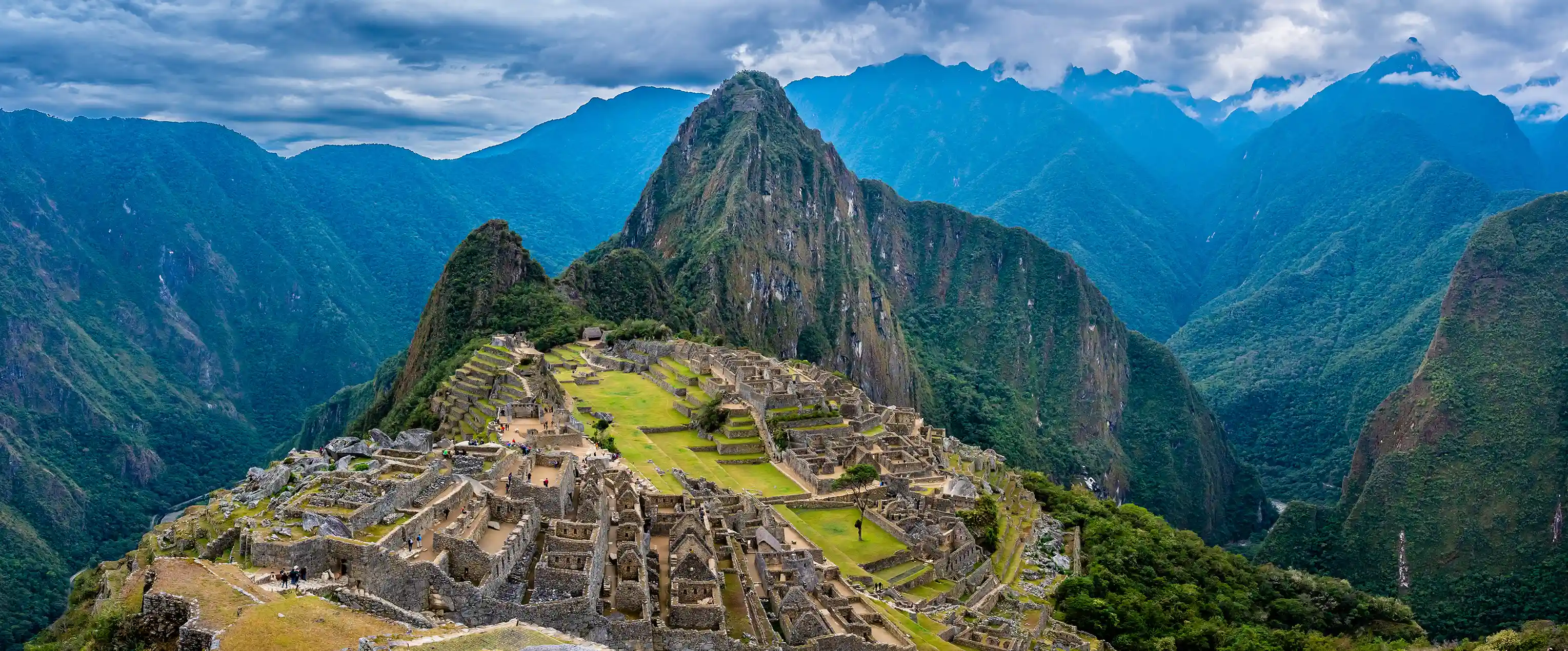
 Peru
PeruMachu Picchu is the headline — the Andes, the food capital Lima and the Amazon are the rest of the story.
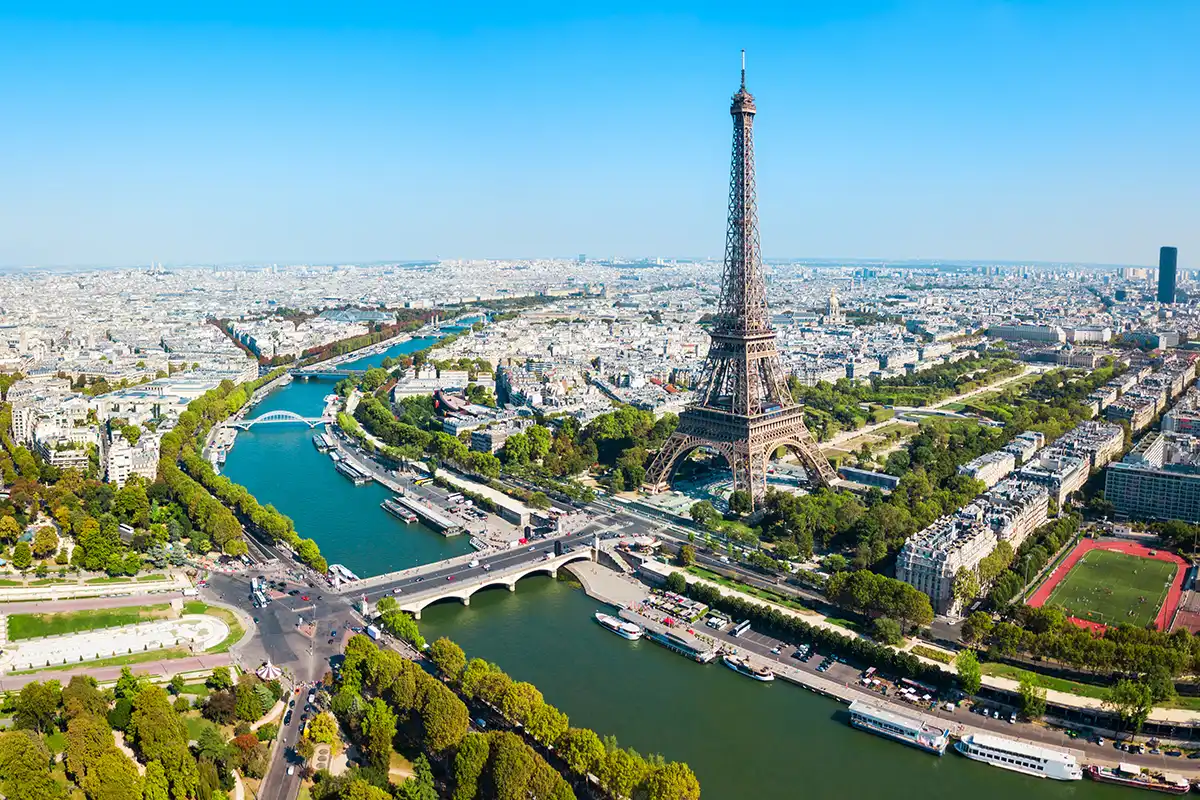
 France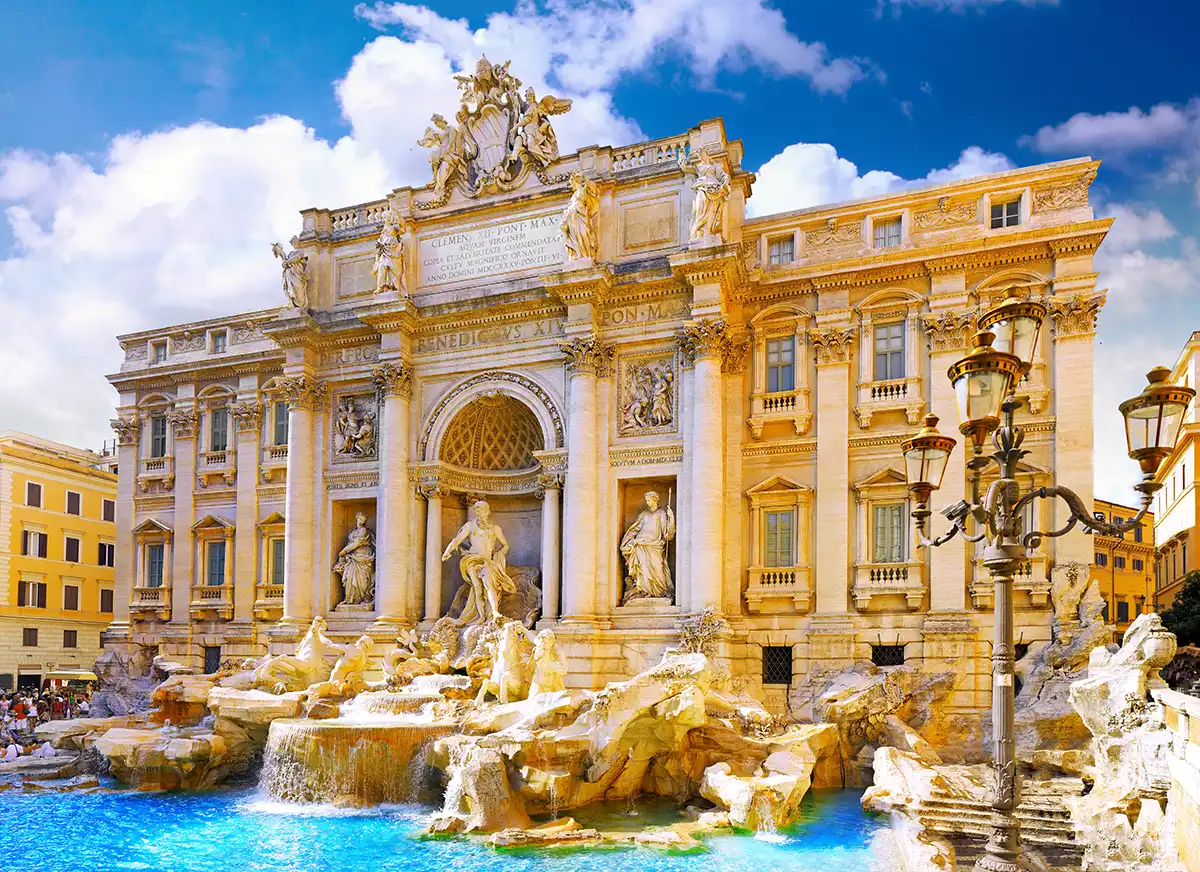
 Italy
Italy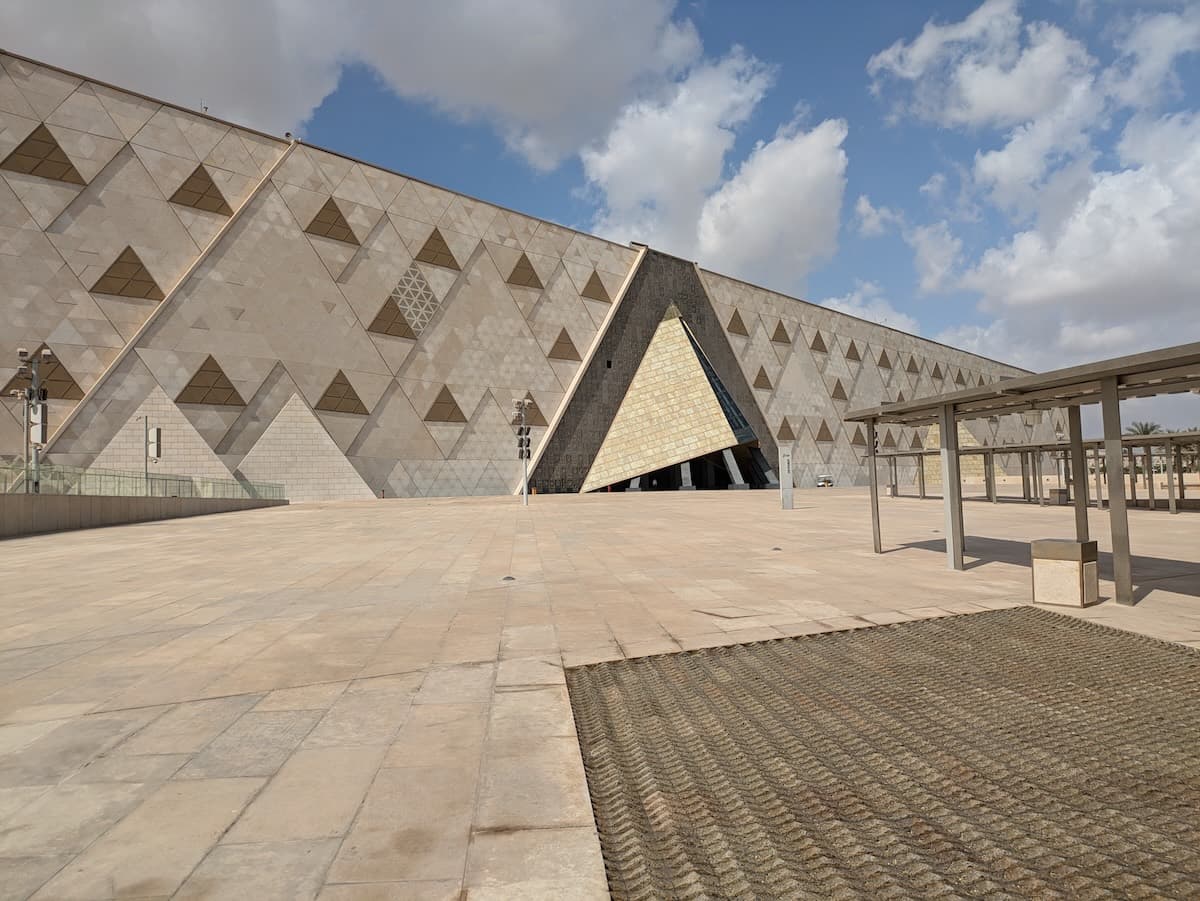
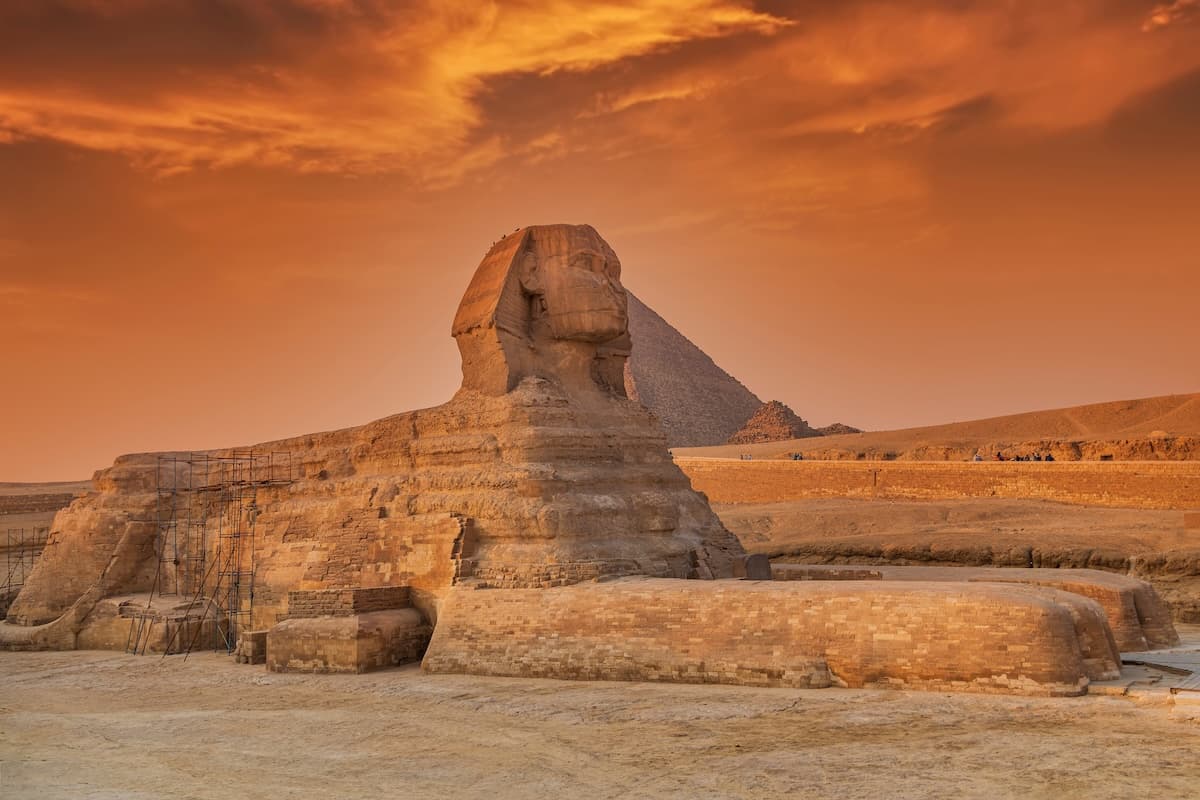
 Egypt
Egypt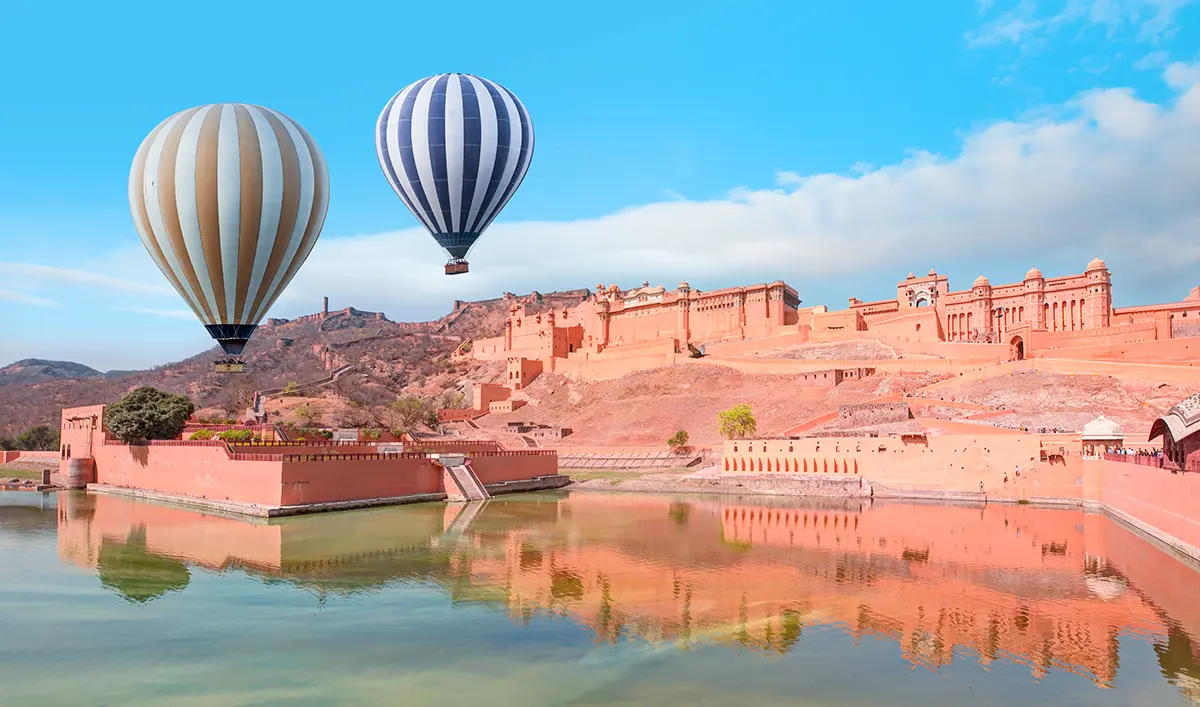
 India
India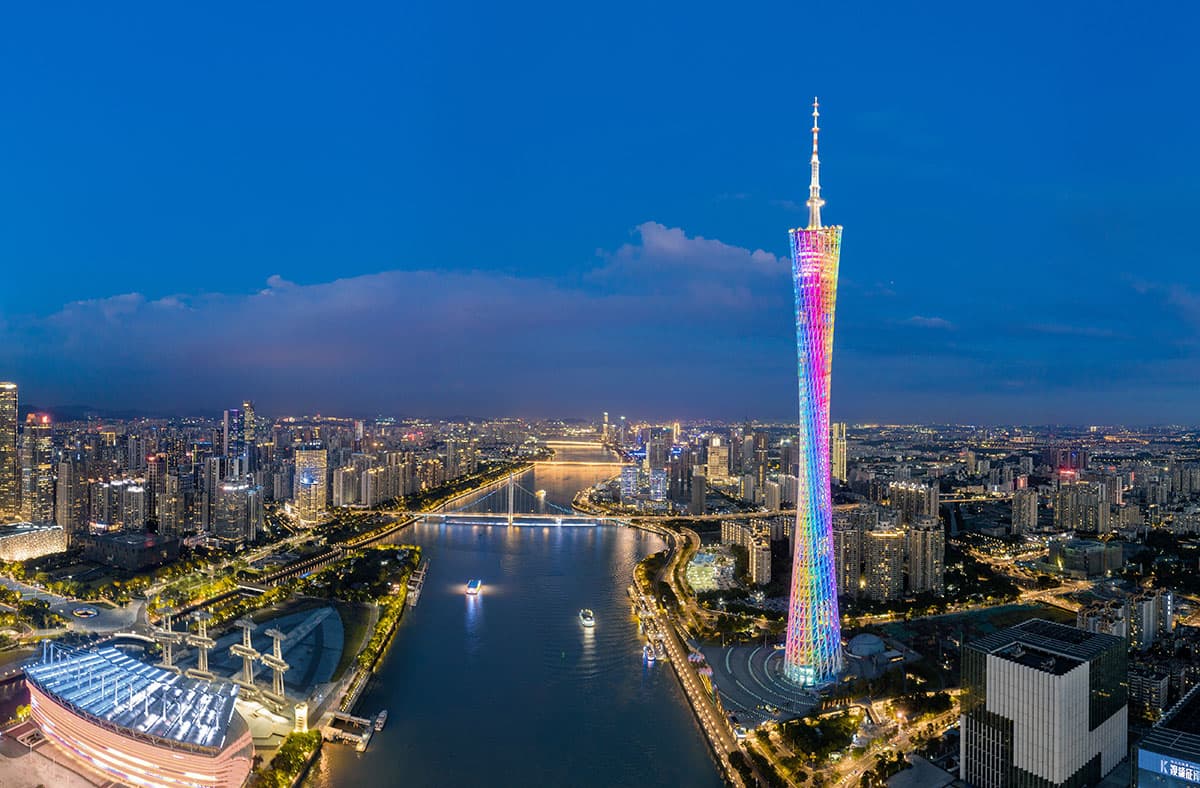
 China
China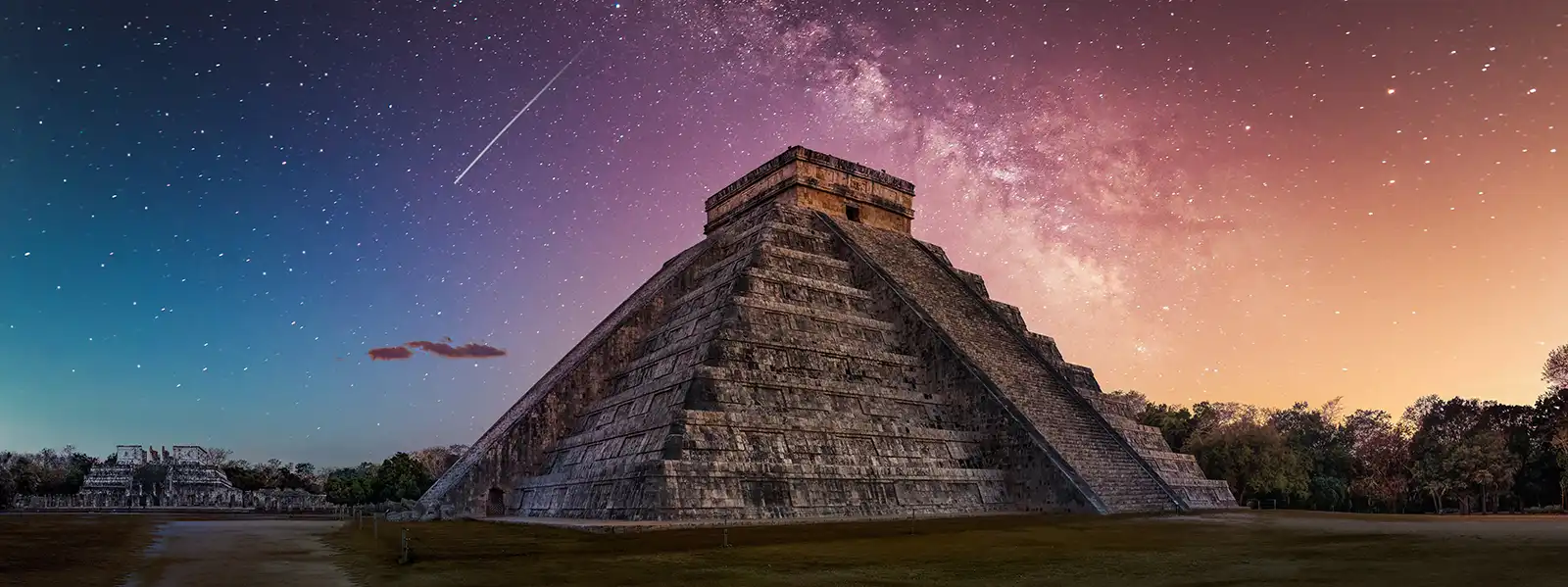
 Mexico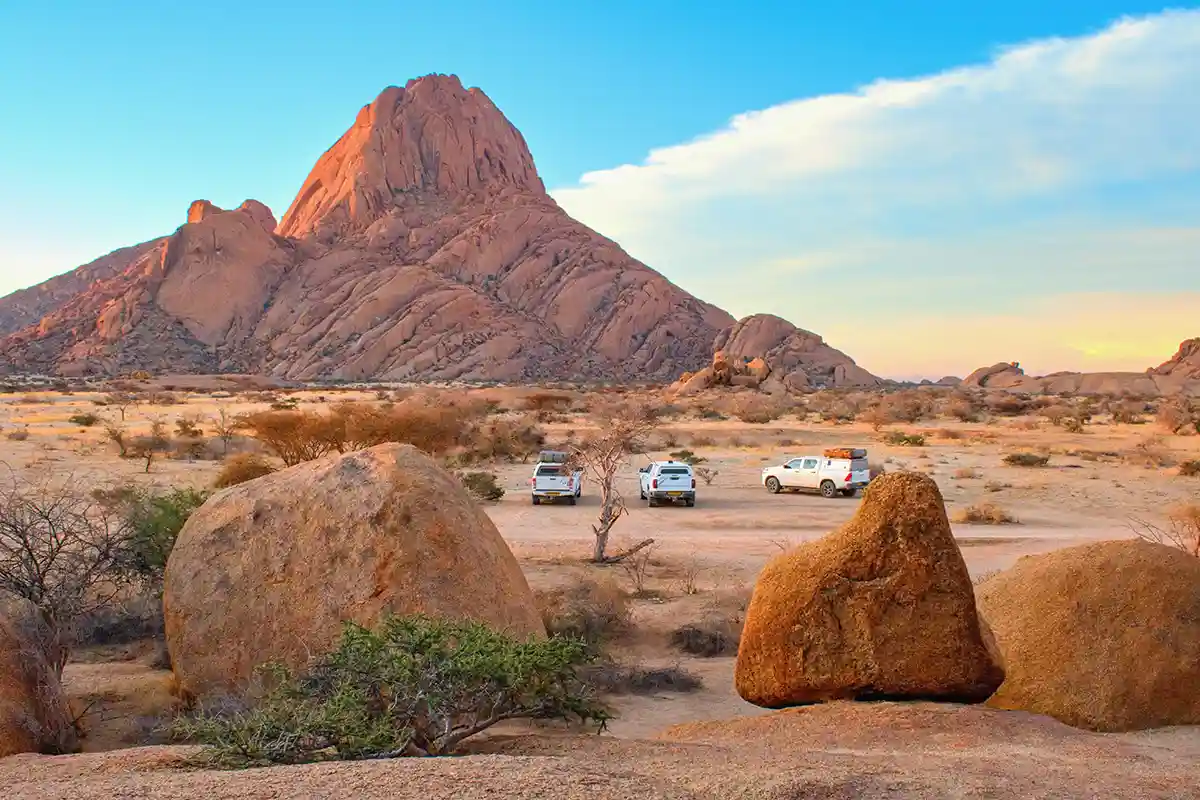
 Namibia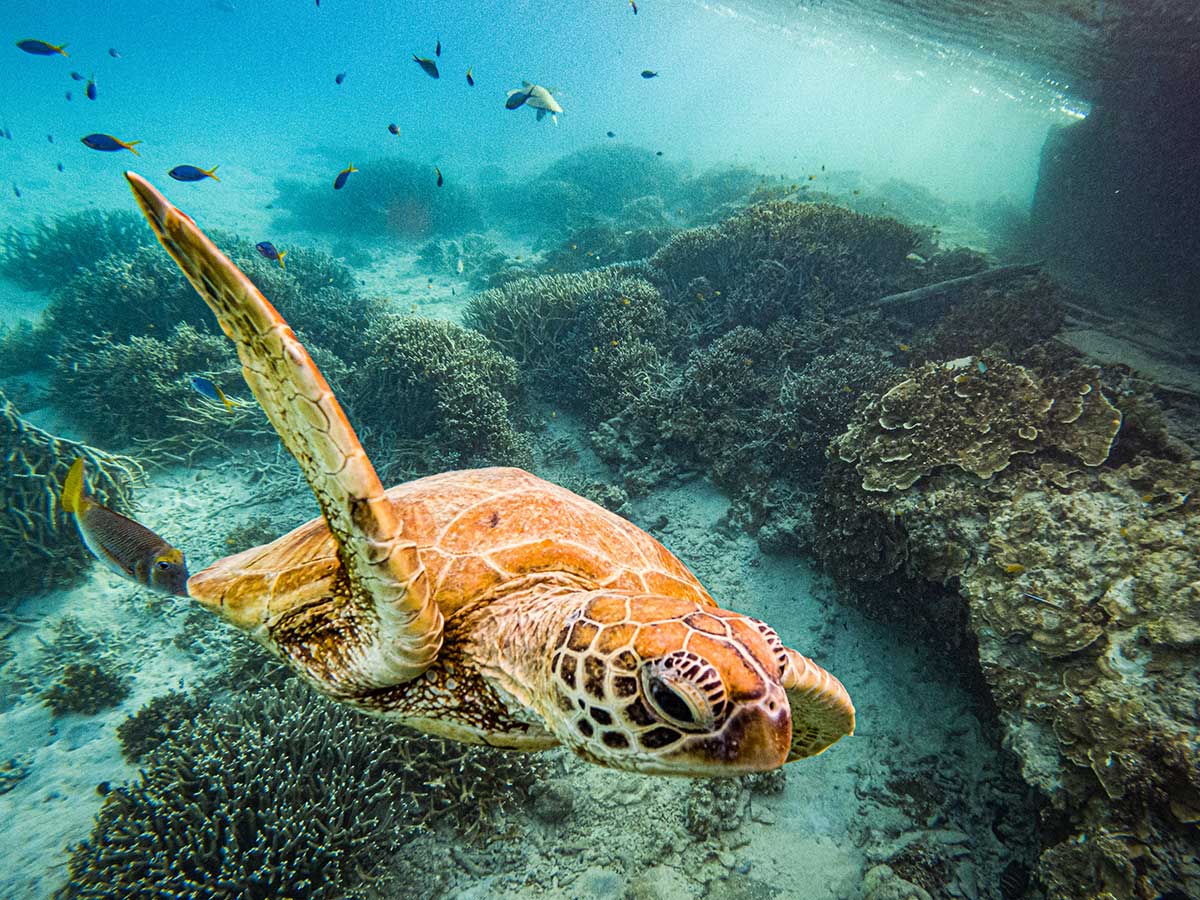
 Australia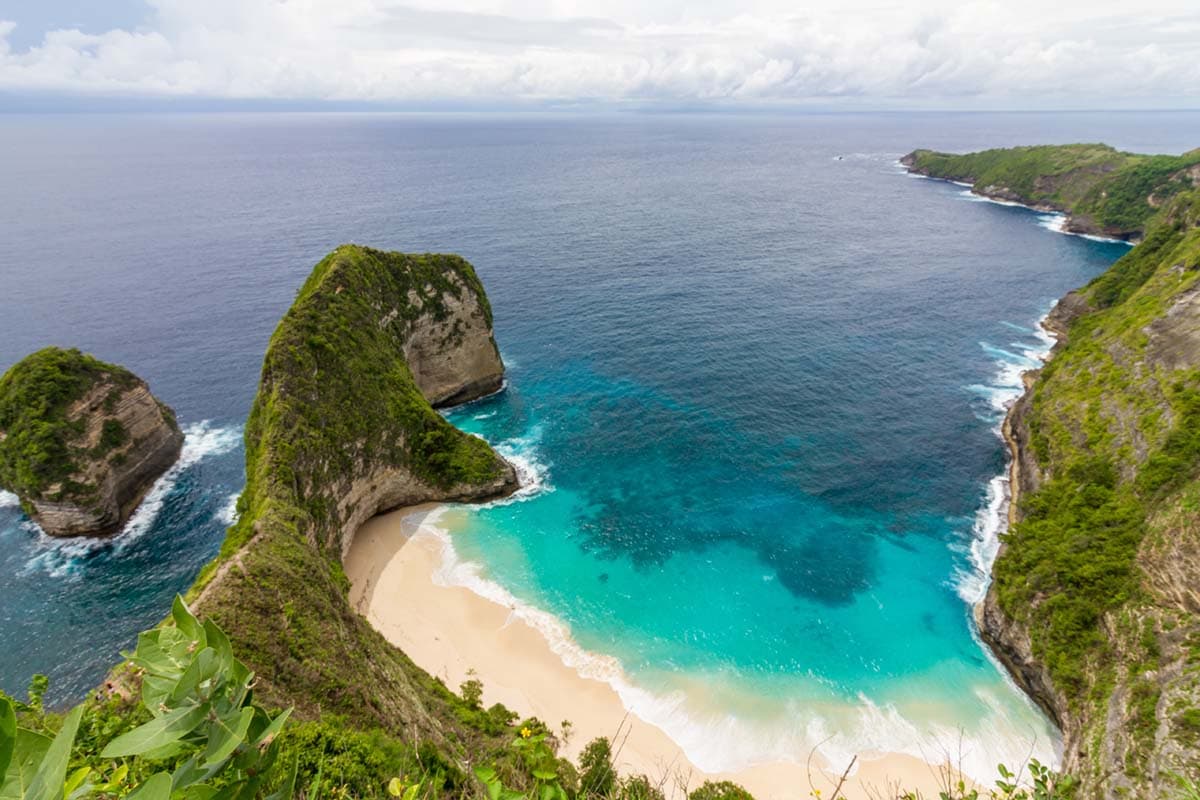
 Indonesia
 United States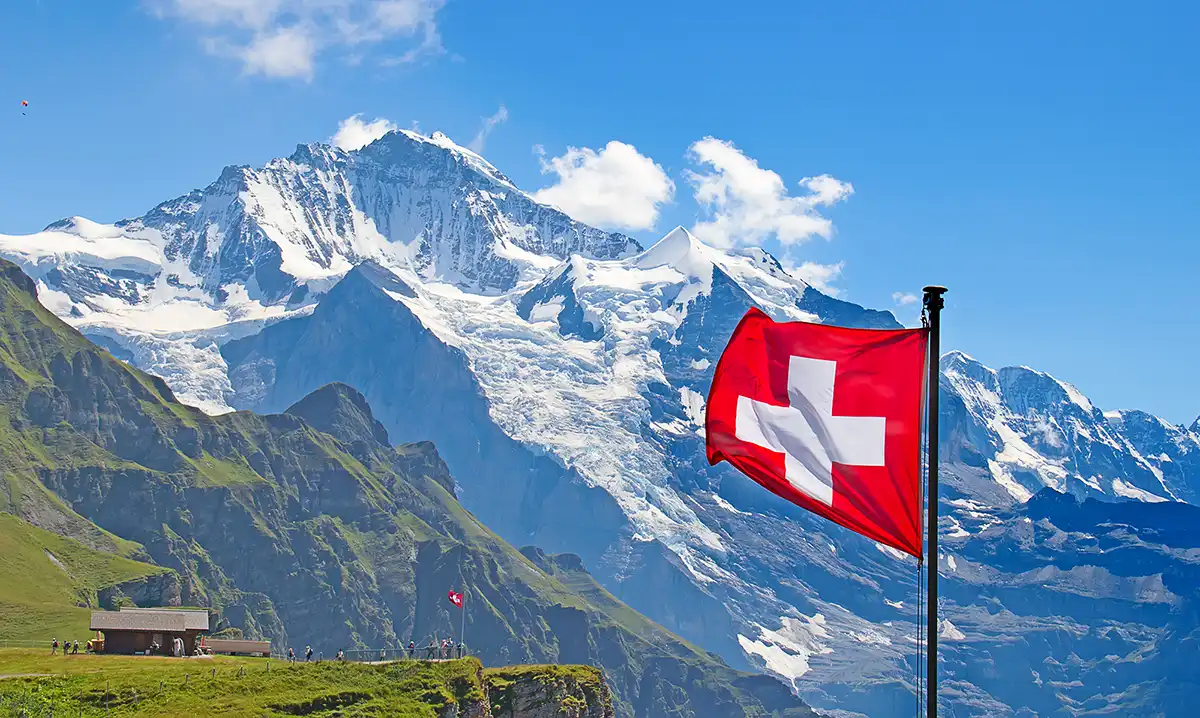
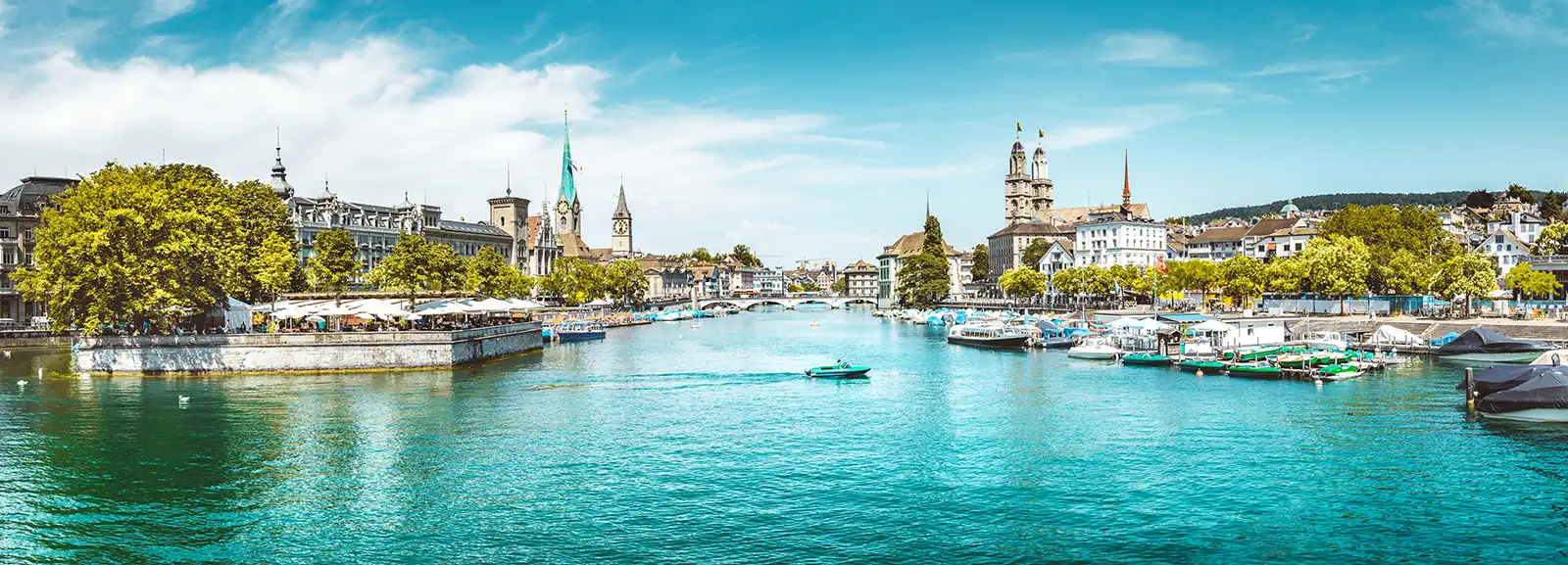
 Switzerland
The experiences people fly across the world for — read the guide before you book the flight.
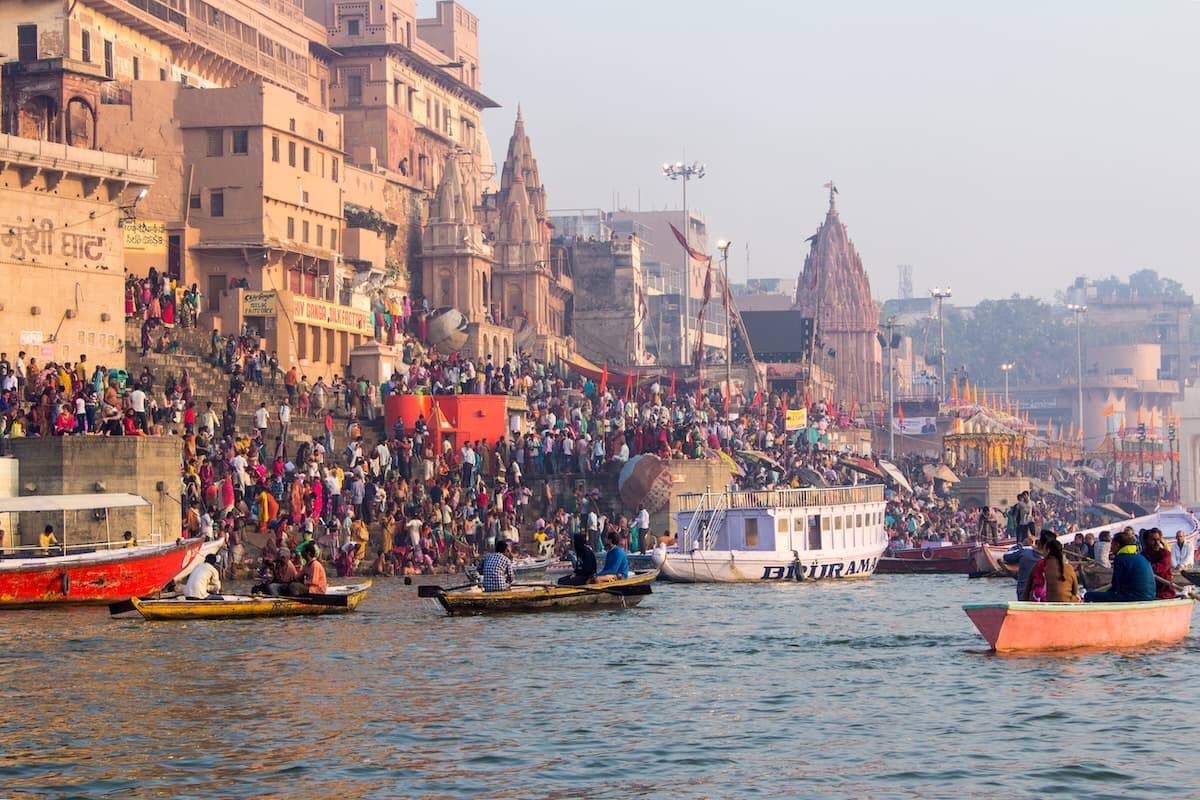
Varanasi's ghats face the sunrise across an empty far bank — a city built as a threshold. How to read the river liturgy respectfully, and why the Buddha's sites sit next door.
 pyty / Adobe Stock
Etosha is too vast and too dry to game-drive by distance — the whole park is organized around a handful of permanent waterholes. That changes which camp to pick, and when to drive.
 proslgn / Adobe Stock
The wind that gives Provence its famous light, and the two waves of outsiders — Victorian aristocrats, then Jazz Age Americans — who invented the Riviera as we know it.
 merydolla / Adobe Stock
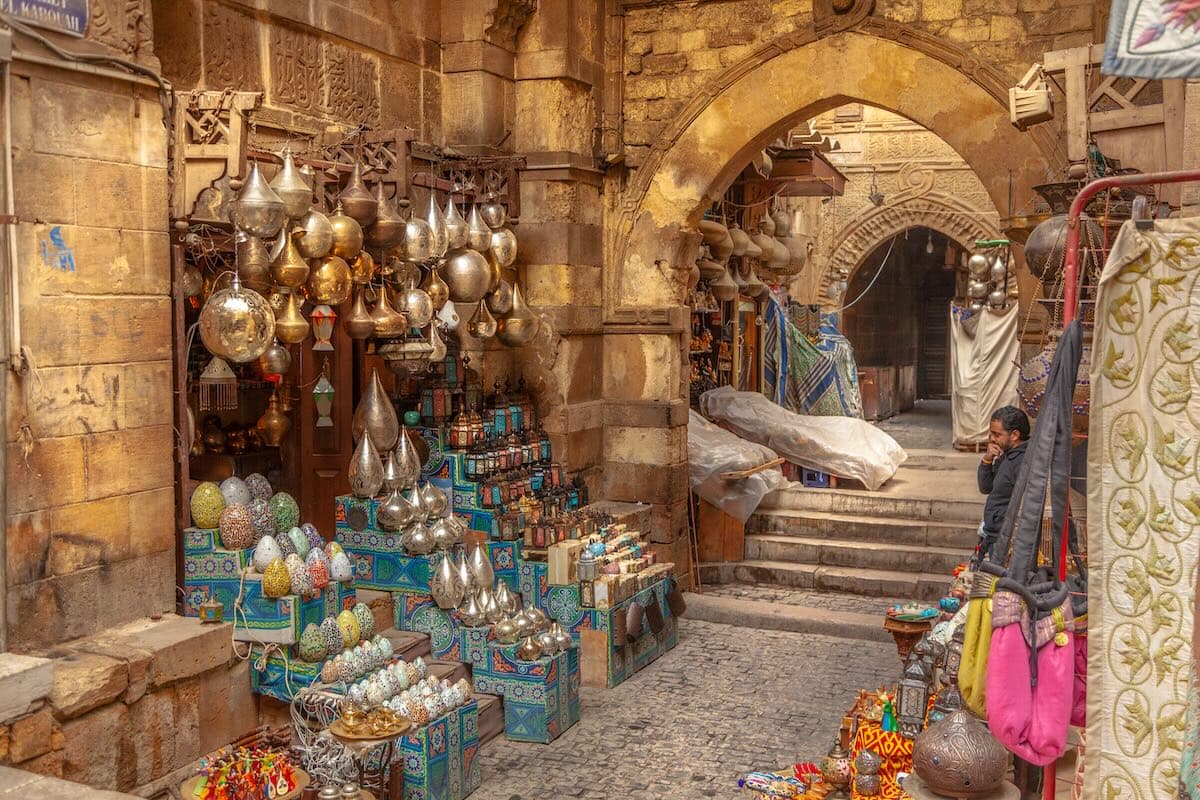
Street food built on beans, bread and centuries of practice — ful carts at 3 AM, koshari by the bowl, and the bazaar cafés where Cairo has taken its coffee since the 1700s.
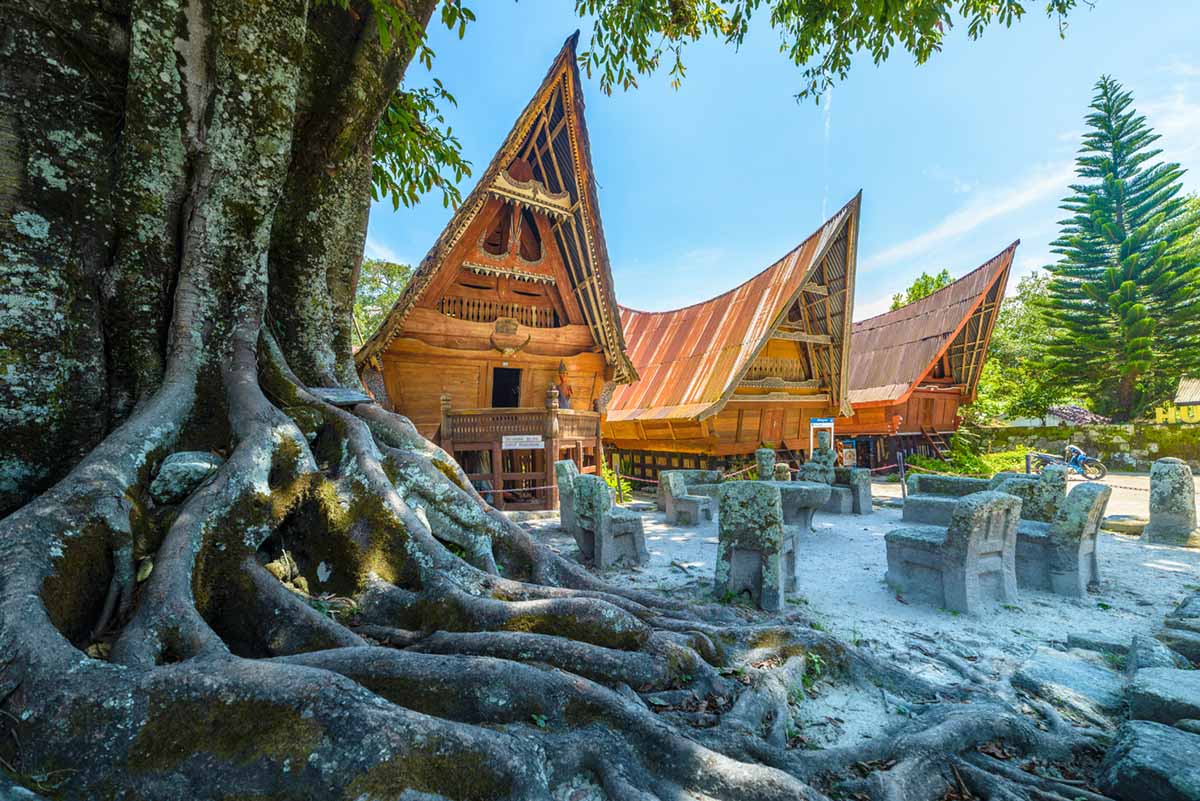
Indonesia sits directly on the Pacific Ring of Fire — the same geology behind Bromo's caldera and Ijen's blue flames built the fertile soil that fed a civilisation.
 Sergey Yarochkin / Adobe Stock
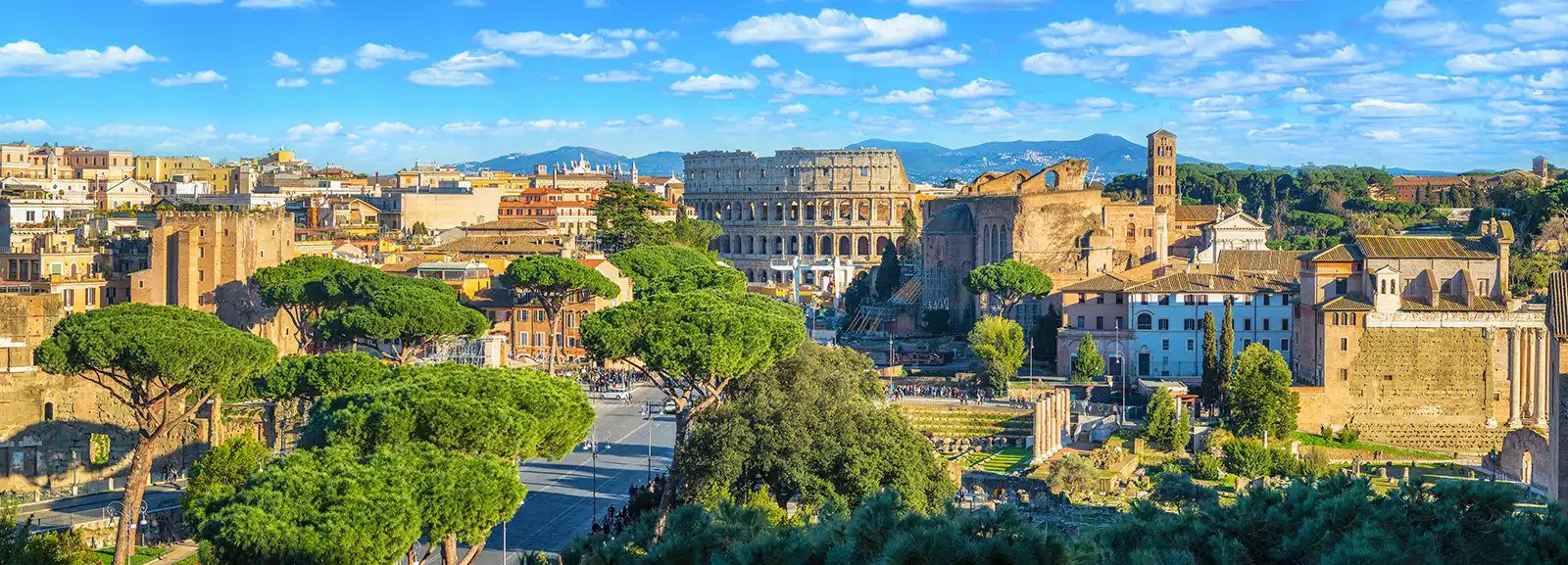
The Colosseum, Pompeii and the Forum look like one ancient world — but “Roman” Italy was built on Greek cities and Etruscan foundations. Reading the layers turns a checklist into a story.
 rafalkubiak / Adobe Stock
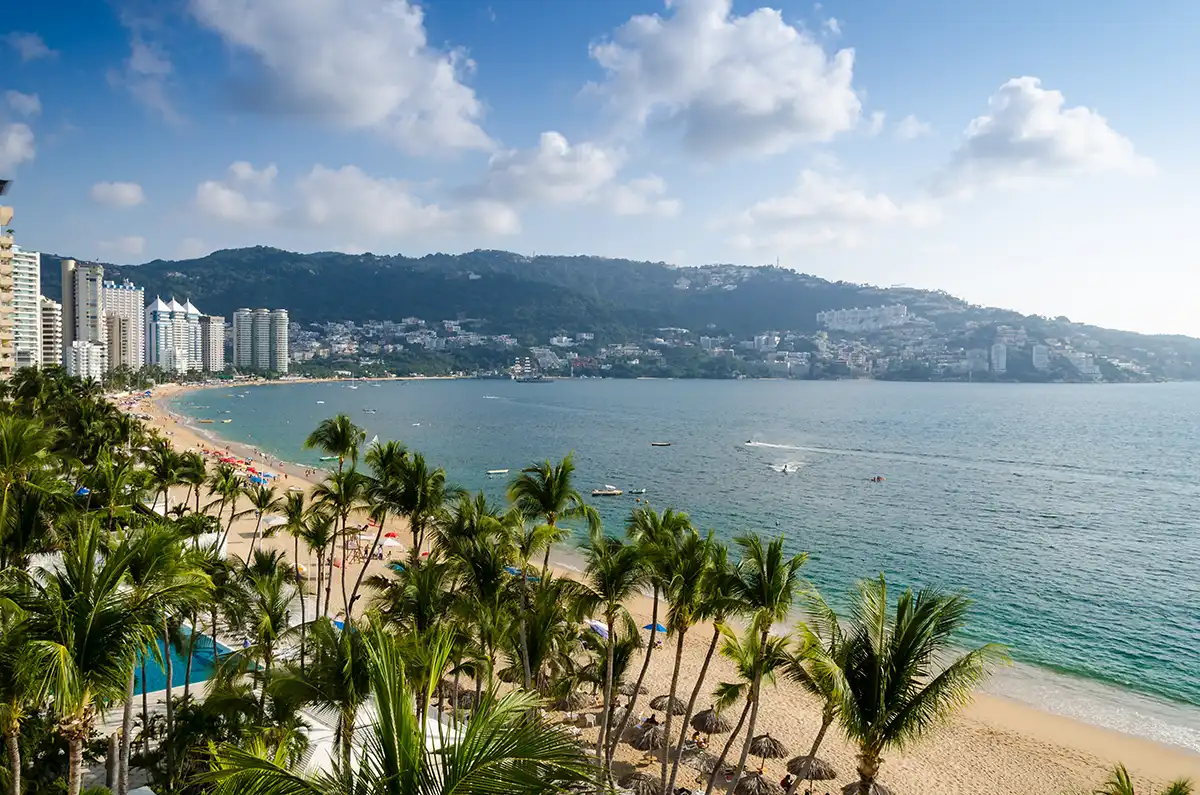
Open-ocean swell, deeper water and desert-meets-sea geology — the coast that built Puerto Vallarta and Baja answers to entirely different rules than the Caribbean side.
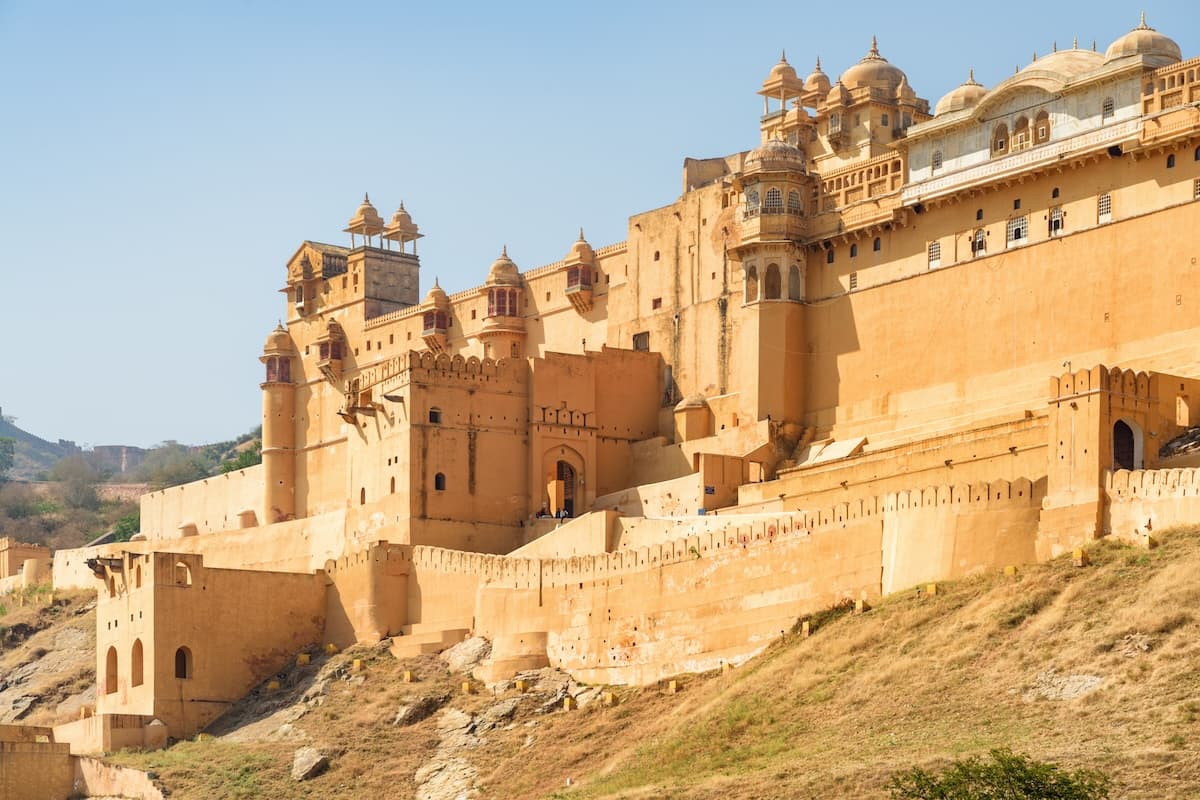
Rajasthan's forts are intact because its kings survived — and its palaces became hotels for a precise historical reason. The colour-coded cities, the living Thar, and the classic loop.
Routes with the days already sequenced — take them as they are, or bend them to your dates.
 zevana / Adobe Stock
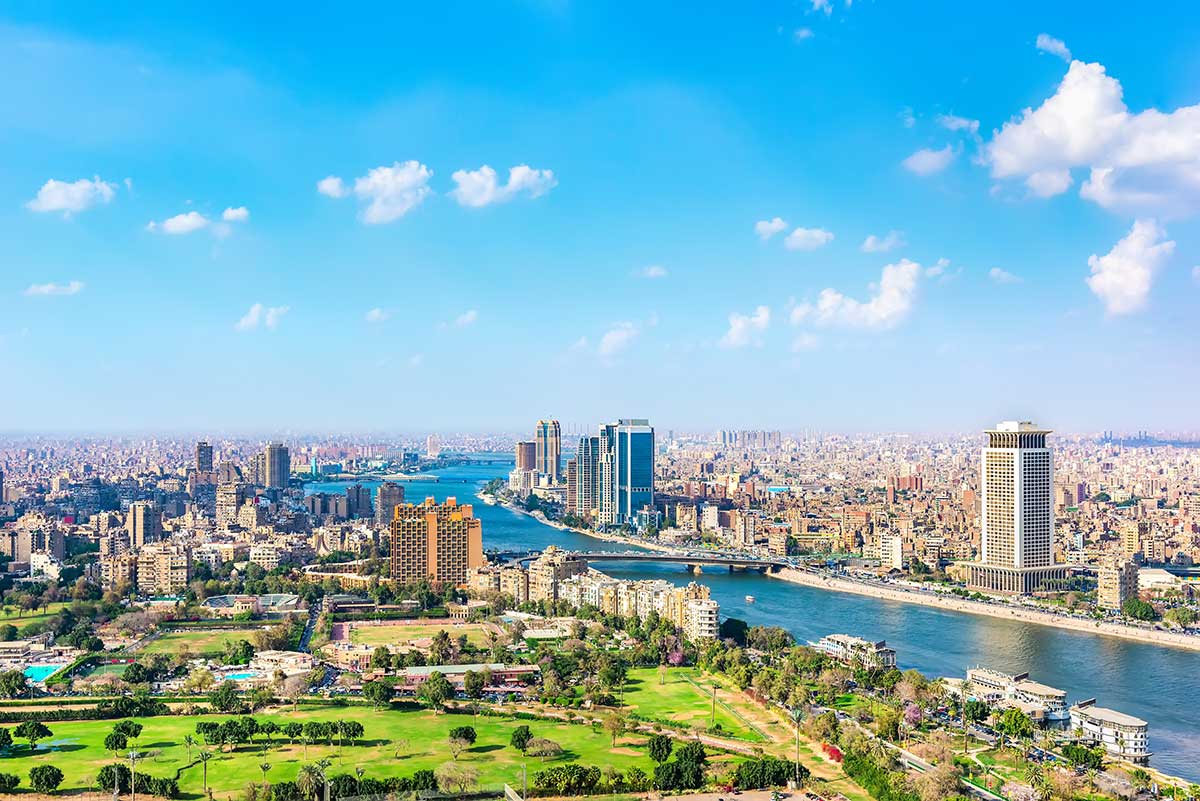
Cairo, then south along the Nile — with the one stretch where the transport can be the hotel.

High-speed rail collapses the distances — the real constraint is sequencing the bookings.
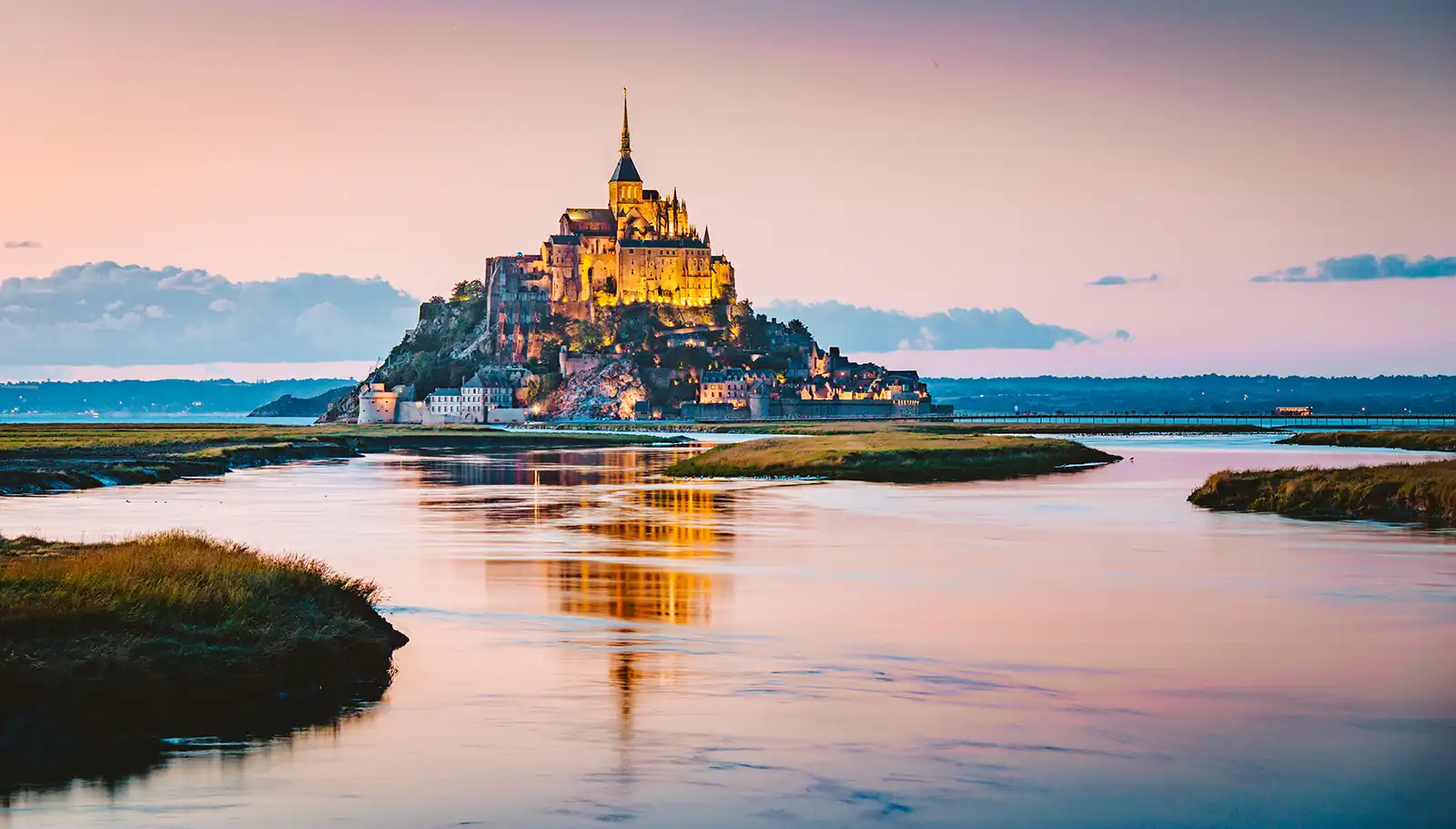 JFL Photography / Adobe Stock
The rail network radiates from the capital — the trip that works follows its shape.
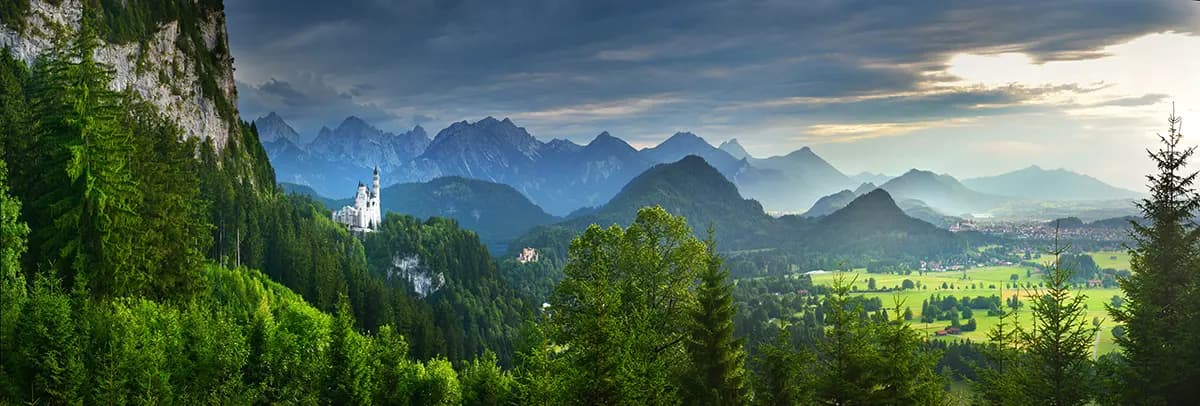 denis_333 / Adobe Stock
No dominant capital to hub from — a corridor of four full-stop cities strung by ICE rail.
 Yz Wu / Adobe Stock
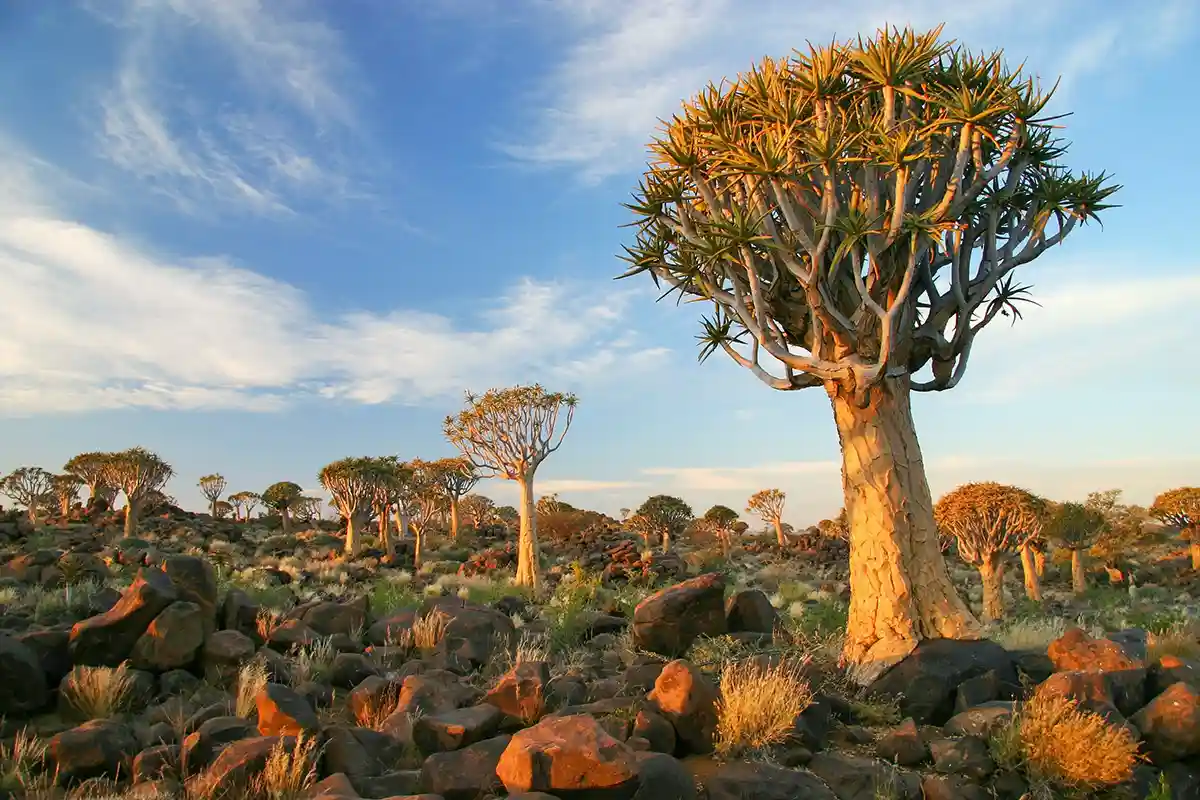
Dunes, coast, desert elephants and Etosha — shaped by camp bookings that open a year out.
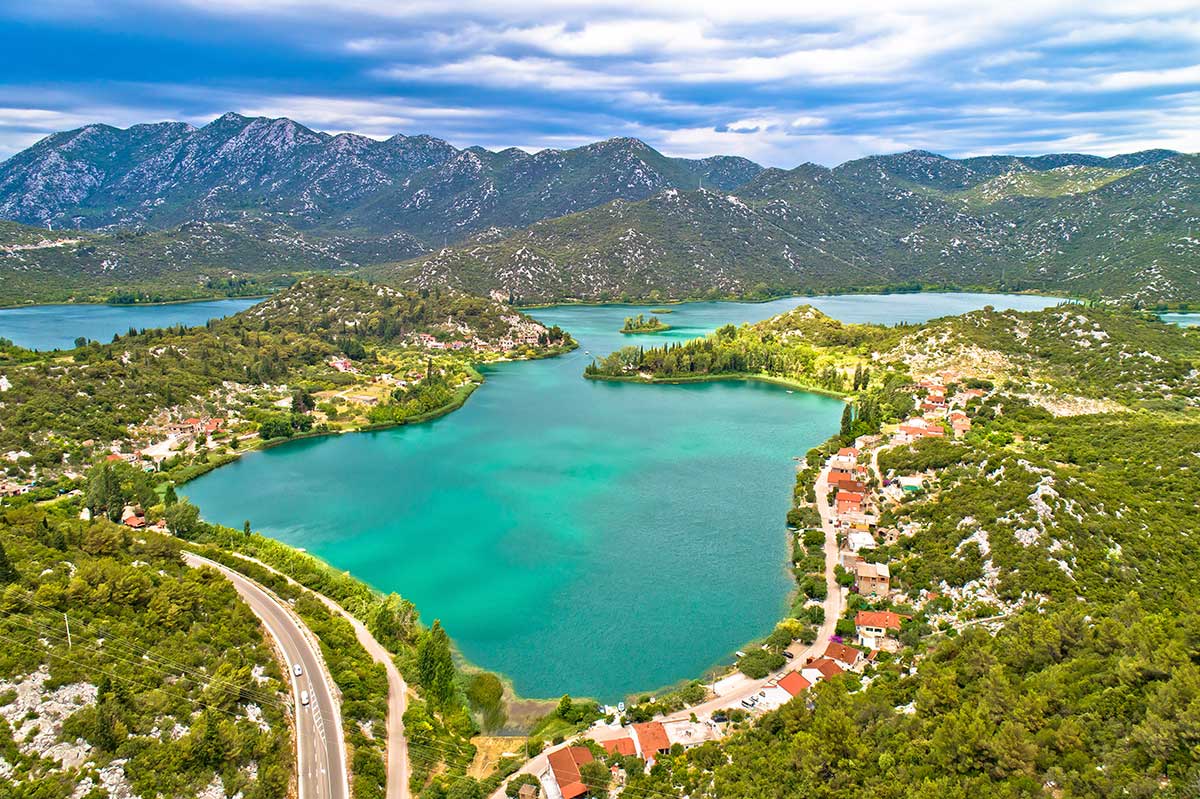
A single coastal highway, islands reachable only at specific points — pick branches deliberately.
Four coherent trips live inside one continent — and honest arithmetic says you can have two.
What to order, where locals actually queue, and the dishes worth a detour of their own.
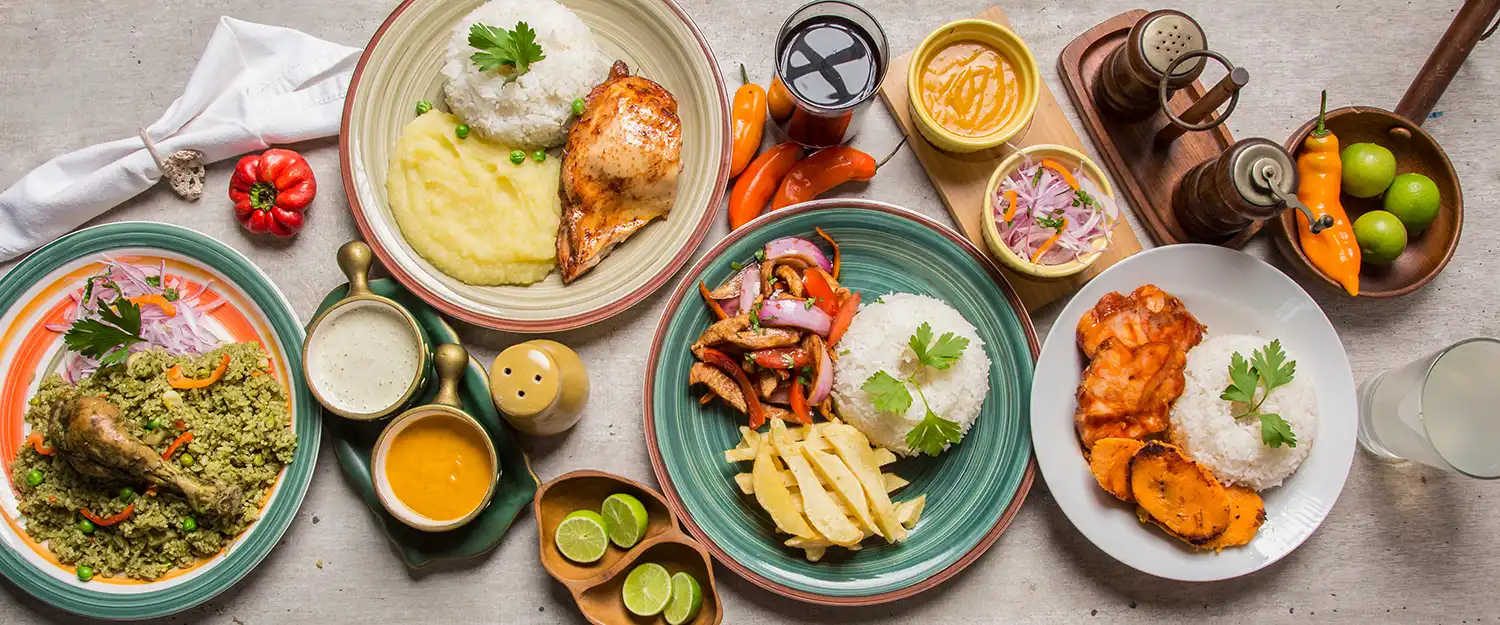 natrocfort / Adobe Stock
Lima runs one of the world's great food scenes — and the highlands cook something older.
A dozen distinct cuisines wearing one passport.
The taco is a filing system — every region files differently.
Eat by region, not by menu — the country insists on it.
Ful, koshari and the 3 AM cart.
Money and moving around — the two questions every trip asks sooner or later.
Start from the purpose — tourism, study, work or business — and the paperwork sorts itself.
Start with the destination, then layer in the visa pathway, money preparation and on-the-ground tools — before you book anything that's hard to undo.
Student visa pathways, language-school directories and the language tools you need before the first semester.
Work visas, the missions that issue them, and the practical stack for the move itself.
Business visas, diplomatic missions and travel tools for finance, tech, manufacturing and trade-show travel — from Davos to Shanghai.
Visas happen at official institutions — an embassy, a consulate, an authorized visa center or the destination's own online system. Editorial reading tells you whether the trip is worth it and how the process really behaves; the official channel is where a passport, a fee and a decision actually change hands. Every country guide names the real door for its destination — and anyone promising a way around that door is selling fraud.
One city, a long weekend — guides sized to match the length of the trip.
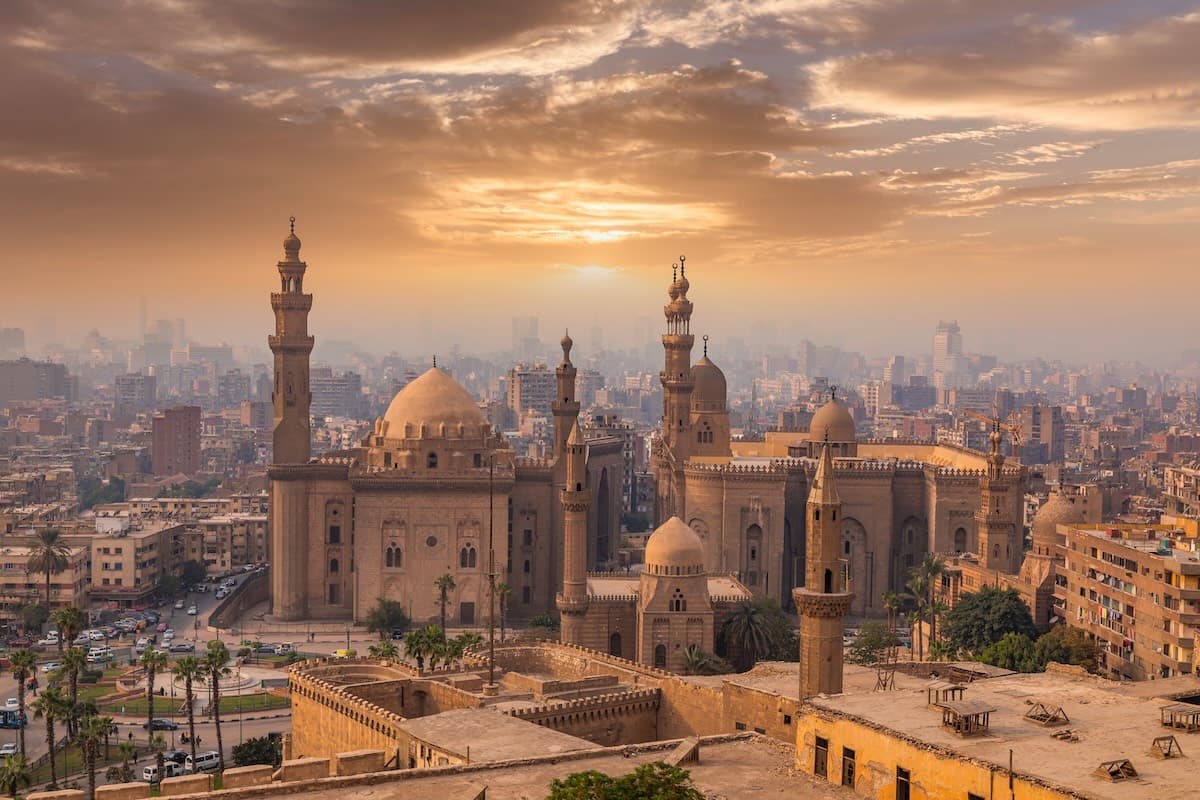 Cairo
CairoA megacity with the ancient world on its doorstep.
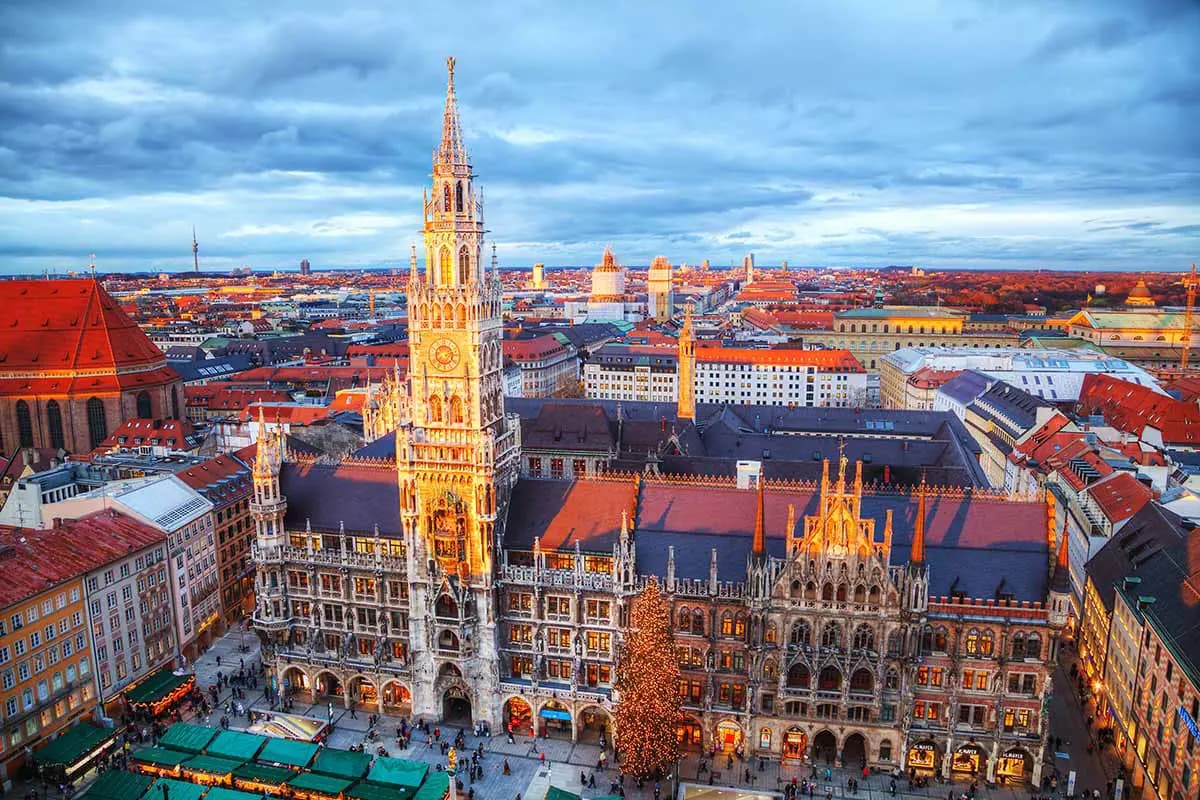
 Munich
Beer halls, art museums and the Alps an hour away.
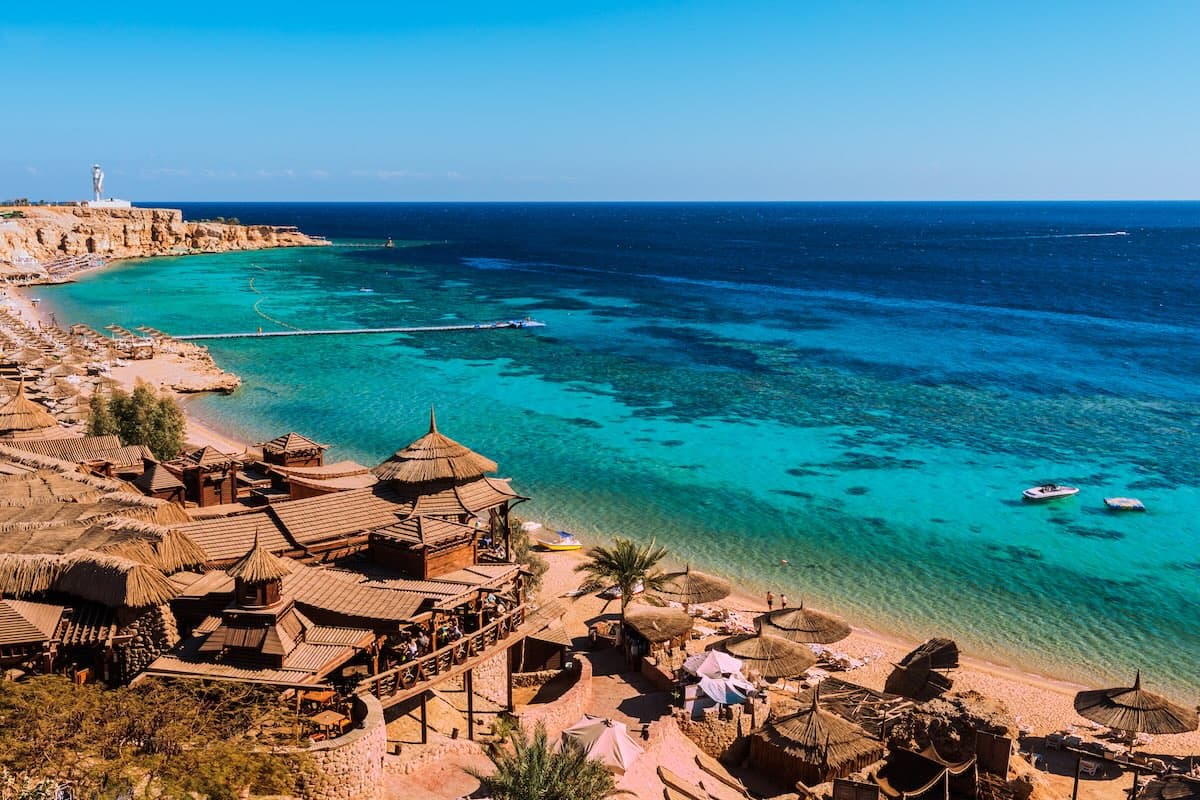 Sharm El-Sheikh
Red Sea reefs straight off the beach.
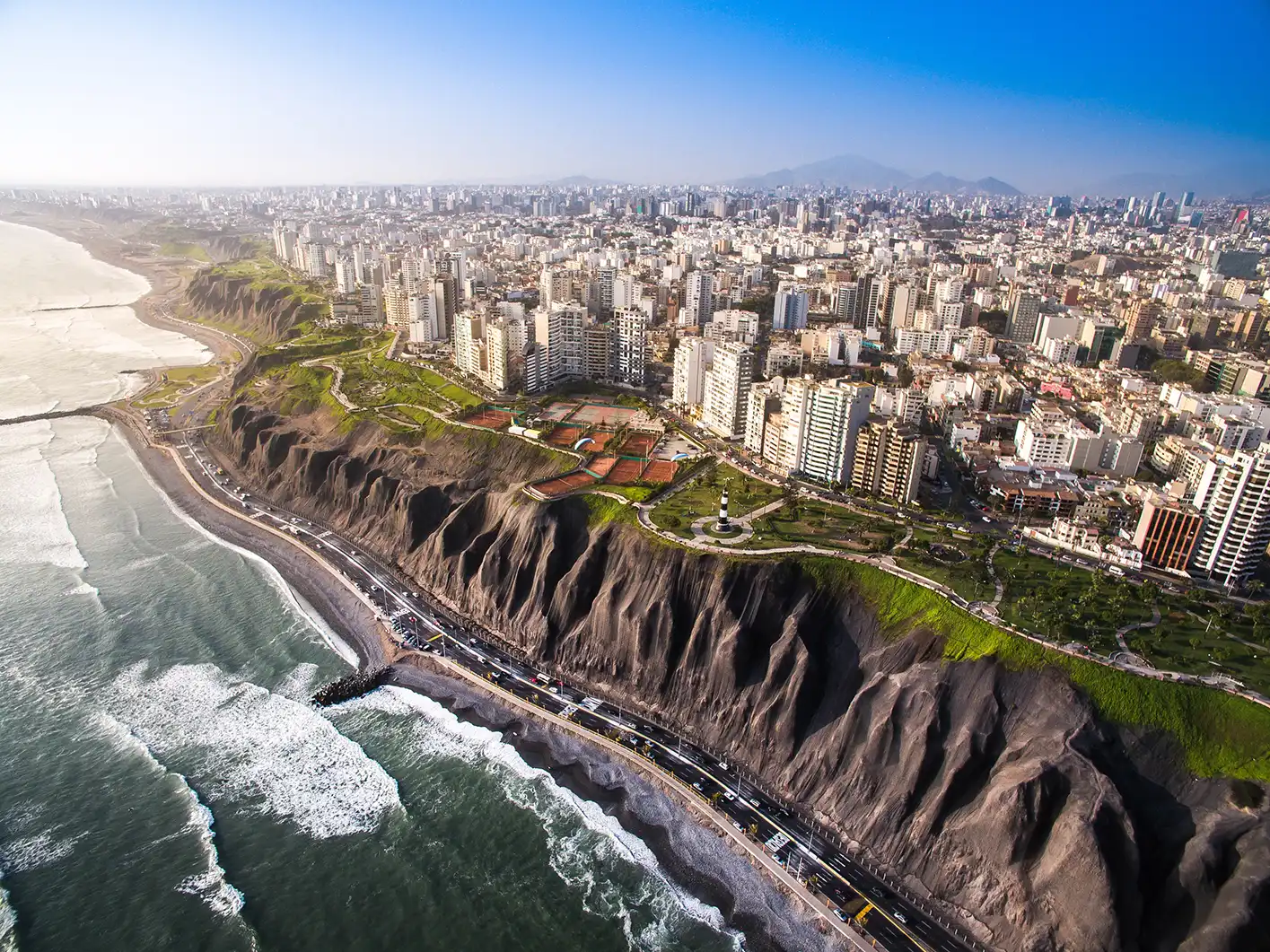 Lima
LimaThe Pacific capital that eats better than almost anywhere.
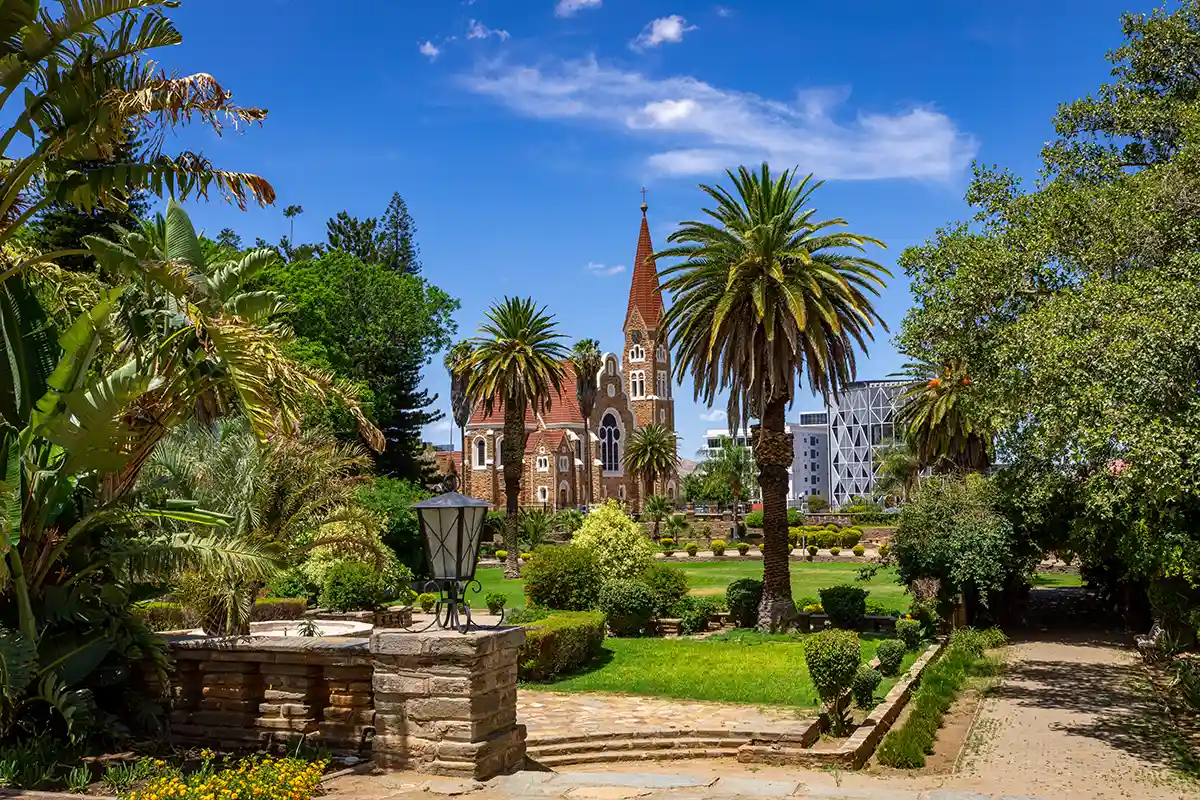 Windhoek
The calm launchpad for the world's emptiest roads.
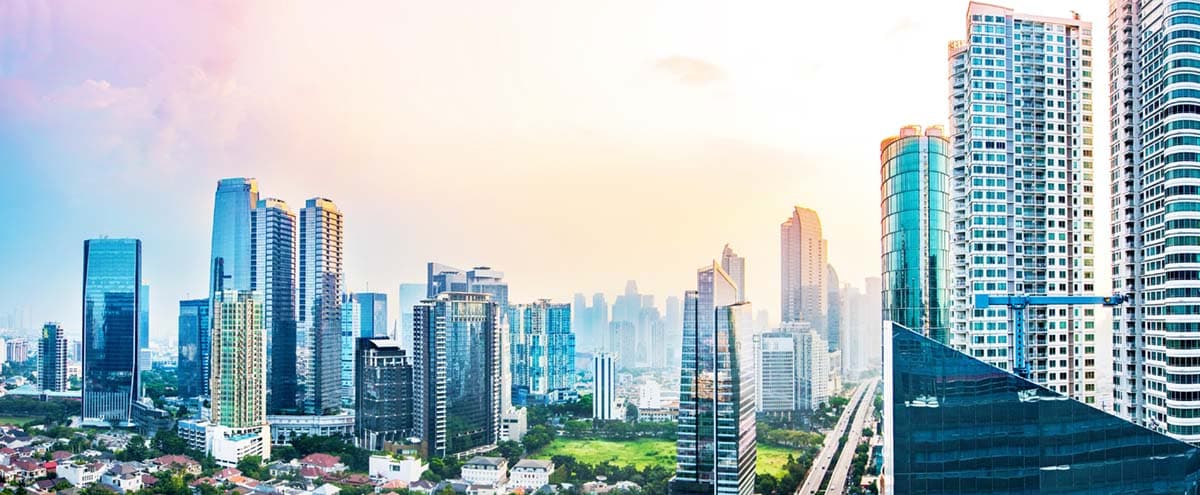 Jakarta
The archipelago's engine room — dense, fast and generous.
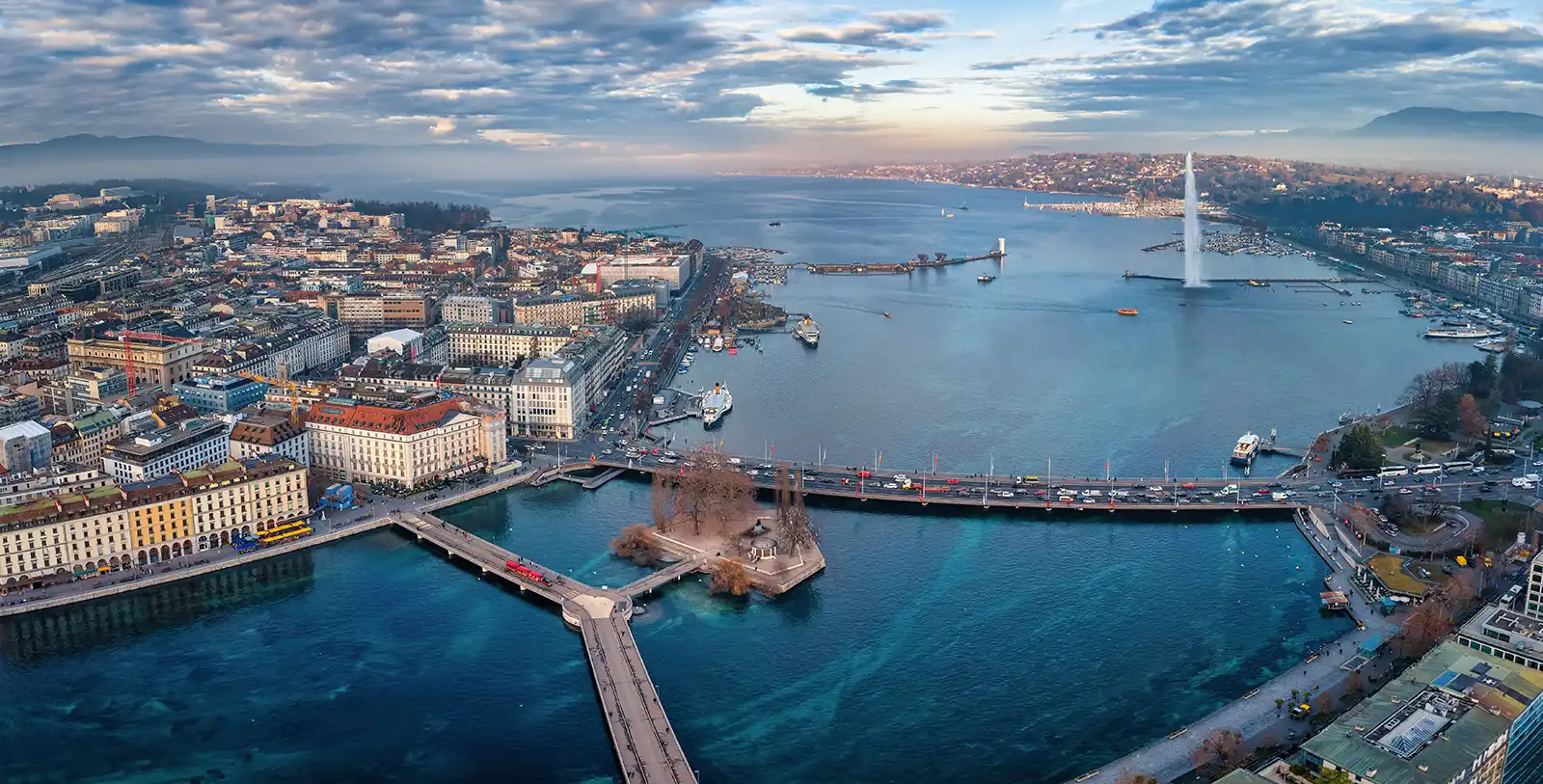 Geneva
A lakeside city that runs half the world's diplomacy.
RomeTwenty-eight centuries of city, still open for dinner.
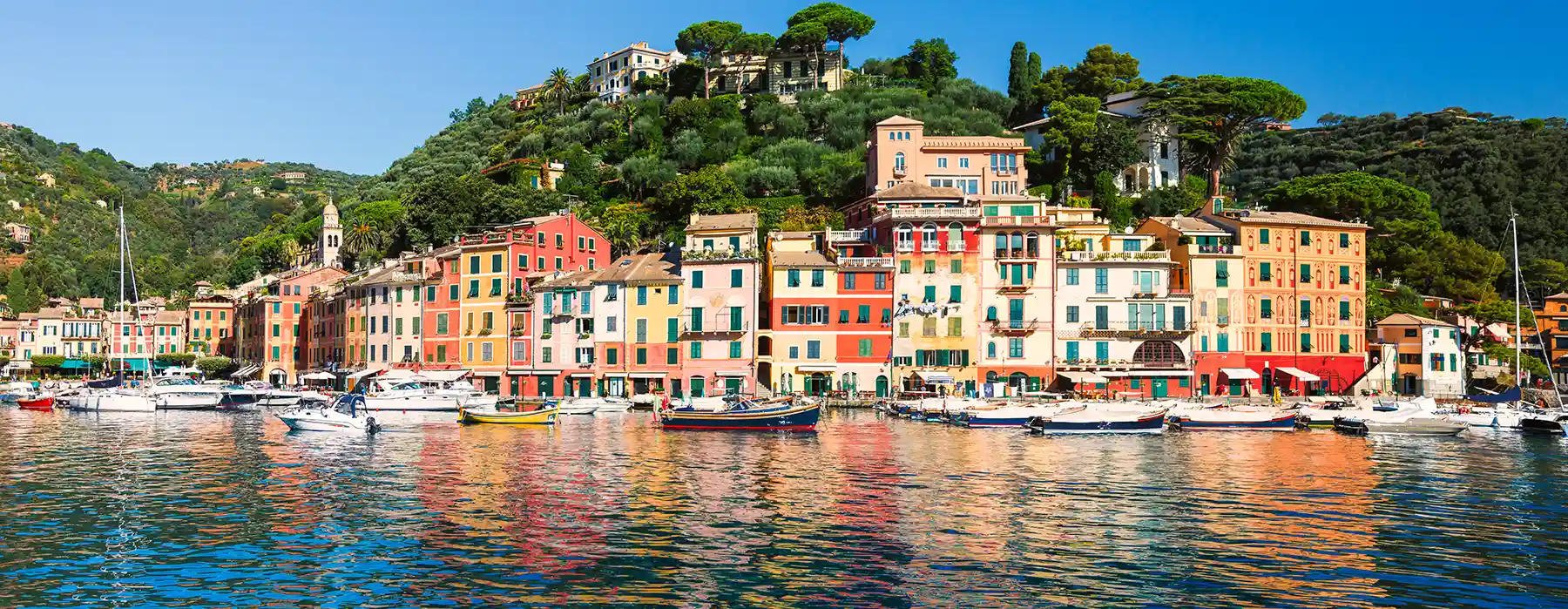 Genoa
GenoaThe port that opens the Riviera — Portofino is next door.
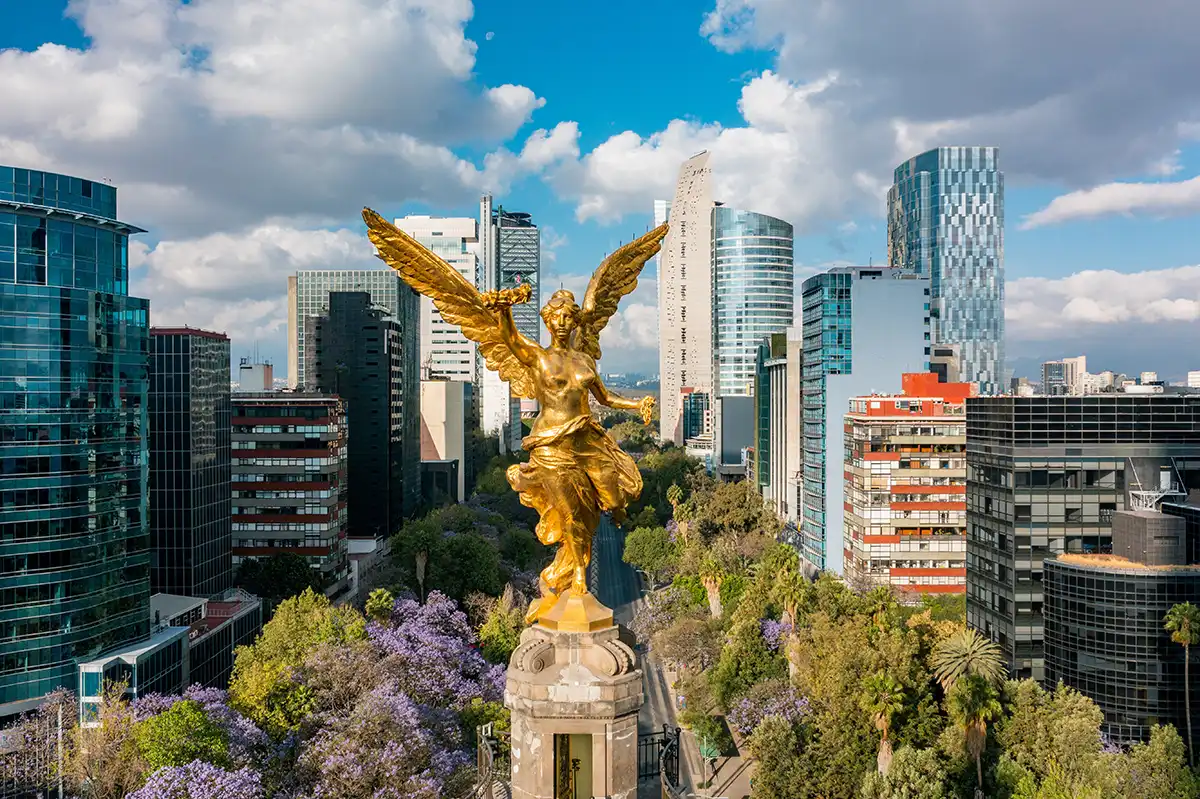 Mexico City
A high-altitude capital layered like its own museum.
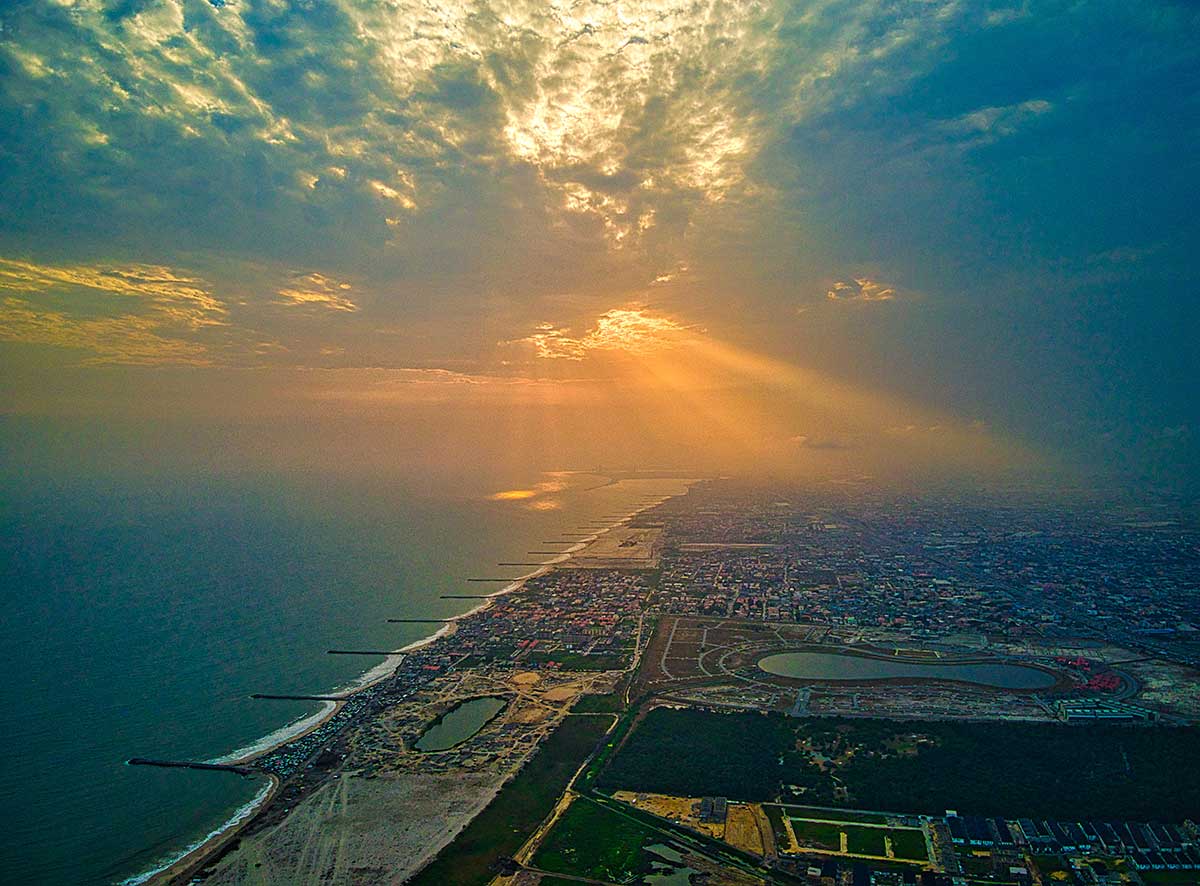
 Lagos
LagosWest Africa's cultural heavyweight — music, film and hustle.
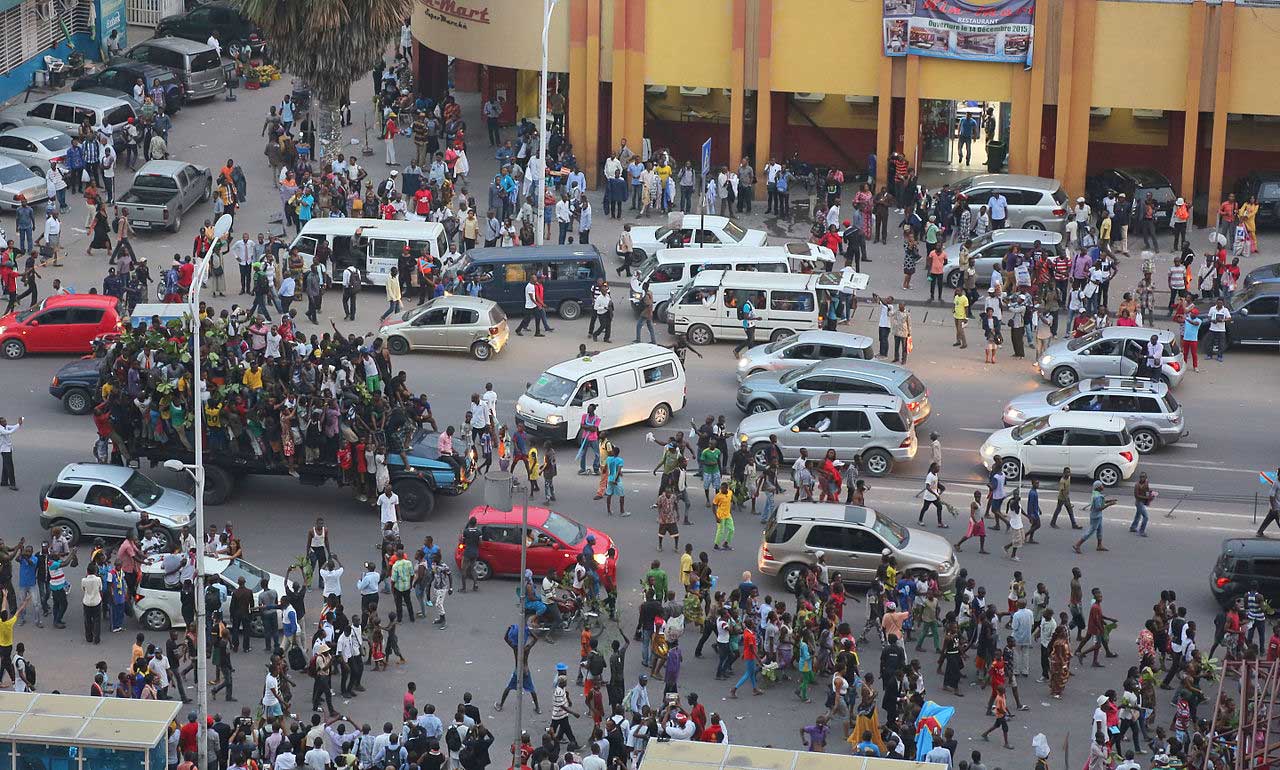
 Kinshasa
The Congo River capital where rumba was born.

 Asunción
South America's quiet capital, on its own unhurried clock.
Visa rule changes as they land, and stories from the editorial desk.
Who fills it in, the seven exemptions, the official form and the guided option, and the fake sites to avoid — the China Arrival Card step by step.
Three routes into Egypt — e-Visa, visa on arrival or an embassy visa — the Nile as an itinerary and the new Grand Egyptian Museum, from the editorial desk.
Embassies for when things get formal; cultural institutes for when you want the language before the trip.
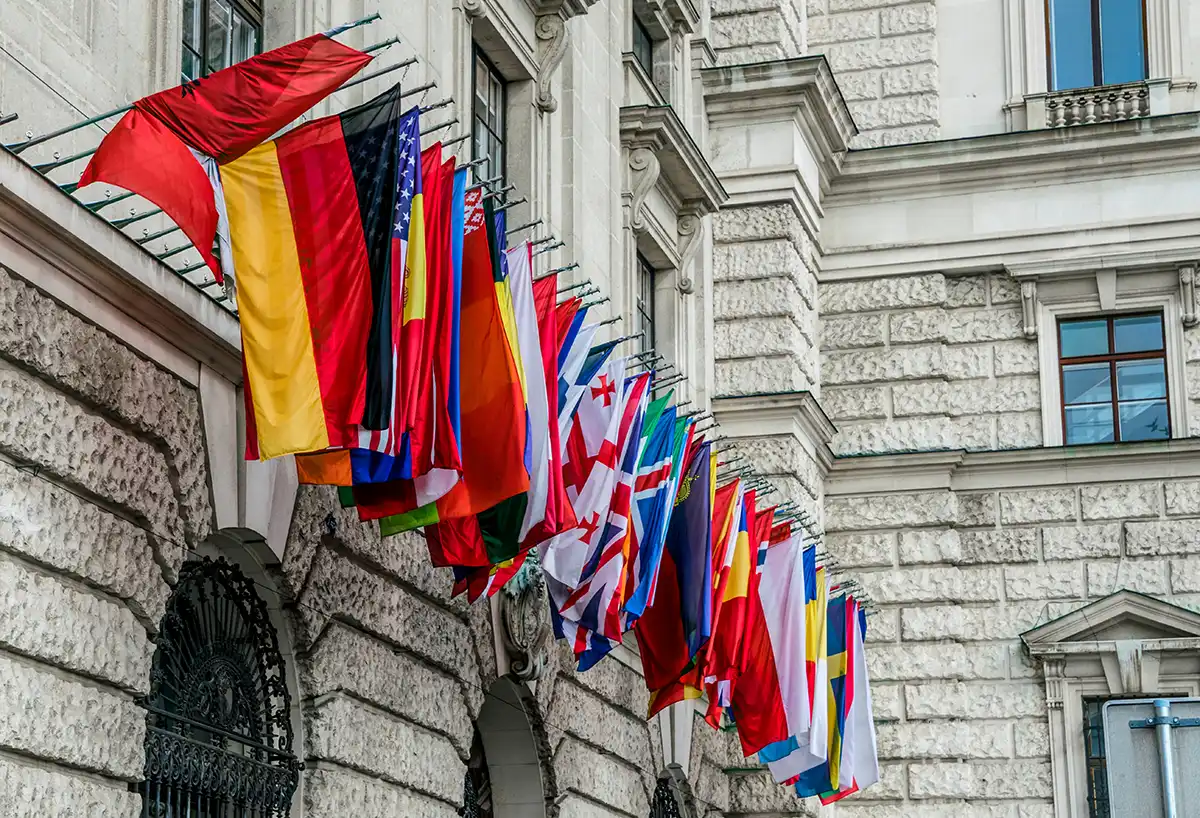
The institutions where visas are filed, passports are replaced and emergencies get a phone number — know which kind does what before you need one.
 Pickoloh / Adobe Stock
From an A1 evening class to a curated city walk — the institutes that sit between tourism and living abroad.
Guides angled at your passport — requirements, embassies at home, and the routes people actually fly.
Start with the guide, finish with the visa — the whole read is laid out destination by destination.
 United Kingdom
 Canada
 Ireland
 New Zealand