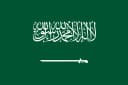
Saudi Arabia

🇸🇦

Phone Code

+966

Capital

Riyadh

Population

36 Million

Native Name

المملكة العربية السعودية

Region

Asia

Western Asia

Timezone

Arabia Standard Time

UTC+03:00

Saudi Arabia is the largest country in the Middle East, covering approximately 2.15 million km² across the Arabian Peninsula. Riyadh serves as the capital and largest city (population 7+ million). Total population is approximately 36 million. Saudi Arabia is an absolute monarchy ruled by the House of Saud, with Islam as the state religion and Sharia law forming the basis of governance. The country is the birthplace of Islam and home to its two holiest cities - Mecca (birthplace of Prophet Muhammad and site of the Kaaba, toward which Muslims worldwide pray) and Medina (where Muhammad established the first Islamic community). These cities are strictly off-limits to non-Muslims. Saudi Arabia's economy is heavily dependent on oil (world's largest oil exporter), though economic diversification efforts are underway through Vision 2030 initiative. In September 2019, Saudi Arabia opened to international tourism for the first time in modern history, launching e-visa system for citizens of 49+ countries - a transformative shift after decades of restricting entry mainly to religious pilgrims (Hajj and Umrah), business visitors, and expatriate workers. Vision 2030, spearheaded by Crown Prince Mohammed bin Salman, aims to diversify the economy, develop tourism, and modernize society. Recent reforms include allowing women to drive (2018), reopening cinemas (2018), reducing religious police powers, permitting music concerts and entertainment, and easing some gender segregation rules. Despite reforms, Saudi Arabia remains deeply conservative Islamic society with strict laws governing behavior, dress, gender interaction, and religious practice. Tourism attractions include AlUla archaeological site (ancient Nabatean tombs similar to Petra), Red Sea coral reefs and diving, Empty Quarter desert (Rub' al Khali - largest sand desert in world), Diriyah historical capital, Jeddah historic district (UNESCO World Heritage Site), Edge of the World geological formation, and modern developments like Riyadh's Kingdom Centre and planned mega-projects (NEOM, Red Sea Project, Qiddiya entertainment city). Government travel advisories from UK, US, Canada, Australia, Germany, and other Western countries note security risks including terrorism threats, regional conflicts affecting border areas, strict legal system with severe punishments, and restrictions on LGBTQ+ individuals and certain religious practices.

Visa Requirements for Saudi Arabia

Saudi Arabia introduced tourist e-visa system in September 2019, allowing citizens of 49+ countries (including US, UK, most EU countries, Canada, Australia, Japan, South Korea, China, Malaysia, Singapore, and others) to apply for tourist visas online. E-visa application at https://visa.visitsaudi.com/ requires passport scan (valid 6+ months), passport photo, payment by credit card; cost $135 USD (includes visa fee and mandatory health insurance); processing typically 5-10 minutes to 24 hours (most approved quickly); e-visa is multiple-entry valid for 1 year from issue date, allowing stays of up to 90 days per entry (maximum 90 days in any 180-day period). Visa on arrival also available for eligible nationalities at international airports ($135, same requirements). E-visa holders can enter through any international airport or land border (not valid for religious pilgrimage to Mecca/Medina - separate Hajj/Umrah visas required, obtained through licensed tour operators). Extensions possible through Enjaz online portal or Jawazat offices (limited, discretionary). Israeli passport holders are not eligible for Saudi tourist visas; those with Israeli stamps/visas in passports may face scrutiny or denial. Women traveling alone are now permitted (major policy shift from previous requirement for male guardian - mahram). Alcohol is completely prohibited in Saudi Arabia (illegal to import, possess, or consume - severe punishments including imprisonment and flogging for violations). Dress code: women must wear abaya (black robe) in public - this requirement has been relaxed recently (modest loose-fitting clothing covering arms and legs now acceptable in major cities, though abaya still recommended in conservative areas and expected in religious sites); men must wear long pants and shirts (no shorts in public). Photography of government buildings, military installations, airports, and women without permission is prohibited. LGBTQ+ travelers should be aware that homosexuality is illegal in Saudi Arabia with severe punishments. English widely spoken in major cities and tourist areas. Arabic is official language.

Common Visa Types

E-Visa (Tourist - 90 Days)

90 days per entry (maximum 90 days in any 180-day period); multiple-entry visa valid for 1 year from issue date; application at https://visa.visitsaudi.com/ (official Saudi tourism e-visa portal); required documents: passport scan (valid 6+ months beyond entry), passport-style photo (digital), email address, payment method (Visa/Mastercard); visa fee $135 USD (includes mandatory health insurance covering emergency medical treatment during stay in Saudi Arabia); processing time typically 5-10 minutes to 24 hours (most applications approved very quickly - apply at least 48 hours before travel as precaution); approved e-visa sent via email (print and present at immigration with passport); valid for entry through any Saudi international airport or designated land borders; NOT valid for religious pilgrimage (Hajj/Umrah require separate visas obtained through licensed tour operators); extensions limited and discretionary (apply through Enjaz online platform or Jawazat immigration offices - not guaranteed, requires justification, additional fees); eligible nationalities include US, UK, Canada, Australia, Japan, South Korea, Singapore, Malaysia, most EU countries, and others (full list on visa portal - approximately 49 countries initially, expanded subsequently). Women can apply independently without male guardian sponsorship (major reform). E-visa does not permit work, study, or business activities (separate visas required for these purposes).

For tourism for citizens of 49+ eligible countries, introduced September 2019 as part of Vision 2030 tourism opening.

Visa on Arrival (Tourist)

90 days per entry, multiple-entry valid 1 year; available at international airports (King Khalid International Riyadh, King Abdulaziz International Jeddah, King Fahd International Dammam, others); same requirements as e-visa: passport valid 6+ months, passport photo, payment of $135 USD (credit card accepted at airport immigration counters); processing at arrival 15-45 minutes depending on queue; visa-on-arrival convenient but e-visa recommended to avoid potential delays or issues at airport. Visa on arrival not available at all entry points (mainly international airports - not all land borders offer visa on arrival; verify before travel if arriving overland). Same conditions apply as e-visa (no religious pilgrimage, no work/study, must comply with Saudi laws and customs).

For eligible nationalities arriving at Saudi international airports without pre-arranged e-visa (same countries as e-visa eligibility).

Religious Visas (Hajj and Umrah)

Hajj visa: valid for specific Hajj period only (typically 1-2 weeks during Dhul-Hijjah, 12th month of Islamic calendar - dates vary yearly based on lunar calendar); application through authorized Hajj tour operators in home country (individual applications not accepted - must book package with licensed operator including accommodation, transport, guidance); quota system limits number of pilgrims per country; cost varies ($3,000-10,000+ depending on package level - accommodation proximity to Holy Mosque in Mecca determines price). Umrah visa: valid for 30 days (extendable to 90 days), available year-round except during Hajj period; application through licensed Umrah travel agencies (package required including flights, accommodation, transport between Mecca and Medina, guided services); cost $1,500-5,000+ depending on package. Both Hajj and Umrah visas restrict holder to Mecca, Medina, and Jeddah only (not valid for tourism elsewhere in Saudi Arabia - separate tourist visa required for visiting other cities). Proof of Muslim faith required (certification letter from mosque in home country). Women under 45 must travel with male guardian (mahram - husband, father, brother, son over 17) for Hajj/Umrah (tourist visa rules relaxed this requirement, but religious visa maintains it). Vaccination requirements: meningitis (ACWY), polio, and seasonal flu vaccines mandatory; additional vaccines recommended (hepatitis, typhoid). Hajj is one of the Five Pillars of Islam and obligatory once in lifetime for Muslims who are physically and financially able. Over 2 million Muslims perform Hajj annually. Religious visas are separate from tourism system and managed by Ministry of Hajj and Umrah.

For Muslims performing Hajj (annual pilgrimage during Dhul-Hijjah month) or Umrah (lesser pilgrimage, year-round) to Mecca and Medina. NOT available to non-Muslims.

Work Visas and Residence

Work/residence visa (Iqama): required for all employment; sponsored by Saudi employer (kafala system - employer holds significant control over employee including ability to work, change jobs, and exit country; reforms have eased some restrictions but sponsorship system remains); application process: Saudi employer obtains work visa authorization from Ministry of Human Resources and Social Development, approved visa number sent to employee abroad, employee applies for visa at Saudi embassy/consulate with passport, visa authorization number, medical examination results (HIV, hepatitis, tuberculosis tests - HIV-positive individuals denied entry), education certificates attested, employment contract, photos; visa issued for entry; upon arrival, employee undergoes further medical examination and fingerprinting, then receives Iqama residence permit (typically 1-2 years validity, renewable as long as employment continues); Iqama required for all aspects of life (banking, renting accommodation, driving license). Exit/re-entry visa required to leave and return to Saudi Arabia while employed (employer permission necessary - reforms introduced in 2021 allowing some categories of workers to travel without employer permission, but system still restrictive). Work visa categories: professional workers, skilled labor, domestic workers (different rules and protections for each category). Salaries often tax-free (Saudi Arabia has no personal income tax, though recent VAT introduced). Many expatriates work in oil industry, healthcare, education, construction, domestic service. Family members can be sponsored (dependent visa - requires minimum salary threshold, accommodation proof). Female expatriates employed in Saudi Arabia now have more freedom than in past but still face restrictions. Changing jobs within Saudi Arabia requires employer release or paying release fees. Work visa process is employer-driven and complex - professional guidance recommended.

For foreigners employed in Saudi Arabia (approximately 10 million expatriate workers in Saudi Arabia - significant portion of population).

Business Visa

Typically 30-90 days single or multiple entry; requires Saudi company or business partner to send invitation letter (including details of visit purpose, company registration, Saudi Chamber of Commerce certification); application through Saudi embassy/consulate with passport (valid 6+ months), visa application form, invitation letter, passport photos, business documents (company registration, letter from employer explaining visit purpose), travel itinerary, hotel reservations, visa fee (varies by nationality and duration - typically $80-200); processing 3-7 business days. Business visa allows meetings, site visits, contract negotiations, attending conferences, but not paid work (no salary from Saudi source permitted - employment requires work visa). Business visas are commonly used by executives, technicians, consultants for project work. Saudi business culture: meetings often start with tea/coffee and small talk before business; punctuality expectations vary (locals may arrive late, but foreign visitors expected to be punctual); gender segregation in workplaces common (though easing in some sectors); business dress conservative (men: suit and tie; women: loose professional clothing covering arms and legs, modest); Friday is weekly holiday (Islamic holy day - businesses closed); business meetings avoid prayer times (five daily prayers - business pauses briefly for prayers). Business visa does not allow residence - holder must exit Saudi Arabia upon visa expiry or convert to work visa if employment offered.

For short-term business activities, meetings, conferences, trade shows, and commercial negotiations in Saudi Arabia.

Important Travel Information

Legal and Cultural Requirements - Strict Islamic Law: Saudi Arabia is governed by Sharia (Islamic law) with strict regulations and severe punishments for violations. Key laws and customs tourists must understand: Alcohol is completely illegal (no import, possession, or consumption - violations result in imprisonment, fines, flogging, and deportation; do not attempt to bring alcohol into Saudi Arabia under any circumstances). Drugs carry extremely severe punishments including death penalty for trafficking. Dress code: women must dress modestly in loose-fitting clothing covering arms to wrists and legs to ankles (abaya - black robe - was previously mandatory but recently relaxed in major cities; still recommended and expected in conservative areas and religious sites; headscarves not legally required for non-Muslim women but respectful in some contexts); men must wear long pants and shirts (no shorts, tank tops, or sleeveless shirts in public). Photography restrictions: do not photograph government buildings, military sites, airports, palaces, or women without explicit permission (violations can result in detention). Gender segregation: many restaurants and cafes have family sections (for families and women) and singles sections (for men only) - foreign tourists generally allowed in family sections; some facilities remain fully gender-segregated. Public displays of affection between unmarried couples are illegal (including holding hands - violations can result in arrest). Cohabitation of unmarried couples was previously illegal; recent reforms (2020) allow unmarried foreign couples to share hotel rooms (major change - but public displays of affection still prohibited). LGBTQ+ travelers face severe risks: homosexuality is illegal with punishments including imprisonment, flogging, and death penalty; LGBTQ+ individuals should exercise extreme caution. Proselytizing (promoting non-Islamic religions) is illegal; non-Muslim religious practice must be private (no churches, temples, or public worship for non-Muslims; bringing religious materials like Bibles can be confiscated). Criticism of Islam, Saudi government, or royal family is illegal and can result in severe punishment. Blasphemy laws are strict. Ramadan observance: during Islamic holy month of Ramadan (dates vary yearly - lunar calendar), eating, drinking, smoking in public during daylight hours is prohibited even for non-Muslims (violation results in fines, detention); restaurants closed during day, open after sunset; some flexibility for tourists in hotels. Respect customs and laws - Saudi Arabia is not destination for those unwilling to comply with strict Islamic social norms. Tourism is new concept; infrastructure and attitudes toward foreign tourists still developing.

AlUla and Hegra - UNESCO Archaeological Wonder: AlUla, located in northwestern Saudi Arabia (Medina Province), is the country's premier archaeological and heritage destination, opened to tourists in 2019 after decades of restricted access. The AlUla region encompasses 22,000 km² of desert landscapes, ancient trade routes, and archaeological sites spanning 7,000 years of human history. Hegra (also called Madain Saleh) is AlUla's crown jewel - Saudi Arabia's first UNESCO World Heritage Site (inscribed 2008), featuring over 100 remarkably preserved tombs carved into sandstone cliffs by the Nabateans (same civilization that built Petra in Jordan) around 1st century AD. Hegra was the Nabatean Kingdom's second-largest city after Petra. The tombs feature intricate facades with columns, pediments, and inscriptions in Nabatean Aramaic. Qasr Al-Farid (The Lonely Castle) is the most iconic tomb - 22m-high monument standing alone in the desert, unfinished (you can see carving marks), perfectly preserved, absolutely stunning. Other AlUla highlights: Old Town AlUla (historic mudbrick settlement abandoned in 1980s, under restoration - maze of narrow streets and buildings dating to 12th century AD), Jabal Ikmah (open-air library with hundreds of ancient inscriptions in multiple languages), Dadan (ancient kingdom capital with rock-cut tombs 3,000+ years old), Elephant Rock (natural rock formation resembling elephant, popular sunset spot), AlUla Oasis (date palm groves and farms), and dramatic desert scenery (red sandstone formations, canyons, mesas). Visiting AlUla: fly to AlUla Airport (recently opened, direct flights from Riyadh, Jeddah, Dubai) or drive from Medina (300km, 3-4 hours); accommodation includes luxury resorts (Habitas AlUla, Banyan Tree - $400-800/night glamping and eco-lodges) and mid-range hotels ($100-250/night); entry to Hegra requires advance ticket purchase online (Winter at Tantora festival season December-March offers cultural events, concerts, performances - AlUla has hosted global artists like Andrea Bocelli as part of Saudi Vision 2030 cultural push); tickets approximately $35-50 per person; guided tours available ($80-150 including transport and guide); rent 4WD vehicle for exploring multiple sites; best time to visit October-March (pleasant weather 15-25°C, desert heat July-August reaches 40-45°C/104-113°F, uncomfortable for touring). AlUla represents Saudi Arabia's commitment to cultural tourism and heritage preservation - massive investment in infrastructure, conservation, and tourism development ongoing. AlUla is Saudi Arabia's answer to Petra and must-see for archaeology and history enthusiasts.

Mecca and Medina - Islamic Holy Cities Closed to Non-Muslims: Mecca (Makkah) and Medina (Madinah) are Islam's two holiest cities, located in western Saudi Arabia. Mecca is birthplace of Prophet Muhammad and home to the Kaaba (black cube-shaped building in the center of Masjid al-Haram - Grand Mosque - toward which Muslims worldwide face during prayers five times daily). The Kaaba is Islam's holiest site. Medina houses the Prophet's Mosque (Masjid an-Nabawi) containing Muhammad's tomb, making it the second-holiest site in Islam. Both cities are strictly off-limits to non-Muslims - entry is prohibited by law and enforced through checkpoints on roads leading to the cities (all travelers must show proof of Muslim faith - Hajj/Umrah visa or Muslim certificate; non-Muslims caught entering face arrest, imprisonment, and deportation). This prohibition is absolute and non-negotiable - non-Muslim tourists cannot visit Mecca or Medina under any circumstances (even driving through is prohibited - separate highways bypass the cities for non-Muslims). The exclusion is rooted in Quranic verses and centuries of Islamic tradition. Millions of Muslims perform Hajj (annual pilgrimage during Dhul-Hijjah month, one of Five Pillars of Islam) and Umrah (lesser pilgrimage, year-round) to these cities annually. Hajj involves specific rituals: circumambulation of Kaaba (Tawaf - walking counterclockwise seven times), walking between hills of Safa and Marwa (Sa'ee), standing at Mount Arafat (most important ritual), casting stones at pillars representing Satan in Mina, and other rites over 5-6 days. Accommodation during Hajj is extremely crowded and expensive (hotels near Grand Mosque charge $500-5,000+ per night during Hajj). Saudi authorities have invested billions in expanding Grand Mosque capacity (now accommodates 2+ million worshippers) and infrastructure to manage pilgrim flows. Non-Muslim tourists in Saudi Arabia cannot experience Mecca or Medina, but Jeddah (80km from Mecca) serves as gateway city and offers its own attractions including UNESCO-listed historic Al-Balad district, Corniche waterfront, King Fahd Fountain (tallest fountain in world), and seafood restaurants. Tourist visas explicitly prohibit travel to Mecca and Medina. Respect this restriction - attempting to enter can have serious legal consequences.

Cities with missions

Where this country maintains embassies or consulates

States & Regions in Saudi Arabia

Explore different regions and their cities.

Hosted missions

Embassies in Saudi Arabia

These foreign embassies and consulates are based here. Choose a mission to open its in-depth guide and contact details.

All countries by continent

Planning your Saudi Arabia visit?

Check visa requirements