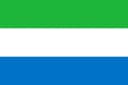
Sierra Leone
Phone Code
+232
Capital
Freetown
Population
8.5 Million
Native Name
Sierra Leone
Region
Africa
Western Africa
Timezone
Greenwich Mean Time
UTC±00
On This Page
Sierra Leone is a West African country on the Atlantic coast, bordered by Guinea and Liberia. Freetown serves as the capital (population 1.2 million). Sierra Leone has a population of approximately 8.5 million and covers 71,740 km². The country gained independence from Britain in 1961 and has held regular democratic elections since 2002. Modern Sierra Leone is English-speaking (legacy of British colonization and settlement by freed slaves), predominantly Muslim (78%) and Christian (21%), with diverse ethnic groups (Temne, Mende, Limba, others). The country is rich in natural resources (diamonds, gold, rutile, bauxite) and tourism is emerging steadily. Highlights include the Freetown Peninsula beaches (Number 2 Beach, Tokeh Beach — pristine white sand and warm Atlantic water), Bunce Island (a major heritage site reachable by boat from Freetown), the Tacugama Chimpanzee Sanctuary (a rescue centre for orphaned chimps and one of West Africa's best wildlife experiences), Outamba-Kilimi National Park (elephants, hippos, chimpanzees), Tiwai Island Wildlife Sanctuary (a primate-rich river island) and a welcoming local culture. Sierra Leone offers an authentic West African experience for adventurous travellers.
Visa Requirements for Sierra Leone
Sierra Leone offers visa on arrival and e-visa options. E-visa available at www.sleva.sl (Sierra Leone Electronic Visa Authorization) for most nationalities; application requires passport scan (valid 6+ months), passport photo, yellow fever vaccination certificate (MANDATORY), return flight ticket, hotel reservation, payment by credit card; cost $80 USD for single-entry 30-day tourist visa, $160 for multiple-entry 90-day visa; processing typically 5-7 business days. Visa on arrival available at Freetown Lungi International Airport for $80-100 cash (USD, euros, or British pounds accepted - bring exact amount as change may not be available); requires same documentation as e-visa. ECOWAS citizens (Economic Community of West African States) can enter visa-free for 90 days. Extensions available through Immigration Department in Freetown. Yellow fever vaccination certificate MANDATORY for entry from all countries. Malaria prophylaxis strongly recommended (malaria endemic). Sierra Leone is generally safe for tourists — violent crime is low, petty theft can occur (watch belongings in markets, avoid displaying valuables); government travel advisories note improving security but standard precautions advised. English is official language (Sierra Leone Krio - English-based creole is widely spoken lingua franca). Sierra Leonean leone (SLL) is currency; USD accepted in tourist areas.
Common Visa Types
E-Visa or Visa on Arrival (Tourist)
For tourism, applied online before travel or obtained on arrival at Freetown airport.
ECOWAS Visa-Free Entry
For citizens of ECOWAS member countries - free movement within West African bloc.
Important Travel Information
- •Recent History and the Peace Museum: Sierra Leone's Peace Museum in Freetown documents the country's modern history and reconciliation process — a useful first stop for visitors who want context on contemporary Sierra Leone. The Kimberley Process certification (introduced in 2003) regulates diamond exports today, and Sierra Leone's diamond and mining sectors operate under that framework. Democratic elections have been held regularly since 2002, and the country has had a peaceful, growing tourism scene since the late 2000s. Diamond mining remains an important industry; artisanal mining areas can be visited with guides but are not a mainstream tourist attraction. The mood across the country today is one of recovery and optimism — visitors are welcomed warmly and the local pride in modern Sierra Leone is unmistakable.
- •Freetown Peninsula Beaches: Freetown sits on peninsula with stunning beaches just 30-60 minutes from city center. Popular beaches include Number 2 Beach (River Number Two Beach - most famous, white sand, palm trees, turquoise water, beach bars and guesthouses, reggae vibe, popular with expats and tourists, weekend scene, accessible by taxi from Freetown $15-25 one-way), Tokeh Beach (35km from Freetown, long stretch of sand, calm water, Daltons Banana Guesthouse popular accommodation, quieter than Number 2), Kent (small fishing village with beach, very local atmosphere), and Hamilton Beach (near city, less pristine but easily accessible). Beaches offer swimming (ocean relatively calm, though some surf), sunbathing, beach volleyball, and seafood at local restaurants (grilled fish, lobster, cassava). Water temperature warm year-round (26-28°C / 79-82°F). Transport: shared taxis (poda-poda) from Freetown to beaches 10,000-20,000 leones ($1-2); private taxi hire $20-40 for day including return; some guesthouses arrange pickups. Best time: dry season November-April (sunny, low rain); May-October wet season brings frequent rain but beaches less crowded. Freetown beaches offer Caribbean-style beauty at fraction of cost, with authentic West African vibe.
- •Bunce Island Heritage Site and Freetown's Founding History: Bunce Island in the Sierra Leone River (30 km upriver from Freetown) is one of West Africa's most significant heritage sites, with British-era fort ruins (1670s-1807) including fortifications, cannons and a colonial cemetery. The Gullah people of South Carolina trace direct ancestral and linguistic connections to Sierra Leone, and Bunce Island is an important pilgrimage site for African diaspora heritage tourism. Access: boat trip from Freetown (organised tours USD 100-150 per person including boat transport, guide and lunch; 2-3 hour journey each way; full-day excursion; seas can be rough). Freetown itself was founded in 1787 as a settlement for freed slaves (Black Loyalists from the American Revolution, later joined by freed slaves from Jamaica and Africans freed by British anti-slavery patrols). The Cotton Tree in central Freetown — a symbolic founding landmark — and the Sierra Leone National Museum complete the heritage circuit. Freetown's Krio community ('Creoles') descends from these settler groups and maintains a distinctive culture and dialect.
- •Tacugama Chimpanzee Sanctuary and Wildlife: Tacugama Chimpanzee Sanctuary on mountainside above Freetown rescues and cares for orphaned and confiscated chimpanzees (parents killed by bushmeat hunters or habitat destruction). The sanctuary houses 100+ chimps in large forest enclosures, providing rehabilitation and permanent home (chimpanzees cannot be returned to wild after human contact). Guided tours (daily 9am, 10am, 11am, 2pm, 4pm; 90 minutes; 200,000 leones / $20 for international visitors) allow visitors to observe chimps from viewing platforms and learn about conservation. Chimpanzees are highly endangered in Sierra Leone. Tacugama combines wildlife experience with conservation education - worthwhile for animal lovers. Getting there: taxi from Freetown 30 minutes, arrange return pickup. Sierra Leone has other wildlife sites: Outamba-Kilimi National Park (northern Sierra Leone near Guinea border - elephants, hippos, chimpanzees, buffalo, leopards; difficult access, 4WD required, guides essential; underdeveloped tourism infrastructure), Tiwai Island Wildlife Sanctuary (southern Sierra Leone on Moa River - river island with 11 primate species including rare pygmy hippos, accessible by boat and canoe from Kenema or Bo, camping/basic lodges available $30-50/night including meals - remote but rewarding for primatologists and adventurous travelers). Sierra Leone's wildlife tourism is emerging but infrastructure limited - expect basic facilities, challenging logistics, and authentic bush experiences.
- •Practical Information and Emerging Tourism: Sierra Leone is budget destination with emerging tourism. Budget: $30-60/day (basic guesthouses $15-35/night, street food $5-15/day, local transport). Mid-range: $80-150/day (hotels $40-80/night, restaurants $20-40/day, private taxis). Upscale: $200+/day (nice hotels $100-250/night in Freetown, all meals and activities). Accommodation: Freetown has hotels and guesthouses ($20-150/night range); beach areas have small guesthouses ($25-70). Dining: street food (rice with sauce, cassava leaves, groundnut stew) $2-8/meal; local restaurants $10-25; expat restaurants in Freetown $25-50. Beer 8,000-15,000 leones ($0.80-1.50). Transportation: shared taxis (poda-poda minibuses) cheap (2,000-10,000 leones / $0.20-1 for typical trips) but crowded and chaotic; private taxis expensive relative to local costs (negotiate - Freetown to beaches $20-40, airport to city $40-60); motorcycle taxis (okada) cheap but dangerous (accidents common - not recommended); domestic flights minimal. Sierra Leonean leone (SLL): approximately 1 USD = 10,000-12,000 SLL (rates fluctuate). ATMs in Freetown (limited cash availability); USD cash useful (change to leones at banks or forex bureaus). Credit cards rarely accepted. Internet available in Freetown (hotels, cafes, mobile data); very limited outside capital. Mobile SIM cards from Africell, Orange ($5-10 including data). Health: yellow fever vaccination mandatory; malaria prophylaxis essential; drink bottled water only; medical facilities basic (Freetown has hospitals but serious issues require evacuation). Best time: November-April dry season (hot 25-35°C / 77-95°F, minimal rain, dusty Harmattan winds December-February); May-October wet season (heavy rain, some roads impassable, fewer visitors, green landscape, cheaper prices). Safety: Freetown generally safe (petty theft main concern - watch belongings in crowded areas); avoid political demonstrations; rural areas safe but isolated. English widely spoken. Sierra Leone rewards adventurous travelers seeking authentic West Africa off-beaten-path - expect challenges, warm hospitality, and emerging tourism scene.
Travel Guide
Sierra Leone is one of the most rewarding under-the-radar destinations in West Africa for English-speaking travellers. The Freetown Peninsula unfurls south of the capital in a string of palm-lined Atlantic beaches — Number 2 River, Tokeh, Bureh, Lakka — where weekend guesthouses serve grilled barracuda and lobster, and a quietly excellent reggae scene plays out on the sand. A short boat ride upriver from Freetown reaches Bunce Island, the small-island fort and colonial-era heritage site that the Gullah-Geechee communities of South Carolina recognise as ancestral ground; for African-diaspora travellers it is one of the most accessible and significant Atlantic-history sites on the continent. Above the city, Tacugama Chimpanzee Sanctuary rehabilitates rescued chimps in large forest enclosures and is widely cited as one of West Africa's best wildlife experiences, with eco-lodges available for overnight stays. Further inland, Tiwai Island Wildlife Sanctuary on the Moa River shelters rare pygmy hippos and eleven primate species, while Outamba-Kilimi National Park in the north tracks elephants and hippos through bush savannah. Sierra Leone's travel scene is small-scale and locally run, and visitors notice the warmth quickly — Krio speakers (the country's English-based creole) blend British, Caribbean and African phrasings that connect directly to Atlantic-coast Englishes everywhere. The optimal travel window is November to April: dry, sunny, 25–35 °C, with beaches, inland parks and river boat trips all comfortably accessible. International access runs through Lungi airport via West African and European hubs, with water taxis and ferries linking the airport to Freetown.
Ways to Experience This Destination
Palm-lined white-sand beaches on the Freetown Peninsula — Number 2 River, Tokeh, Bureh, Lakka — with reef snorkelling, weekend guesthouses, grilled seafood and warm year-round water, all 30–60 minutes from the capital.
Tacugama Chimpanzee Sanctuary above Freetown, Tiwai Island's pygmy hippos and eleven primate species on the Moa River, and the elephants and hippos of Outamba-Kilimi National Park — small-scale, conservation-led wildlife with overnight eco-lodges.
Bunce Island as one of the most accessible Atlantic-history sites for Gullah-Geechee and African-diaspora pilgrimage, alongside Freetown's Cotton Tree, Sierra Leone National Museum and the Krio architectural heritage of central Freetown.
Mount Bintumani in the Loma range — the highest peak in West Africa west of Cameroon — plus Gola Rainforest National Park near the Liberian border, with multi-day forest hikes and waterfall day-trips inland of the coast.
Freetown's Krio neighbourhoods, weekly markets and the local Sierra Leonean music scene (palm-wine guitar, hip-hop, reggae) make the capital itself a cultural destination, best experienced with locally-led walking tours.
Money & Currency
Sierra Leonean Leone (SLL)
Currency code: SLL
Practical Money Tips
New Leone (SLE) — USD Widely Accepted
Sierra Leone redenominated its currency in 2022: the new Sierra Leonean leone (SLE) replaced the old leone at a rate of 1 SLE = 1,000 SLL. US dollars are widely accepted at hotels, supermarkets, and larger businesses. Exchange USD or GBP at Ecobank, Rokel Commercial Bank, or licensed bureaux de change in Freetown.
ATMs Mainly in Freetown — Very Scarce Elsewhere
Ecobank and Rokel Commercial Bank have ATMs in Freetown, primarily in the central business district and around Lumley. Outside Freetown — including Bo, Kenema, and Makeni — ATM coverage is very limited. Withdraw sufficient cash before leaving the capital.
Cards at a Handful of Hotels Only
Visa cards are accepted at a small number of upscale hotels and international businesses in Freetown. Mastercard acceptance is even more limited. Apple Pay and Google Pay are not supported. Plan on cash for the vast majority of spending.
Cash-Dominant Economy — USD Highly Practical
Cash is essential throughout Sierra Leone. USD is widely accepted alongside SLE in Freetown; in provincial towns, SLE is the norm. Carry a mix of both. Avoid large-denomination USD bills (USD 100 notes are sometimes refused); smaller notes (USD 5, 10, 20) are preferred.
Note: Always check current exchange rates before traveling. Currency exchange is available at airports, banks, and authorized money changers.
Cities with missions
Where this country maintains embassies or consulates
Explore different regions and their cities.
Embassies in Sierra Leone
These foreign embassies and consulates are based here. Choose a mission to open its in-depth guide and contact details.
Key origin countries
All countries by continent
Need help checking visa requirements or applying for Sierra Leone?
Apply for Sierra Leone visa