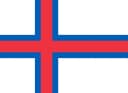
Faroe Islands
The Faroe Islands are an archipelago of eighteen mountainous volcanic islands in the North Atlantic, roughly halfway between Iceland and Scotland, and no point on them lies more than five kilometres from the sea. A self-governing nation under the Kingdom of Denmark since 1948, with Faroese as its own language, the islands sit outside the European Union, and nearly half of their people live in and around the capital, Tórshavn. They are also outside the Schengen area and set their own entry rules: nationalities that can visit Denmark without a visa can visit the Faroe Islands without one too, but a visa issued for Denmark or the Schengen area is not valid here on its own.
Booking links go to our partner Trip.com — we may earn a commission at no extra cost to you.
Faroe Islands Visa and Entry Requirements
The Faroe Islands are part of the Kingdom of Denmark but are not part of the Schengen area, and they run their own entry rules. The practical consequence is the one that catches travellers out: a visa issued for Denmark or for another Schengen country is not valid for the Faroe Islands. Where a visa is needed, the visa sticker itself must state that it is valid for the Faroe Islands, and it is applied for through a Danish diplomatic mission or another representation that handles visa applications on Denmark's behalf. If your nationality can enter Denmark without a visa, you can also visit the Faroe Islands without one, for short visits of up to 90 days. Citizens of Denmark, Finland, Iceland, Norway and Sweden may enter, live and work in the islands without any permit, and a photo identity document is enough for them. Citizens of EU and Schengen countries need no visa and may enter with a passport or with a national identity card that carries a photo, a route open to citizens of those countries rather than to their residents. Other passports should be valid for at least three months beyond the end of the stay. A third-country national holding a valid residence permit from Denmark or another Schengen country, or an EU residence card that entitles them to enter Denmark, may enter the Faroe Islands on that document together with a valid travel document; an expired permit does not qualify. If you need a visa and your route runs through Copenhagen or another Schengen airport, make sure your visa covers both the Schengen stop and the Faroe Islands. Because the islands are outside the European Union, EU free movement does not apply here: anyone other than a Nordic citizen, EU citizens included, needs a work and residence permit to move to the Faroe Islands. Most visitors arrive by air at the islands' airport on Vágar, with year-round non-stop flights from Copenhagen and further routes from other European cities, some of them seasonal; a car ferry from Hirtshals in northern Denmark calls at Tórshavn all year and sails on to eastern Iceland outside the winter months.
Visa types
Tourism, business meetings and visits to friends and family, for nationalities that can enter Denmark without a visa.
Guides
The Faroe Islands are a place to travel slowly and let the weather set the pace. The islands are small and closely linked, so a base in Tórshavn or a village puts most of the archipelago within a day's reach, and tunnels, buses and ferries let each morning's plan follow the forecast rather than a schedule fixed months ahead. Much of what visitors come for lies outdoors, a short drive and a walk from wherever they are staying. It is a trip for people who prefer space and quiet to a checklist of sights, and who pack for rain.
Faroe Islands travel guide →
The full guide: Mykines' puffins, the cairn-marked hikes and their fees, four villages and a plan that lets the forecast choose the day.
Money in Faroe Islands →
The króna at par with the Danish krone, cards almost everywhere and the island extras worth budgeting for.
Eating in Faroe Islands →
Mutton and fish dried and fermented by the wind in the slatted hjallur, and dinner in a Faroese home.
Getting around Faroe Islands →
Subsea tunnels and the undersea roundabout, free buses in Tórshavn, small ferries and helicopters for islanders.
Health & safety in Faroe Islands →
Fog and the cairns, cliff edges and wind, winter roads, and where to turn for medical help.
Cities & planning
Embassies & missions
Frequently asked questions
A Schengen visa is not enough on its own, and many travellers need no visa at all. The Faroe Islands are part of the Kingdom of Denmark but outside the Schengen area, so a visa issued for Denmark or another Schengen country does not by itself allow entry. If your nationality can visit Denmark without a visa, you can visit the Faroe Islands without one too; if you do need a visa, it must be marked as valid for the Faroe Islands, and if you fly in through a Schengen airport it has to cover that stop as well.
If you are a citizen of a Nordic country, yes, a photo identity document is enough. Citizens of EU and Schengen countries may also enter with a national identity card that carries a photo, a route open to citizens rather than to residents of those countries. Everyone else needs a passport, which should be valid for at least three months beyond the end of the stay.
Yes, if it is valid. A residence permit from Denmark or another Schengen country, or an EU residence card that entitles you to enter Denmark, lets you enter the Faroe Islands without a visa, together with a valid travel document. An expired permit does not, even while an extension is pending.
Planning a trip to Faroe Islands? Compare hotels and flights and book in minutes.
Booking links go to our partner Trip.com — we may earn a commission at no extra cost to you.
Treat this Visaja page as your starting point: verify the current rules directly with the official source before you submit an application.