Grenada
Phone Code
+1
Capital
St. George's
Population
114,299 (2023)
Languages
English · Grenadian Creole English
Area
349 km²
Electricity
230 V
Plug types
BS 1363
Driving side
left
Native Name
Grenada
Region
Americas
Caribbean
Timezone
Atlantic Standard Time
UTC-04:00
On This Page
Grenada emerges from turquoise Caribbean waters as the tri-island nation known worldwide as the 'Spice Island'—an aromatic paradise where nutmeg, cinnamon, cloves, and other spices perfume tropical breezes, where the volcanic interior rises in lush rainforested mountains cascading with waterfalls, where pristine white-sand beaches rival anywhere in the Caribbean, and where the capital St. George's curves around one of the hemisphere's most beautiful natural harbors with pastel-painted colonial buildings climbing steep hillsides. This small nation (344 square kilometers—about twice the size of Washington DC) comprises three islands: Grenada itself (the largest at 34 km long), Carriacou (peaceful sister island 37 km to the northeast), and tiny Petite Martinique (fishing community on 586-acre islet). The 125,000 Grenadians maintain warm, laid-back culture blending African, French, British, and Caribbean influences creating distinct identity separate from more commercialized neighboring islands. The landscape delivers concentrated beauty: Grand Anse Beach's three-kilometer sweep of powdery white sand and calm turquoise water regularly ranking among world's best beaches, the Carenage waterfront in St. George's with yacht-filled harbor and colorful buildings providing postcard-perfect scenes, rainforest interior concealing Annandale Falls and Seven Sisters Falls plunging through jungle, nutmeg processing stations where workers crack seeds revealing aromatic spice exported globally, crater lakes hidden in dormant volcanic calderas, and underwater sculpture park creating eerie art gallery beneath Caribbean Sea. Grenada recovered remarkably from devastating 2004 Hurricane Ivan (which destroyed 90% of structures) to rebuild tourism infrastructure while maintaining authentic Caribbean character resistant to mass-market overdevelopment. Visitors discover island offering classic Caribbean beaches alongside unique attractions (underwater sculptures, spice tours, chocolate-making), accessible size allowing exploration of entire main island in single day, genuine friendliness from locals greeting strangers like neighbors, and costs significantly below nearby islands making Grenada exceptional value in region where luxury prices dominate.
Grenada Visa & Entry Requirements
Grenada offers visa-free entry to citizens of most countries including United States, Canada, United Kingdom, European Union nations, Australia, New Zealand, and many others for tourist stays. Visa-free periods vary: US, UK, and Canadian citizens receive 90 days, while most other eligible nationalities get 30 days extendable to 90 days through immigration office. Entry requirements include passport valid for duration of stay (6 months validity recommended), return/onward ticket, proof of accommodation, and sufficient funds for stay. Some nationalities require visas obtained in advance through Grenadian embassy/consulate—check current requirements as policies change. Entry typically occurs through Maurice Bishop International Airport (main airport near capital) with flights from North America, UK, and regional Caribbean connections, or via yacht/cruise ship arriving at St. George's port. Immigration formalities are generally quick and friendly. The islands use Eastern Caribbean Dollar (EC$) pegged at EC$2.70 = US$1, though US dollars are widely accepted (change given in EC$). No vaccinations are legally required unless arriving from yellow fever endemic countries (then yellow fever certificate mandatory). Tourist visa extensions beyond initial period can be requested at immigration office in St. George's. Grenada participates in CARICOM (Caribbean Community) providing special arrangements for citizens of member states. The country has Citizenship by Investment program allowing foreign nationals to obtain Grenadian citizenship through qualifying investments, separate from tourist visa policies.
Common Visa Types
Visa-Free Entry
Tourism and leisure for eligible nationalities
Tourist Visa
Tourism for nationals requiring advance visa
Essential Grenada Travel Information
•Hurricane season runs June-November with...
•Currency is Eastern Caribbean Dollar...
•Driving is on the LEFT...
•Grand Anse Beach is public—all...
•Tap water from municipal supply...
•Electricity is 220V with UK-style...
•No vaccinations legally required unless...
•Tipping is customary—10-15% in restaurants...
•Best weather is December-May (dry...
•Carriacou ferry runs daily but...
•Cruise ship arrivals bring temporary...
•Spice purchases make excellent gifts—nutmeg,...
•Mobile coverage is good in...
•Grenada's size allows full-island exploration...
•Sunscreen and mosquito repellent essential—Caribbean...
•Local time is Atlantic Standard...
Grenada packs remarkable diversity into compact island nation where day trips encompass waterfalls, spice plantations, pristine beaches, historic forts, and world's first underwater sculpture park. The southwestern coast hosts most tourism infrastructure: Grand Anse Beach (iconic three-kilometer stretch consistently rated among world's top beaches) provides classic Caribbean beach experience with calm turquoise water, powdery white sand, beachside restaurants, and spectacular sunsets; nearby Morne Rouge Bay offers more secluded swimming in protected cove; and Magazine Beach attracts cruise ship visitors. St. George's—the capital climbing steep hills around horseshoe-shaped harbor—delivers Caribbean colonial charm through pastel-painted buildings (many dating to 18th-19th centuries), the Carenage waterfront with traditional wooden boats and luxury yachts, busy Saturday market selling spices and produce, and Fort George providing panoramic harbor views. The interior mountains offer nature experiences: Grand Etang National Park centers on crater lake filling dormant volcano's caldera surrounded by rainforest hiking trails leading to Seven Sisters Falls (series of cascades in pristine jungle setting); Annandale Falls provides easily accessible waterfall with swimming pool; and Concord Falls combines three tiers of waterfalls with nutmeg and cocoa plantations. The underwater sculpture park in Molinere Bay revolutionized dive tourism—British sculptor Jason deCaires Taylor created 65+ life-sized cement sculptures submerged in shallow water attracting marine life and creating eerie art experience. Spice tours visit nutmeg processing stations (Grenada produces 20% of world's nutmeg supply), cocoa estates demonstrating bean-to-bar chocolate production, and plantations cultivating cinnamon, cloves, and bay leaves. Sister island Carriacou (45-minute catamaran from Grenada) offers slower pace, pristine beaches, traditional boat-building culture, and excellent diving. Activities span snorkeling and diving (coral reefs, shipwrecks, underwater sculptures), hiking rainforest trails, touring historic forts and estates, sailing and sportfishing, experiencing local culture through island tours, and simply relaxing on exceptional beaches. Grenada delivers authentic Caribbean experience without over-commercialization dominating other islands, with accessible size, friendly locals, unique attractions, and remarkable natural beauty creating memorable visit.
Discover Grenada
Grand Anse Beach: Caribbean Perfection
Grand Anse Beach curves for three sublime kilometers along southwestern coast creating iconic Caribbean scene of white powder sand, calm turquoise water, gently swaying palms, and mountain backdrop—consistently appearing in rankings of world's best beaches based on natural beauty, water quality, and setting. The beach slopes gradually into calm Caribbean Sea protected by offshore reefs creating safe swimming conditions ideal for families, with water clarity allowing visibility of tropical fish near shore and temperatures hovering around perfect 26-28°C year-round. The southern end near Grenadian by Rex Resort sees more activity with beach vendors (offering spice bags, jewelry, sarongs), water sports operators (jet skis, kayaks, paddleboards), and beachside bars serving rum punch and local Carib beer. The northern end toward Morne Rouge offers more tranquility with fewer vendors and quieter atmosphere. Beachfront accommodations range from all-inclusive resorts (Spice Island Beach Resort, Radisson Grenada) to smaller hotels and guesthouses, many offering direct beach access. Beach restaurants like Umbrellas and BB's Crabback serve fresh seafood, local specialties, and cold drinks with tables in sand and spectacular sunset views (Grenada's west coast orientation provides unobstructed sunset vistas over water). The beach sees cruise ship visitors during mid-day but quiets in morning and late afternoon. Sunday brings local families picnicking and playing cricket on sand creating lively cultural atmosphere. The three-kilometer length allows beach walking from Grand Anse proper through Morne Rouge Bay to Magazine Beach, passing different resort areas and public access points. While development lines the beach, it remains remarkably low-rise and unobtrusive compared to many Caribbean destinations—no high-rise hotels block views, and greenery softens development impact. Grand Anse delivers pure beach paradise enhanced by Grenada's authentic character, reasonable costs, and lack of aggressive commercialization.
St. George's: Caribbean Colonial Gem
St. George's curves around horseshoe-shaped natural harbor creating one of Caribbean's most picturesque capitals where pastel-painted colonial buildings climb steep hillsides, traditional wooden boats bob alongside luxury yachts, church spires punctuate skyline, and Fort George overlooks scene from commanding hilltop. The Carenage—the inner harbor waterfront—forms the city's heart with colorful warehouses (many converted to restaurants, shops, and offices) reflecting in calm water, where visiting yachts tie up and local fishing boats unload catches. The Saturday morning market explodes with activity as vendors sell tropical fruits, vegetables, ground spices (nutmeg, cinnamon, saffron), handcrafted baskets, and local crafts while locals shop and socialize creating vibrant cultural scene. Historic architecture includes St. George's Anglican Church (1825), St. George's Roman Catholic Cathedral (1818, rebuilt after fires), and Parliament Building with clock tower. Fort George (originally French Fort Royal, 1705) sits on Harbour Head promontory providing panoramic views across harbor, town, and coast—cannons still point outward, and fortifications preserve colonial military history. Nearby Fort Frederick (1779) offers similar views from inland position. The Sendall Tunnel (1894) cuts through headland connecting Carenage to Esplanade (outer harbor area), creating unique pedestrian passage. The town's steep streets require fitness for exploration—taxi rides cost a few dollars and provide legs-saving alternative. Shopping includes local spice vendors (buying nutmeg, cinnamon, bay leaves makes fragrant souvenir), craft markets, and duty-free shops. Dining ranges from harbor-view restaurants serving fresh seafood to local spots offering oil-down (Grenada's national dish—one-pot meal of breadfruit, salted meat, callaloo, and dumplings cooked in coconut milk). St. George's maintains working-town authenticity rather than polished tourist facade—locals go about daily business while visitors explore, creating genuine cultural immersion rare in cruise-dominated Caribbean ports.
Spice Island Heritage: Nutmeg & More
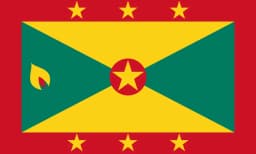
Grenada's identity as 'Spice Island' derives from agricultural heritage producing nutmeg, mace, cinnamon, cloves, ginger, and other aromatics that perfume the entire island—driving island roads means inhaling spice-scented breezes, and visiting processing facilities reveals fascinating journey from tree to export. Nutmeg dominates—Grenada produces approximately 20% of world's supply (second only to Indonesia), with nutmeg tree appearing on national flag reflecting economic and cultural significance. The trees (originally from Indonesia, introduced to Grenada in 1843) thrive in island's volcanic soil and tropical climate, taking 7-9 years to begin producing and continuing for 60+ years. Nutmeg tours visit processing stations like Gouyave Nutmeg Processing Station where workers demonstrate traditional methods: harvesting ripe fruits (which split to reveal red mace netting surrounding hard nutmeg seed), separating mace, drying both components, grading by quality, and packaging for export. The distinctive aroma fills facilities as workers sort through thousands of seeds. Beyond nutmeg, tours visit cocoa estates demonstrating bean-to-bar chocolate production—fermentation, drying, roasting, grinding into chocolate paste—with tastings of incredibly rich Grenadian chocolate. Cinnamon trees grow wild in rainforest, bark harvested and dried to create familiar spice. Clove trees dot plantations, their unopened flower buds picked and dried. Bay leaf trees (not same as European bay laurel) provide leaves for bay rum production. Spice tours typically include tastings and purchase opportunities—buying spices directly from source provides exceptional quality at fraction of supermarket prices (though customs regulations in destination countries may limit quantities). The Dougaldston Spice Estate near Gouyave offers comprehensive tours including nutmeg processing, cocoa production, and traditional rum distillery. River Antoine Rum Distillery (oldest functioning water-propelled distillery in Caribbean, operating since 1785) produces potent overproof rum using traditional methods unchanged for centuries. These spice experiences provide unique cultural and agricultural insight impossible elsewhere in Caribbean.
Underwater Sculpture Park: Art Beneath Waves
The world's first underwater sculpture park sits in Molinere Bay, just north of St. George's, where British sculptor Jason deCaires Taylor placed 65+ life-sized cement sculptures in 8-25 feet of water creating unique fusion of art, marine conservation, and dive tourism that has been replicated worldwide but originated here in Grenada. The sculptures—created from pH-neutral marine cement designed to promote coral growth—include 'Vicissitudes' (ring of 26 life-sized children holding hands), 'The Lost Correspondent' (man at typewriter), 'Grace Reef' (woman cycling), and various individual figures positioned as if frozen in underwater tableaux. The sculptures serve dual purpose: providing unique artistic experience for snorkelers and divers while functioning as artificial reef attracting fish, coral, and other marine life that colonize the surfaces—visiting soon after placement yields clean sculptures clearly showing artistic detail, while later visits reveal natural transformation as coral encrusts surfaces, fish shelter in crevices, and marine growth gradually reclaims art into reef. The site is accessible via organized snorkel or dive tours from nearby operators (snorkel trips cost notably less than scuba), with shallow depths making it suitable for beginners. Calm protected bay provides excellent visibility most days, and proximity to shore (5-10 minute boat ride from Grand Anse area) makes it easily accessible half-day excursion. The eerie experience of swimming among life-sized figures standing on sandy bottom creates powerful visual impact—some find it haunting, others inspiring, but few forget the sight of human forms colonized by marine life in turquoise water. The sculpture park's success led to second installation at Molinere-Beausejour Marine Protected Area with additional pieces, and inspired similar projects in Cancun, Bahamas, and other locations. For non-divers, viewing occurs via glass-bottom boat tours providing surface perspective (though water clarity depending on recent weather). The attraction represents Grenada's innovative approach to tourism—creating unique draw while supporting marine conservation and reef restoration.
Rainforest Interior & Waterfalls
Grenada's mountainous interior rises to 840 meters at Mount St. Catherine, with volcanic peaks covered in lush tropical rainforest protecting watersheds feeding numerous waterfalls, rivers, and hidden crater lakes creating dramatic contrast to coastal beaches. Grand Etang National Park centers on Grand Etang Lake—crater lake filling collapsed volcanic caldera at 530 meters elevation, surrounded by thick rainforest where hiking trails lead through giant ferns, towering trees festooned with epiphytes, and habitat for mona monkeys (introduced in 18th century, now wild population), armadillos, and abundant birdlife including Grenada dove (endemic and critically endangered). The Grand Etang Forest Center provides information and trail access—the Morne LaBaye Trail (3 hours round-trip) climbs through cloud forest to summit viewpoint, while shorter trails circle lake or lead to viewpoints. Seven Sisters Falls requires guided hike (3-4 hours round-trip) through private estate's rainforest to reach series of seven cascades tumbling through pristine jungle into swimming pools—the challenging hike (muddy, steep sections, river crossings) rewards with exclusive waterfall experience far from tourist crowds. Annandale Falls provides easier access—10-meter waterfall plunging into swimming pool just 15 minutes from St. George's with developed parking, viewing platform, and opportunities to watch local guides perform cliff-jumping demonstrations for tips. Concord Falls near Gouyave offers three tiers: easy walk to lower falls with swimming pool surrounded by spice gardens, moderate hike to middle falls, and challenging trek to upper falls (14-meter cascade in pristine setting). The Victoria Falls near Marquis on east coast requires guided tour through private land but rewards with spectacular 25-meter waterfall into turquoise pool. Island geography creates numerous microclimates—east coast receives more rainfall creating wetter, greener landscape, while southwestern coast gets less rain creating drier conditions ideal for beaches. Interior exploration requires either rental car (roads are narrow, winding, and require confident driving) or organized tours hitting multiple sites in single day. The rainforest provides cooling escape from beach heat, wildlife viewing opportunities, and insight into Grenada's volcanic origins and ecological diversity.
Carriacou & Petite Martinique: Sister Islands
Carriacou (pronounced CARE-ee-ah-koo, from Carib word meaning 'land of reefs') lies 37 kilometers northeast of Grenada as peaceful sister island where time moves slower, development remains minimal, traditional culture persists, and pristine beaches see few footprints. The 34-square-kilometer island hosts 9,000 residents concentrated in main town Hillsborough and scattered villages preserving traditions including boat-building (traditional wooden sloops constructed using methods passed through generations), Big Drum Nation Dance (African-derived music and dance performed at cultural events), and Carriacou Parang Festival (December celebration unique to island). Paradise Beach on southwest coast delivers postcard-perfect Caribbean scene with turquoise water, white sand, and calm swimming in protected bay—few facilities beyond small beach bar enhance rather than detract from natural beauty. Anse La Roche on windward side offers dramatic coastal scenery with rougher surf. Sandy Island—tiny uninhabited sandbar offshore—provides day-trip snorkeling destination surrounded by coral reefs and visited via water taxi from Hillsborough. Diving around Carriacou rivals Grenada with less crowded sites including Sisters Rocks (pinnacle dive with eagle rays and sharks) and numerous coral gardens. The Tobago Cays—protected marine park in the Grenadines—sits just north and is accessible via day tours from Carriacou combining sailing, snorkeling, and visiting uninhabited cays surrounded by barrier reef. Access to Carriacou requires 90-minute ferry from Grenada (daily catamaran service at modest cost) or 20-minute flight (pricier but reliable when seas run rough). Accommodations are simpler than Grenada—small hotels, guesthouses, and villas rather than resorts. Petite Martinique—even tinier island (586 acres, 900 residents) between Carriacou and St. Vincent—centers on fishing and boat-building with minimal tourism infrastructure but possible as day-trip for those seeking ultimate Caribbean remoteness. These sister islands reward visitors willing to trade convenience for authenticity—limited nightlife, basic dining, simple accommodations, but genuine local culture, uncrowded beaches, and peaceful atmosphere increasingly rare in Caribbean.
Diving, Snorkeling & Marine Life
Grenada's underwater attractions rival topside beauty with diverse dive sites including coral reefs, dramatic wall dives, fascinating wrecks, and unique sculpture park creating appeal for all experience levels from beginners to technical divers. The southern coast hosts most accessible sites: Molinere-Beausejour Marine Protected Area combines underwater sculptures with healthy coral reefs teeming with tropical fish, sea turtles, and occasional rays. The wreck of Bianca C (known as 'Titanic of the Caribbean')—160-meter cruise ship that caught fire and sank in 1961—sits in 50 meters of water as advanced dive requiring experience and certification. Shallower wrecks include Veronica L (cargo ship), Shakem (tug boat), and Hema I (freighter), all encrusted with coral and occupied by barracuda, angelfish, and other marine life. Boss Reef and Flamingo Bay offer wall diving dropping to depths beyond recreational limits with gorgonians, black coral, sponges, and pelagic fish. Northern dive sites near Levera include canyons, caves, and dramatic topography with frequent turtle sightings. Carriacou diving features Sisters Rocks pinnacle (eagle rays, nurse sharks, potential for hammerheads) and Jack-a-Dan Reef (shallow coral garden perfect for beginners). Snorkeling opportunities exist at most beaches—Morne Rouge Bay provides excellent shore snorkeling with sea turtles frequently spotted, Grand Anse's northern end has scattered coral heads, and Marine Protected Areas around sculpture park offer guided snorkel tours. The diving season runs year-round with best visibility December-May (dry season), though June-November (wet season) brings potential for rain and waves. Water temperatures stay comfortable 26-29°C year-round requiring only shorty wetsuit. Numerous dive operators offer daily trips, courses, and multi-day packages—prices are reasonable compared to many Caribbean destinations; check current rates when booking. Marine conservation areas protect key sites, and moorings reduce anchor damage to reefs. Grenada's underwater realm provides major draw complementing terrestrial attractions.
Culture, Festivals & Island Life
Grenadian culture blends African, British, French, and Caribbean influences creating distinct identity expressed through festivals, cuisine, music, and warm hospitality that welcomes visitors as honored guests rather than mere tourists. Carnival (held in August rather than pre-Lent timing elsewhere) explodes with energy as mas bands parade through streets in elaborate costumes, soca and calypso music pounds from speakers, J'ouvert (pre-dawn street party) covers participants in paint and mud, and competitions crown calypso monarchs and costume kings/queens. The Grenada Chocolate Festival (May) celebrates local cocoa production through tastings, estate tours, cooking demonstrations, and opportunities to learn bean-to-bar process. Carriacou Carnival (February/March) maintains more traditional feel with Big Drum dancing and Shakespeare Mas (re-enactments of Shakespearean scenes, unique to island). Fishing tournaments, sailing regattas, and cultural events fill annual calendar. Grenadian cuisine centers on local ingredients: oil-down (national dish), callaloo soup, fish and seafood prepared various ways, roti (flatbread wrapping curried filling), and use of local spices in everything. Rum punch, local Carib and Stag beers, and cocoa tea (hot chocolate) are popular beverages. The population of 125,000 concentrates in St. George's and coastal towns, with English as official language spoken with distinctive Grenadian accent and creole phrases. The people are famously friendly—greetings are customary even with strangers, locals offer assistance to visitors, and genuine warmth creates welcoming atmosphere. Crime rates are relatively low, though normal precautions apply in tourist areas and at night. Hurricane Ivan (2004) devastated the island destroying 90% of structures including most nutmeg trees—recovery took years but demonstrated resilience as Grenadians rebuilt stronger infrastructure while maintaining cultural character. Modern Grenada balances tourism development with preservation of authentic island life, creating destination where visitors experience real Caribbean culture rather than manufactured resort bubble.
Ways to Experience This Destination
Soak up sun on Grand Anse Beach and other pristine Caribbean beaches—white sand, turquoise water, palm trees, and spectacular sunsets creating classic tropical beach vacation with world-class setting at reasonable prices.
Explore underwater sculpture park, coral reefs, dramatic wall dives, and wreck sites—diverse marine life including sea turtles, rays, and tropical fish in clear Caribbean waters suitable for all experience levels.
Visit nutmeg processing stations, cocoa estates, cinnamon plantations, and rum distilleries—learn agricultural heritage earning 'Spice Island' nickname while tasting fresh chocolate, rum, and aromatic spices.
Hike rainforest trails to Seven Sisters Falls, Annandale Falls, and Concord Falls—swim in natural pools, observe tropical wildlife, explore Grand Etang crater lake in lush volcanic interior.
Experience authentic Caribbean culture through local markets, festivals, traditional cuisine, rum shops, and friendly interactions with Grenadians maintaining genuine island hospitality and rich cultural traditions.
Visit Carriacou and Petite Martinique sister islands, sail to Sandy Island sandbar, or day-trip to nearby Tobago Cays—explore pristine beaches, traditional boat-building culture, and slower-paced island life.
Money & Currency
Eastern Caribbean Dollar (EC$, XCD)
Currency code: XCD
Practical Money Tips
Currency Exchange in Grenada
Grenada uses the Eastern Caribbean Dollar (EC$, XCD), pegged to the US dollar at a fixed rate of EC$2.70 = US$1. US dollars are widely accepted across the island — hotels, restaurants, tour operators, and many shops quote prices in both currencies. However, change is always given in EC$, so you'll accumulate local currency naturally. There's no need to exchange money before arrival. ATMs at Maurice Bishop International Airport and in St. George's dispense EC$. Currency exchange is available at banks in St. George's (Republic Bank, CIBC FirstCaribbean) and at some hotels, though bank rates are better. Avoid exchanging at the airport if possible — rates are less favorable. When paying in USD, verify the exchange rate being applied — the official rate is 2.70, but some businesses round to 2.50 or 2.60, effectively charging a premium.
ATM Availability
ATMs are available in St. George's (Grand Anse commercial area, the Carenage, and Spiceland Mall), at Maurice Bishop International Airport, and in Grenville on the east coast. Republic Bank and CIBC FirstCaribbean are the main banks with ATM networks. ATMs dispense Eastern Caribbean Dollars only. On Carriacou, ATM availability is limited — typically one or two machines in Hillsborough, the main town. On Petite Martinique, there are no ATMs. Withdrawal limits are typically EC$1,000-1,500 per transaction. International transaction fees from your home bank will apply (typically $3-5 per withdrawal). Visa and Mastercard are the most widely accepted networks. Plan ahead if heading to Carriacou or the more rural parts of Grenada — withdraw enough cash in St. George's or Grand Anse before departing.
Card Acceptance
Credit and debit cards (Visa and Mastercard) are accepted at most hotels, larger restaurants, dive operators, car rental agencies, and tourist-oriented shops in Grand Anse and St. George's. American Express acceptance is limited. Outside the main tourist areas — particularly in local restaurants, market stalls, rum shops, smaller guesthouses, and on Carriacou and Petite Martinique — cash is king. Beach vendors, water taxi operators, and spice tour guides in the rural interior generally expect cash payment. Some businesses add a 3-5% surcharge for credit card payments. Mobile payment (Apple Pay, Google Pay) is not widely supported. Bottom line: carry EC$200-300 in cash alongside your cards, especially when exploring beyond Grand Anse and St. George's.
Tipping Customs
Many hotels and restaurants in Grenada add a 10% service charge to bills — check before adding a tip. If no service charge is included, 10-15% is appropriate for restaurant meals. At casual beachfront bars and rum shops, rounding up or leaving EC$5-10 is common. Hotel housekeeping: EC$5-10 per day. Taxi drivers: tipping is not expected but rounding up is appreciated. Tour guides and boat captains: EC$20-30 per person for half-day tours, more for full-day excursions. Dive instructors: US$5-10 per dive is customary. Spa therapists: 10-15% if no service charge. Grenadians are warm and genuinely hospitable — a sincere thank-you matters as much as the tip. Always tip in local currency (EC$) or US dollars; avoid coins from other currencies.
Note: Always check current exchange rates before traveling. Currency exchange is available at airports, banks, and authorized money changers.
What is the currency of Grenada?
How much should I budget per day in Grenada?
Can I use US dollars everywhere in Grenada?
Are there any money scams to watch out for?
Should I exchange money before traveling to Grenada?
How do I pay for ferries between Grenada and Carriacou?
Cities
Explore our city travel guides
Grenada — Embassies worldwide
Popular Destinations
Top destinations with verified missions
All Countries by Continent
🌍Europe(1)
Embassies in Grenada
These foreign embassies and consulates are based here. Choose a mission to open its in-depth guide and contact details.
Key origin countries


Do I need a visa to visit Grenada?
Most visitors don't: US, UK and Canadian citizens get 90 days visa-free, and most other eligible nationalities receive 30 days, extendable to 90 through the immigration office in St. George's. Arrive with a passport valid for the stay (six months recommended), a return or onward ticket and proof of accommodation. A yellow fever certificate is required only if arriving from an endemic country.
Why is Grenada called the Spice Island?
Because it earns it: Grenada produces roughly 20% of the world's nutmeg — the seed is on the national flag — alongside mace, cinnamon, cloves and bay leaves, and the aroma genuinely carries on the breeze. The tours are among the Caribbean's most distinctive experiences: nutmeg processing at Gouyave, bean-to-bar chocolate on the cocoa estates, and River Antoine's water-powered rum distillery, running since 1785. Buy spices at the source — quality far above supermarket grade.
What is the underwater sculpture park — and can non-divers see it?
Molinere Bay holds the world's first underwater sculpture park: 65+ life-sized figures by Jason deCaires Taylor standing on the seabed in 8-25 feet of water, slowly transforming into living reef. The shallow depth makes it genuinely snorkeler-friendly — no scuba certification needed — and glass-bottom boat tours give a surface view for those who prefer to stay dry. It's a short boat ride from the Grand Anse area; an easy half-day.
Is Grenada cheaper than other Caribbean islands?
Notably, yes — it's one of the region's better-value destinations: costs run below the famous neighbors, development stays low-rise, and by law every beach is public, including three-kilometre Grand Anse. You pay Caribbean prices, not celebrity-island prices, for beaches that rank with anywhere. The Eastern Caribbean Dollar is pegged at EC$2.70 to US$1, and US dollars are widely accepted.
When is the best time to visit Grenada?
December to May is the dry season — the best beach and diving conditions, and the busiest, priciest months. June to November brings afternoon showers, humidity and hurricane exposure (highest August-October) but also real discounts. August is Carnival — Grenada holds it late, unlike most islands — and May brings the Chocolate Festival.
Is Carriacou worth the trip?
If you want the Caribbean as it was — yes. Grenada's sister island runs slower and quieter: Paradise Beach with barely a footprint, traditional wooden-boat building, Big Drum dancing, and Sandy Island's snorkeling sandbar offshore. The daily catamaran ferry takes about 90 minutes (a short flight is the rough-seas backup). Give it an overnight rather than a rushed day trip.
Can I explore Grenada on my own?
Easily — the island is compact enough that a single well-planned day covers St. George's, Grand Anse, a waterfall and a spice estate. Driving is on the LEFT, a temporary local licence comes through the rental agency for a small fee, and the interior roads are narrow, steep and winding — confident drivers only. If that's not you, organized island tours hit the same circuit without the white knuckles.
This overview comes from Visaja's worldwide missions database (visaja.com), checked against official government sources; for binding answers, the mission itself always has the final word.