- Code:BA
- Type:province
- Population:4.4M (2021)
- Area:5,780 km²
- Elevation:3,031 m
- Capital:Denpasar
Introduction
Bali, Indonesia's most celebrated island, is a spiritual and sensory paradise where ancient Hindu temples perch on volcanic cliffs above crashing surf, emerald rice terraces cascade down jungle hillsides in UNESCO-listed irrigation systems, world-class surf breaks draw riders from across the globe, and a vibrant wellness culture offers yoga retreats, traditional Balinese healers, and spa treatments amid tropical gardens. From Ubud's artistic heart and Seminyak's beach clubs to Uluwatu's dramatic cliff temples and the volcanic landscapes of Mount Agung, Bali delivers an extraordinary blend of spirituality, natural beauty, adventure, and relaxation that has earned its reputation as the Island of the Gods.
Overview
Bali packs extraordinary diversity into an island roughly 140 km across — volcanic peaks rising to 3,142 m at Mount Agung, rice terraces sculpted by an ancient irrigation system (subak) recognized by UNESCO, over 20,000 Hindu temples hosting daily flower offerings and elaborate ceremonies, world-class surf breaks from Uluwatu to Canggu, lush jungle valleys hiding river gorges and waterfall plunge pools, and coral reefs teeming with manta rays and sunfish. Ubud, the island's cultural heart, combines traditional Balinese arts (painting, wood carving, dance, gamelan music) with a modern wellness industry that has made it a global yoga and meditation destination. The southern peninsula from Seminyak through Canggu to Uluwatu offers beach clubs, surf culture, sunset cocktails, and some of Asia's most creative restaurants. Eastern Bali (Amed, Candidasa) and the north (Lovina) remain quieter, offering snorkeling, diving, and traditional village life away from southern crowds. Balinese Hinduism infuses daily life with ceremony, art, and a profound connection to nature — temple festivals, cremations, and offerings placed on every doorstep create a cultural experience unlike anywhere else in Southeast Asia. For many travelers, Bali's affordability (luxury villas for a fraction of European prices), warmth (both climate and people), and sheer variety of experiences make it a once-in-a-lifetime destination that keeps calling them back.
A split temple gate — the threshold architecture that marks sacred ground across Bali.
Discover Bali
Ubud: Culture, Rice Terraces & Wellness
Ubud is Bali's spiritual and artistic center, nestled in lush river valleys surrounded by rice terraces and tropical forest. The Tegallalang rice terraces north of town offer the iconic Bali landscape — emerald-green paddies cascading down steep hillsides in an ancient subak (irrigation cooperative) system UNESCO recognizes as cultural heritage. Ubud's art scene spans traditional painting at the Neka and ARMA museums, stone carving villages, gamelan orchestras, and nightly dance performances (Kecak fire dance at Uluwatu and Legong at the Royal Palace are unmissable). The town has become a global wellness hub — yoga studios, meditation retreats, raw food restaurants, sound healing sessions, and traditional Balinese healer (balian) consultations draw travelers seeking transformation. The Sacred Monkey Forest Sanctuary's ancient temple complex set among giant banyan trees (home to hundreds of macaques) and the Campuhan Ridge Walk at sunrise provide quintessential Ubud moments. The creative restaurant scene mixes Balinese cuisine with international innovation, and the surrounding villages of Penestanan, Keliki, and Mas preserve specialized artistic traditions passed down through generations.
Temples, Ceremonies & Hindu Spirituality
Balinese Hinduism creates a living cultural landscape unlike anywhere else — over 20,000 temples dot the island, daily offerings (canang sari) of flowers, incense, and food are placed on every doorstep and dashboard, and elaborate ceremonies from tooth-filing to cremation mark life's passages with color, music, and community. The Mother Temple of Besakih on Mount Agung's slopes is Bali's holiest and largest temple complex, while Tanah Lot (perched on a rocky ocean outcrop at sunset) and Uluwatu (dramatically positioned on 70-meter cliffs) provide the most photogenic temple experiences. Tirta Empul's holy spring temple near Ubud offers visitors the chance to participate in a purification ritual under sacred stone waterspouts — a genuine spiritual experience, not a tourist show. The Pura Luhur Lempuyang 'Gates of Heaven' frame Mount Agung in an iconic shot, though crowds for the Instagram moment can be intense. Temple etiquette requires sarongs (usually available for loan), covered shoulders, and respectful behavior during ceremonies — Balinese people warmly welcome respectful visitors to most temple festivals.
Surfing, Beaches & Ocean Adventures
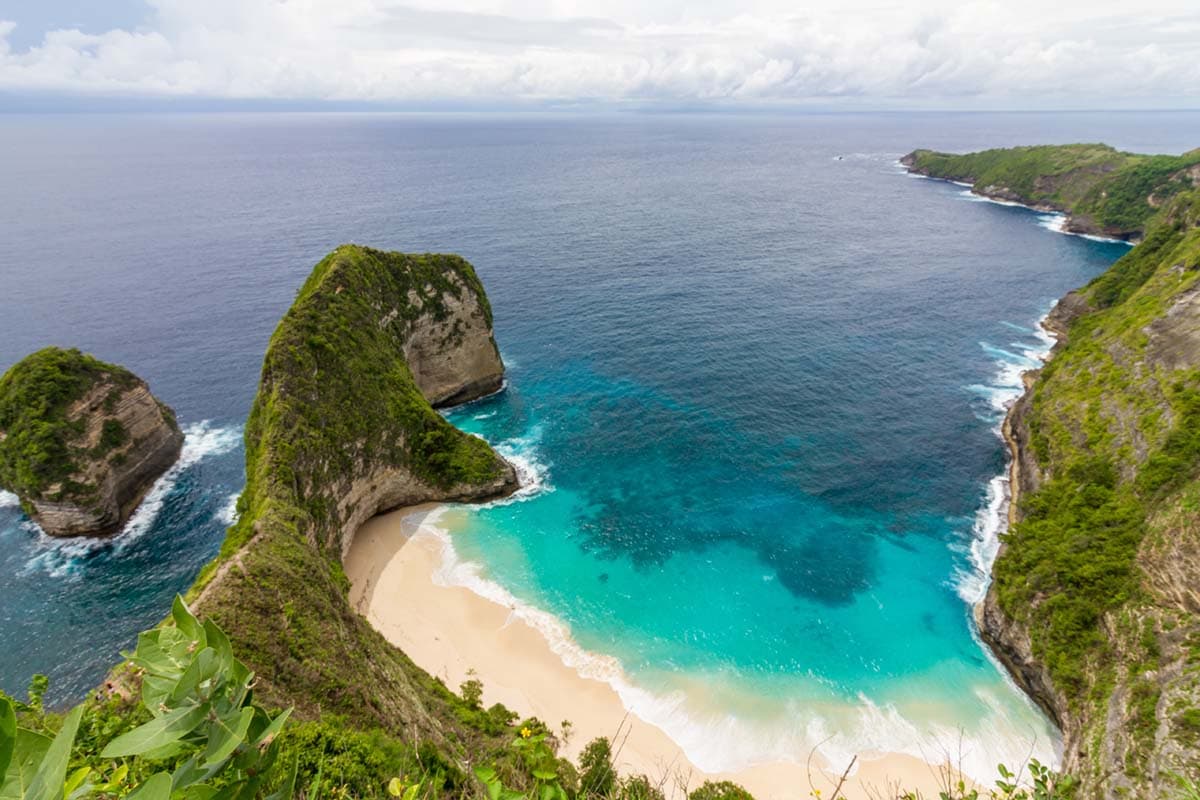
Bali's coastline offers surfing for every level — beginners learn on the gentle rollers of Kuta Beach, intermediates progress at Canggu's consistent breaks (Batu Bolong, Echo Beach, Old Man's), and experts tackle the legendary left-hand barrel at Uluwatu's reef break, one of the world's most famous waves. The Bukit Peninsula's southern cliffs hide stunning hidden beaches — Padang Padang (famous from 'Eat Pray Love'), Bingin, Dreamland, and Balangan — accessible via steep stairways cut into limestone cliffs. Beyond surfing, ocean activities include diving with manta rays at Nusa Penida's Manta Point, exploring the USS Liberty shipwreck at Tulamben (one of the world's most accessible wreck dives), snorkeling coral gardens around the Gili Islands and Menjangan Island, and sunrise dolphin-watching boat trips from Lovina. The Nusa islands (Penida, Lembongan, Ceningan) just off Bali's southeast coast offer dramatic cliff formations, crystal-clear waters, and a more laid-back atmosphere. From November to March, the west coast catches the best swells; the dry season (April-October) favors the east coast and the Bukit.
Seminyak, Canggu & Beach Club Culture
Bali's southwestern coast from Seminyak through Canggu has evolved into Southeast Asia's most stylish beach scene. Seminyak's beach clubs (Potato Head, Ku De Ta, Mrs Sippy) combine infinity pools, creative cocktails, international DJs, and spectacular sunsets— all at prices that would be impossible in Ibiza or Miami. Canggu, once a quiet surf village, has transformed into a digital nomad and expat hub with some of Asia's best coffee shops, co-working spaces, experimental restaurants, and a laid-back surf-meets-brunch culture. The rice paddies between these areas (rapidly shrinking) still provide glimpses of rural Bali amid the development. Restaurants here range from authentic warungs (local eateries) serving nasi goreng for a couple of dollars to internationally acclaimed venues pushing Balinese cuisine into fine dining territory. Sunset sessions on the beach with cold Bintang beers or creative cocktails, followed by dinner and live music, define the Seminyak-Canggu lifestyle that has attracted a global creative community.
Volcanoes, Waterfalls & Natural Wonders
Mount Agung (3,142 m), Bali's highest and holiest peak, dominates the eastern skyline and offers challenging pre-dawn treks rewarded with sunrise views across the island to Mount Rinjani on Lombok. The more accessible Mount Batur (1,717 m) provides the most popular sunrise hike — a 2-hour pre-dawn climb to watch the sun rise over Lake Batur in the caldera below, followed by breakfast cooked in volcanic steam vents. Bali's interior hides dozens of waterfalls in lush tropical valleys: Sekumpul (the most spectacular, a twin cascade plunging 80 m into a jungle gorge), Gitgit, Tibumana, Tukad Cepung (sunlight streaming through a cave entrance onto the falls), and Nungnung. The Jatiluwih rice terraces in central Bali spread across mountainsides in vast green carpets — larger and less crowded than Tegallalang and part of the UNESCO subak landscape. Hot springs at Toya Bungkah near Lake Batur and the Banjar Hot Springs in the north offer natural geothermal bathing in tropical settings.
Balinese Cuisine & Food Culture
Balinese food goes far beyond the nasi goreng and mie goreng found across Indonesia — the island's unique Hindu culture has created dishes found nowhere else. Babi guling (spit-roasted suckling pig with spiced skin so crispy it shatters) is the island's signature dish, served at warungs across Bali (Ibu Oka in Ubud gained fame from Anthony Bourdain's visit). Bebek betutu (duck slow-cooked in banana leaves with a complex spice paste) requires hours of preparation for deeply aromatic, fall-off-the-bone results. Lawar (minced meat with coconut, spices, and vegetables), sate lilit (ground fish or meat wrapped around lemongrass sticks), and jimbaran seafood (grilled fish on the beach at sunset) showcase the island's culinary range. The spice base (bumbu) of Balinese cooking — shallots, garlic, ginger, galangal, turmeric, lemongrass, chilies, and kaffir lime — layers incredible complexity. Street food warungs serve complete meals for IDR 25,000-40,000 (under USD 3), while Ubud and Seminyak's restaurant scene has earned Bali recognition as a serious food destination with multiple international awards.
East & North Bali: Quiet Escapes
Eastern and northern Bali offer the island's traditional face away from southern tourist development. Amed, a string of fishing villages along the northeast coast, provides excellent snorkeling directly from black-sand beaches, with the Japanese shipwreck and colorful coral walls attracting divers and snorkelers at a fraction of Nusa Penida prices. Sidemen valley in the east offers rice terraces, Mount Agung views, and genuine village homestays where guests participate in daily life and ceremony. Candidasa serves as a base for exploring the ancient water palace of Tirta Gangga (with its ornamental pools and stepping stones surrounded by fish ponds) and the Tenganan Aga village, one of Bali's original pre-Hindu communities preserving unique traditions including double-ikat weaving. The north coast around Lovina offers dolphin watching, quiet black-sand beaches, the Buddhist Brahma Vihara Arama monastery, and the spectacular Sekumpul and Gitgit waterfalls. Accommodation costs drop significantly compared to the south, and interactions with local Balinese communities become more natural and less transactional.
Practical Travel in Bali
Bali traffic — particularly in southern areas between Kuta, Seminyak, Canggu, and Ubud — is genuinely terrible and the biggest daily challenge for travelers. A 15 km drive can take 90 minutes during peak hours. Renting a motorbike is the most popular transport but carries significant risks: roads are chaotic, helmets are mandatory (but enforcement varies), medical facilities for accidents are limited, and travel insurance often excludes motorbike claims unless you hold a proper license. Hiring a private driver for day trips (IDR 500,000-700,000/day including fuel) offers safe, comfortable exploration with local knowledge. Bali's dry season (April-October) brings the best weather with lower humidity and minimal rain; the wet season (November-March) sees afternoon downpours but often clears quickly and brings lush green landscapes and smaller crowds. Monkeys at temples and forests will grab bags, sunglasses, water bottles, and phones — secure belongings before entering. Bali is predominantly Hindu in a Muslim-majority Indonesia — respect temple dress codes, don't touch offerings on the ground, and ask before photographing ceremonies.
Ways to Experience This Destination
Learn to surf on Kuta's beginner-friendly waves, progress at Canggu's consistent breaks, challenge yourself at Uluwatu's legendary reef barrels, and explore hidden cliff beaches on the Bukit Peninsula. After surfing, unwind at Seminyak's stylish beach clubs with infinity pools and sunset cocktails, or choose Canggu's laid-back surf-and-brunch lifestyle. Bali's surf season runs year-round with the best swells from May to October on the west coast.
Visit Uluwatu's dramatic cliff-top temple at sunset with Kecak fire dance, participate in purification rituals at Tirta Empul's sacred springs, explore the mother temple of Besakih on Mount Agung's slopes, photograph the Gates of Heaven at Lempuyang, and experience Tanah Lot's ocean-perched silhouette at golden hour. Bali's 20,000+ Hindu temples create daily encounters with ceremony, offerings, and spirituality woven into every aspect of island life.
Practice yoga at Ubud's world-renowned studios and retreat centers, experience traditional Balinese healing with a balian (spiritual healer), indulge in flower-petal baths and Balinese massage treatments, join meditation retreats in jungle settings, and try sound healing, breathwork, and raw food cleansing programs. Bali has become a global capital of wellness tourism, offering everything from drop-in yoga classes to month-long transformative retreats at accessible prices.
Swim with manta rays at Nusa Penida's Manta Point, dive the USS Liberty shipwreck at Tulamben (one of the world's best accessible wrecks), snorkel coral gardens at Menjangan Island, explore underwater temples at Pemuteran, and encounter sunfish (mola mola) during the July-October season. Bali and surrounding islands offer diving for all levels, from PADI certification courses in warm shallow waters to advanced drift dives and night dives along dramatic walls.
Walk the iconic Tegallalang rice terraces near Ubud, cycle through the vast UNESCO-listed Jatiluwih terraces in central Bali, hike between traditional villages in the Sidemen valley with Mount Agung views, and learn about the ancient subak irrigation system that has shaped Balinese agriculture and community life for over a thousand years. These living cultural landscapes combine natural beauty with deep agricultural traditions.
Climb Mount Batur for sunrise views from the volcanic crater rim, trek Mount Agung's challenging summit for panoramas across the island, chase jungle waterfalls from the spectacular Sekumpul to the cave-hidden Tukad Cepung, and soak in natural hot springs heated by volcanic activity. Bali's volcanic interior offers adventure beyond the beaches, with landscapes ranging from barren lava fields to the lushest tropical jungle.
Essential Bali Travel Tips
- Bali traffic in the south (Kuta-Seminyak-Canggu-Ubud corridor) is extremely congested — journeys of 15 km can take 90+ minutes. Use Google Maps for real-time routing, travel outside peak hours (avoid 8-10 AM and 4-7 PM), and consider staying in one area rather than commuting between them daily.
- Motorbike rental is ubiquitous but risky — chaotic roads, unpredictable traffic, poor medical facilities for accidents, and many travel insurance policies exclude motorbike injuries. If you ride, wear a helmet (mandatory), carry an international driving permit, and ensure your insurance covers motorbike use. Scooter injuries are the most common tourist medical emergency in Bali.
- The dry season (April-October) offers the best weather with minimal rain and lower humidity. The wet season (November-March) brings afternoon tropical downpours that usually clear within hours, plus lush green landscapes and significantly fewer tourists. December-January sees the highest prices and crowds due to Australian summer holidays and Christmas.
- Temple dress code is strictly enforced — sarongs and sashes are required (usually available for loan at temple entrances). Cover shoulders and knees, remove hats during prayer, and never position yourself higher than a priest or sacred object. Women who are menstruating are traditionally asked not to enter temples.
- Monkeys at Ubud's Monkey Forest and Uluwatu Temple will grab sunglasses, water bottles, hats, phones, and bags — secure all belongings before entering, don't show food or shiny objects, and never make sudden movements or show teeth (they interpret this as aggression). Keep a safe distance despite how cute they appear.
- Alhambra-style booking applies to popular experiences — Tirta Empul temple, Lempuyang Gates of Heaven, and sunrise Mount Batur treks get extremely crowded. Arrive at Lempuyang before 6 AM to avoid 2-3 hour photo queues. Book Mount Batur guides in advance. Visit Tirta Empul early morning or late afternoon.
- Bali belly (stomach illness) is very common for first-time visitors — stick to busy warungs with high turnover, avoid raw vegetables and unpeeled fruit from street stalls initially, drink only bottled water, and carry oral rehydration salts. Most cases pass within 24-48 hours. Pharmacies are well-stocked.
- Bargaining is expected at markets and with taxi drivers (non-meter), but not at restaurants, supermarkets, or shops with fixed prices. Start at 30-40% of the asking price and negotiate from there. Use ride-hailing apps (Grab, Gojek) for transparent pricing on transportation.
- Offerings (canang sari) placed on the ground everywhere are religious objects — never step on them, kick them aside, or take photos of them disrespectfully. These small palm-leaf trays with flowers and incense are daily devotional acts, not litter.
- Indonesia requires tourists to pay a Tourism Development Levy (IDR 150,000 / ~USD 10) upon arrival in Bali. This can be paid online in advance to speed up entry. Visa on Arrival (VOA) costs IDR 500,000 (~USD 30) for 30 days, extendable once for another 30 days at an immigration office.
- ATMs are widely available but Bali has issues with card skimming — use ATMs inside banks (not standalone machines on the street), cover the keypad when entering your PIN, and notify your bank of travel dates. Carry some cash for warungs and small shops; credit cards are accepted at upscale establishments.
- Nyepi (Balinese New Year, based on the Hindu Saka calendar, usually March) is a Day of Silence — the entire island shuts down for 24 hours: no flights, no leaving hotels, no lights, no noise. It's a unique cultural experience but plan around it if you need to travel that day. The night before, ogoh-ogoh parades (giant demon effigies) create spectacular street processions.
Cities in Bali
Treat this Visaja page as your starting point: verify the current rules directly with the official source before you submit an application.