Liberia
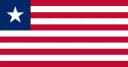
Liberia is a West African country founded in 1847 by African American settlers from the American Colonization Society, making it Africa's first independent republic and one of only two African countries never colonised by European powers (alongside Ethiopia). Monrovia, the capital, is named after US President James Monroe. Liberia carries its founding heritage visibly: the national flag closely echoes the US flag (one star instead of fifty), English is the official language, and the US Dollar circulates as legal tender alongside the Liberian Dollar. The country has held regular democratic elections since 2003 and infrastructure continues to improve steadily. Visitors — mostly aid workers, business travellers, diaspora returning to ancestral roots, and adventure travellers — are drawn to Monrovia's Ducor Hotel ruins, Providence Island (the historic 1822 landing site of the early Americo-Liberian settlers), Sapo National Park rainforest (forest elephants, the last large pygmy hippopotamus population in West Africa), Robertsport's internationally regarded surf coast, the Firestone rubber plantation (one of the world's largest), traditional culture, the unique American-African heritage and West African nature. Tourism infrastructure is limited, and Liberia remains one of Africa's least-visited countries despite English-speaking accessibility.
Booking links go to our partner Trip.com — we may earn a commission at no extra cost to you.
Visa Requirements for Liberia
Liberia requires visas for most international visitors except ECOWAS (Economic Community of West African States) citizens. E-visas are available online through the official government portal for most nationalities, with processing typically 3-7 business days and costs around $50-100 USD depending on type and duration. Visa on arrival is also available at Roberts International Airport for many nationalities for $100-150 USD. Yellow fever vaccination certificate is MANDATORY for all travelers regardless of origin - strictly enforced at port of entry. ECOWAS citizens (Nigeria, Ghana, Senegal, etc.) can enter visa-free for up to 90 days. Passport must be valid for 6 months. Liberia's visa system has improved with e-visa implementation but processing can be unpredictable. Infrastructure challenges and limited tourism mean visa policies are less developed than other West African countries.
Visa types
E-Visa (Tourist/Business)
For tourism or business for most nationalities, applied for online before travel.
Visa on Arrival
For eligible nationalities who haven't obtained e-visa, available at Roberts International Airport.
ECOWAS Visa-Free Entry
For citizens of ECOWAS states (Nigeria, Ghana, Senegal, Sierra Leone, Guinea, Ivory Coast, etc.) for any purpose.
Embassy Visa
Traditional visa obtained through Liberian embassy or consulate before travel.
Guides
Liberia is one of West Africa's most distinctive destinations: Africa's first independent republic, founded in 1847 by African American settlers, and a country whose heritage and present-day life still carry visible American echoes alongside deeply rooted West African culture. Monrovia, the capital, is the obvious starting point — Providence Island marks the historic 1822 landing of the first Americo-Liberian settlers, the Ducor Hotel ruins on the city's highest hill offer panoramic views over the city and the Atlantic, and the Centennial Pavilion anchors the architectural founding heritage. From Monrovia, the most internationally celebrated draw is Robertsport, three hours northwest along the Cape Mount coast: the surf breaks — Cassava Beach, Cotton Trees and Inner Cottons — produce some of West Africa's most consistent waves, with simple beach lodges, rented boards and a small but committed surf scene. Inland, Sapo National Park in Sinoe County is the country's wildlife jewel: dense Upper Guinean rainforest with forest elephants, the last large wild population of the rare pygmy hippopotamus and ten primate species, served by rangers and basic eco-camps for multi-day visits. The Firestone rubber plantation near Harbel — one of the largest rubber operations on the planet — gives a different angle on Liberia's twentieth-century history. English is the official language with a distinctive Liberian-English dialect that blends American, British and West African phrasings, and the US Dollar is legal tender alongside the Liberian Dollar, making payment unusually simple for international visitors. Best time is late November through April (dry season, 24–32 °C). International access runs via European and African hub connections to Roberts International Airport.
Liberia travel guide →
The full guide — the republic's founding capital, uncrowded surf and the pygmy hippo's stronghold.
Money in Liberia →
Dual-currency reality — clean small-bill USD, scarce ATMs and a trip budgeted in cash.
Eating in Liberia →
Rice at the centre, chop bars for everyday eating — and pepper that is meant seriously.
Getting around Liberia →
Paved corridors from Monrovia, laterite beyond — and the rains decide which roads exist.
Health & safety in Liberia →
Yellow-fever certificate at entry, malaria care and evacuation-grade insurance — the essentials.
Cities & planning
Regions
Embassies & missions
Frequently asked questions
Do I need a visa to visit Liberia?
Most non-African visitors do: the e-visa through the official government portal is the planned route ($50-100 depending on type, 3-7 working days' processing — sometimes longer, so apply early), and visa on arrival works at Roberts International for many nationalities at $100-150 in exact US cash. ECOWAS citizens enter free for 90 days. Everyone needs a passport with six months' validity — and the yellow fever certificate, without exception.
Is the yellow fever vaccination really required for Liberia?
Yes, for every traveller from every origin — Liberia enforces it at the airport and land borders, and entry is refused without the certificate. The shot must be at least ten days old at arrival; bring the physical card. Pair it with malaria prophylaxis (endemic year-round), the standard regional vaccines per your travel clinic, and insurance that covers medical evacuation — Monrovia's facilities are limited.
Is Liberia safe to visit now?
The honest register: the civil wars ended in 2003, elections have run regularly since, and the 2014-16 Ebola outbreak was declared over in 2016 — today's Liberia is stable and welcoming, with the practical cautions of any least-visited country: petty crime in Monrovia (no night walking, trusted taxis, particular care around West Point), basic infrastructure up-country, and demonstrations to sidestep when they occur. Travellers who plan realistically and use good local guides consistently report warmth far beyond expectation.
When and how do I surf Robertsport?
The southern-hemisphere swell pumps roughly April to October — the rainy season, which is the surfer's trade-off: bigger, more consistent left points in exchange for wet skies. November-March runs smaller and cleaner for beginners. Get there by shared taxi or 4×4 from Monrovia (about three hours), rent boards locally, and stay in the beach camps under the cotton trees. Crowds are a rumour: sharing a point with five surfers counts as busy.
Can I actually see a pygmy hippo at Sapo?
Manage the expectation: Sapo holds the species' last big wild population, but pygmy hippos are nocturnal, solitary and shy — researchers mostly record them on camera traps, and a live sighting is a genuine rarity. What the multi-day forest camps DO reliably deliver: primary rainforest with nobody else in it, primate troops, elephant sign, extraordinary birding — and the knowledge that your ranger fees fund the hippo's protection. Dry season (December-April) only.
What money should I bring to Liberia?
US dollars, in cash, small and clean: the USD is legal tender alongside the Liberian dollar and prices quote in it, but worn or high-denomination bills get refused, ATMs are scarce and unreliable, and cards work almost nowhere. Budget the whole trip in cash, carry it split and discreet, and take Liberian dollars as change for market-level spending. It's the region's simplest currency situation executed under its most cash-bound conditions.
When is the best time to visit Liberia?
Late November through April — the dry season: passable roads (essential for Sapo and anything inland), reliable travel days and coastal heat in the 24-32°C band. May-October brings some of West Africa's heaviest rains, which close dirt roads and complicate everything except surfing, whose swell peaks exactly then. Plan inland ambitions for the dry window and surf trips for the wet one.
Planning a trip to Liberia? Compare hotels and flights and book in minutes.
Booking links go to our partner Trip.com — we may earn a commission at no extra cost to you.
Visaja keeps this page's contact details and visa guidance under continuous review — still, requirements can change at short notice, so confirm the essentials with the mission or the official government portal before you travel.