Åland Islands
Phone Code
+358
Capital
Mariehamn
Population
30,836 (2025)
Languages
Area
1,583 km²
Driving side
right
Native Name
Åland
Region
Europe
Northern Europe
Timezone
Eastern European Time
UTC+02:00
On This Page
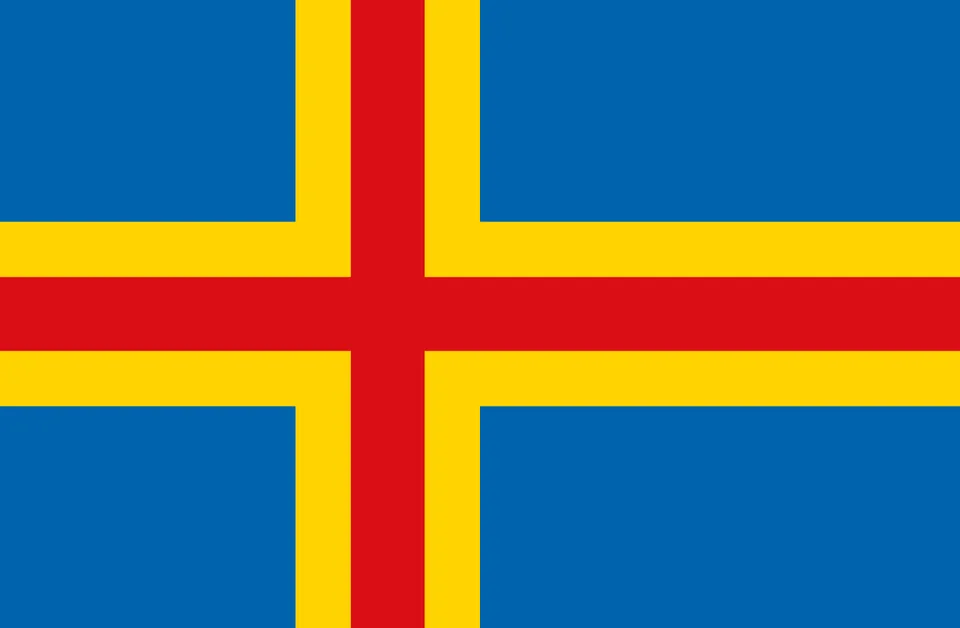
The Åland Islands (Åland in Swedish, Ahvenanmaa in Finnish) comprise a remarkable autonomous archipelago of approximately 6,700 islands and skerries scattered across the Baltic Sea between Sweden and Finland. Only about 60 islands are inhabited, with a total population of around 30,000 residents who are predominantly Swedish-speaking despite the islands' Finnish sovereignty. This unique political arrangement—Swedish language and culture under Finnish rule—emerged from a 1921 League of Nations decision that granted the islands autonomous status to preserve their Swedish identity while remaining part of Finland. Åland's history as a strategic maritime crossroads has shaped its character profoundly. The archipelago was demilitarized and neutralized by international treaties following the Crimean War (1856), making it one of the world's oldest internationally guaranteed demilitarized zones—neither Finland nor any other nation may station military forces here. This peaceful status, combined with autonomous self-government (the islands have their own parliament, flag, stamps, and considerable legislative powers), creates a distinct identity separate from both Swedish and Finnish mainland cultures. The capital, Mariehamn, is a charming maritime town with wooden houses, the world's largest fleet of traditional sailing ships, and museums celebrating the islands' seafaring heritage. The landscape is quintessentially Scandinavian—low-lying rocky islands connected by bridges and ferries, dense pine forests, traditional red cottages with white trim, endless coastline perfect for kayaking and sailing, and a serene beauty that attracts Nordic travelers seeking peaceful island escapes. Summer brings continuous Baltic sunshine and the islands transform into a paradise for cycling, sailing, fishing, and island-hopping, while shoulder seasons offer tranquility and opportunities to experience authentic island life at its most genuine.
Visa Requirements for Åland Islands
Entry to Åland Islands follows Finnish and Schengen Area regulations with some unique considerations due to the islands' special autonomous status and location in the Baltic Sea. Citizens of European Union member states, European Economic Area countries, and Switzerland can enter Åland freely without visas for unlimited stays, using valid national identity cards or passports. Nordic citizens (Denmark, Finland, Iceland, Norway, Sweden) enjoy particularly seamless access due to the Nordic Passport Union established in 1954, which predates the EU and allows free movement without passport controls. For non-EU/EEA visitors, entry requirements follow standard Schengen visa rules as Åland is part of the Schengen Area despite its autonomy. Citizens of visa-exempt countries (including USA, Canada, Australia, New Zealand, Japan, and approximately 60 other nations) can enter Åland visa-free for tourism or business visits up to 90 days within any 180-day period. Valid passports with minimum six months validity, proof of accommodation, sufficient funds, and onward travel documentation are required. Those requiring Schengen visas must obtain Finnish Schengen visas before arrival, as Åland's immigration is administered through Finnish authorities despite the islands' internal autonomy. Åland's unique aspect is its location and transportation. Most international visitors reach Åland via ferry services from Sweden (Stockholm, Grisslehamn, Kapellskär) or Finland (Turku, Helsinki), creating an interesting situation: while technically entering Finnish territory when arriving from Sweden, the journey doesn't involve traditional border controls thanks to Nordic cooperation and Schengen agreements. For practical purposes, travelers arriving by ferry from Sweden or Finland rarely encounter immigration checks unless coming from outside the Schengen Area. Air connections exist via Mariehamn Airport with flights to Stockholm and Helsinki.
Common Visa Types
Visa-Free Entry (EU/EEA/Swiss/Nordic)
For EU member states, EEA countries (Iceland, Liechtenstein, Norway), Switzerland, and Nordic countries citizens for unlimited stays.
Visa-Free Entry (Schengen Visa-Exempt)
For citizens of ~60 visa-exempt countries (USA, Canada, Australia, New Zealand, UK, Japan, etc.) for tourism or business.
Schengen Visa (Finnish)
For nationalities requiring visas for tourism, business, or visiting purposes when traveling to Åland.
Residence Permit (Extended Stay)
For extended stays or residence in Åland beyond tourist limits; includes work, study, or family reunification.
Important Travel Information
•Access: daily ferries from Stockholm...
•Schengen visa rules apply. EU/EEA:...
•Special EU duty-free status: ferries...
•Currency: Euro. Cards widely accepted....
•Swedish sole official language. English...
•Summer (June-August): 18-23 degrees, peak...
•Exceptional cycling: 200+ km routes,...
•Very safe. Excellent tap water....
The Aland Islands are one of Europe's most unusual territories — a Swedish-speaking, self-governing archipelago of 6,700 islands under Finnish sovereignty, demilitarised by international treaty since 1856 and autonomous since 1921, with their own parliament, flag and stamps. The landscape is quintessentially Baltic: smooth granite outcrops, pine forests, red wooden cottages with white trim, and water everywhere. Mariehamn, the capital, is a maritime town where the four-masted barque Pommern — one of the last ocean-going commercial sailing vessels — sits as a museum ship in the harbour. Cycling is the ideal way to explore: over 200 kilometres of flat routes connect islands via bridges and free ferries, and in summer the Nordic daylight lasts until nearly midnight. The Archipelago Trail links outer islands into a multi-day circuit through progressively remote landscapes. Kayaking through sheltered channels, sailing, fishing and foraging round out the outdoor possibilities. Midsummer (Midsommar) is the biggest celebration — maypoles, folk dancing, herring, strawberries and Baltic nights that barely darken. The ferries from Stockholm and Turku carry duty-free status — a quirk of Aland's EU exemption that makes the crossing itself part of the experience.
Discover Åland Islands
A demilitarised, autonomous archipelago since 1856 and 1921
Åland's political status is unlike almost anywhere else in Europe: the islands were demilitarised and neutralised by international treaty following the Crimean War in 1856, making the zone one of the world's oldest continuously guaranteed demilitarised territories — no nation, including Finland, may station military forces here. A 1921 League of Nations ruling then granted the islands autonomous self-government to protect their Swedish language and culture while keeping them under Finnish sovereignty, giving Åland its own parliament, flag and postage stamps. That layered history — Swedish-speaking, Finnish-governed, internationally neutralised — is what gives a visit here its particular texture, felt everywhere from the Ålandspannkaka pancake on café menus to the ferries that still sell duty-free between two EU member states.
Mariehamn and the Pommern: a working maritime memory
Mariehamn, the compact capital, was built around shipping, and the harbour still holds the evidence: the Pommern, a four-masted barque that once carried Australian wheat to Europe, sits as a preserved museum ship exactly where the sailing fleets once loaded and unloaded. The Åland Maritime Museum next door traces the generations of islanders who crewed these vessels around the world, in an era when Åland shipowners ran one of the last commercial fleets of ocean-going sailing ships anywhere. That seafaring identity persists in the town's wooden merchant houses and in a pace of life still set, in part, by ferry timetables.
Cycling and kayaking across 6,700 islands
With over 200 kilometres of flat cycling routes linked by bridges and free inter-island ferries, and summer daylight lasting until nearly midnight, Åland is one of Northern Europe's best territories to explore slowly. The Archipelago Trail strings together a multi-day route through progressively remoter outer islands, while the sheltered channels between the thousands of skerries make for calm, approachable sea kayaking rather than open-water paddling. The rhythm of the place — cycle to a jetty, wait for a small free ferry, cycle on — is itself part of the appeal, and it culminates every June in Midsummer, when maypoles, folk dancing and barely-darkening nights mark the high point of the Ålandic calendar.
Ways to Experience This Destination
Over 200 km of cycling routes on flat terrain, connected by bridges and free inter-island ferries. The Archipelago Trail is the signature multi-day route linking remote outer islands. Bike rental in Mariehamn. Summer daylight lasts until midnight. One of Northern Europe's finest cycling destinations.
The Pommern, a four-masted barque that carried Australian wheat to Europe, anchors in Mariehamn's harbour as a museum ship. The Åland Maritime Museum chronicles the islanders who crewed these vessels worldwide. The sea defines Åland identity.
Sheltered channels between thousands of islands create ideal sea kayaking conditions. Sailing regattas throughout summer. Fishing for pike, perch and Baltic salmon. Berry and mushroom foraging in late summer — a Nordic ritual best done with local guidance.
Midsommar is the biggest celebration: maypoles, folk dancing, new potatoes with herring, strawberries with cream, and nights that barely darken. Swedish language and culture (90% Swedish-speaking) create a distinct identity expressed in food (Ålandspannkaka pancake, smoked fish, craft beer) and a pace of life governed by ferries and weather.
Money & Currency
Euro (EUR)
Currency code: EUR
Practical Money Tips
Euro — No Exchange Needed for Eurozone Visitors
Åland uses the euro (EUR) as part of Finland, so visitors from other eurozone countries need no currency exchange at all. Non-euro visitors (from Sweden, UK, US, etc.) can exchange or withdraw at ATMs in Mariehamn. Swedish kronor are not accepted in shops despite the geographic proximity to Sweden.
Extremely Cashless — Cards and NFC Everywhere
Åland follows the Finnish standard: one of the most cashless payment environments in Europe. Cards and contactless payments are accepted in virtually every shop, restaurant, café, and ferry terminal in Mariehamn. Apple Pay and Google Pay work at all modern NFC terminals. On remote outer archipelago islands, cash may still be needed at small kiosks or harbour shops.
The Duty-Free Secret: Why Åland Makes Baltic Ferries Tax-Free
Åland lies outside the EU VAT area despite belonging to Finland — this is why Baltic ferries between Helsinki/Turku and Stockholm offer duty-free shopping when they pass through Ålandic waters. If you are on a Viking Line or Tallink Silja ferry, the tax-free shop opens when the vessel is in Åland's jurisdiction. Alcohol, cosmetics, and tobacco are significantly cheaper duty-free.
Carry Some Cash for Outer Islands and Farmers' Markets
Mariehamn and larger village centres are fully card-friendly. However, on remote outer archipelago islands (Kökar, Sottunga, Föglö) reached by local ferries, small harbour cafés, fish stalls, and roadside farm shops may be cash-only. Having 30–50 € in small notes is a sensible precaution for multi-island cycling or kayaking trips.
Note: Always check current exchange rates before traveling. Currency exchange is available at airports, banks, and authorized money changers.
What currency does Åland use?
Why is there duty-free shopping on Baltic ferries that stop at Åland?
Can I pay with Apple Pay, Google Pay, or contactless in Åland?
Are there ATMs in Åland?
Is Åland expensive compared to mainland Finland or Sweden?
Do I need to tip in Åland?
Can I use Swedish kronor (SEK) in Åland?
How much cash should I carry for a trip to Åland?
Embassies in Åland Islands
These foreign embassies and consulates are based here. Choose a mission to open its in-depth guide and contact details.
All countries by continent
Europe(1)

Do I need a visa to visit the Åland Islands?
It depends on your nationality, since Åland follows Finnish and Schengen rules despite its autonomy. EU/EEA and Swiss citizens enter freely with an ID card or passport, visa-exempt nationalities (US, Canada, Australia, etc.) get up to 90 days within any 180-day period, and everyone else needs a Finnish Schengen visa arranged before arrival.
How do I get to the Åland Islands?
Most visitors arrive by ferry from Sweden (Stockholm, Grisslehamn) or Finland (Turku, Helsinki), or fly into Mariehamn Airport from Stockholm or Helsinki. Ferry travellers rarely face immigration checks unless arriving from outside the Schengen Area.
Why do the ferries sell duty-free goods if Åland is in the EU?
Åland has a special EU exemption letting ferries between Sweden and Finland sell duty-free goods on board, even though both countries are EU members — a quirk of its unique autonomous status that makes the crossing part of the experience.
What language is spoken in Åland?
Swedish is the sole official language, a legacy of the 1921 autonomy settlement, though English is widely spoken in tourism. Despite this, Åland remains under Finnish sovereignty.
Is Åland a good destination for cycling?
Yes — it's one of Northern Europe's best cycling destinations, with over 200 km of flat routes connecting islands via bridges and free inter-island ferries, and summer daylight lasting until nearly midnight.
When is the best time to visit for Midsummer celebrations?
Midsummer (Midsommar), in late June, is Åland's biggest celebration, with maypoles, folk dancing, herring and strawberries — book accommodation well ahead, since it's also the peak of the summer season.
What currency is used in Åland, and can I pay by card?
The Euro is the currency, and cards are widely accepted. It's still worth carrying some cash for remote islands and smaller vendors.
Is Åland safe to visit?
Yes, it's considered a very safe destination for solo and family travel, with excellent tap water. The main things to watch for in summer are mosquitoes and ticks in wooded areas.
This overview comes from Visaja's worldwide missions database (visaja.com), checked against official government sources; for binding answers, the mission itself always has the final word.