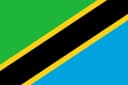
Tanzania
Tanzania is an East African country on the Indian Ocean, home to the Serengeti's Great Migration, the Ngorongoro Crater and Mount Kilimanjaro — Africa's highest peak — as well as the Zanzibar archipelago just offshore. Most visitors need a visa, typically the e-visa applied for online before travel or visa on arrival at major airports, with a yellow fever certificate required for arrivals from endemic countries.
Tanzania Visa & Entry System
Tanzania requires a visa for most international visitors, and the practical route is the e-visa: USD 100 for a one-year multiple-entry tourist or business visa, applied for online at the official immigration portal before travel. On approval you receive a “grant notice” by email, which you print and present at immigration on arrival — the notice is not itself the visa, and the visa is issued at the border against it. Visa on arrival remains available at Julius Nyerere in Dar es Salaam, at Kilimanjaro and at Zanzibar airports, but for single entry only, and queues can be long; the e-visa is the smoother option and the one to plan on. It is no longer possible to obtain a visa from the Tanzanian High Commission in London. One requirement is separate from all of this and catches careful travellers out: visitors to Zanzibar must hold travel insurance issued by the designated Zanzibar national insurer for stays of up to 92 days, and policies from other providers are not accepted for that purpose — comprehensive cover bought at home does not substitute for it, and it is purchased online before travel or on arrival. Standard conditions apply throughout: a passport valid at least 6 months beyond arrival with one blank page, a return or onward ticket, and proof of funds. Only passports with an M or F sex marker are accepted. A yellow fever certificate is mandatory for arrivals from countries with transmission risk. Volunteer work is prohibited on a tourist visa — volunteers need a Class C Residence Permit arranged through the Prime Minister's Office, and doing unpaid work on a tourist visa is treated as a breach rather than a technicality. Overstaying results in arrest, detention, fines and deportation. Cash above USD 10,000 must be declared, and non-residents may neither import nor export Tanzanian shillings.
Visa types
E-Visa (Tourist/Business)
For tourism, wildlife safaris, Kilimanjaro climbing, Zanzibar, cultural visits and business. Applied for online at the official immigration portal — USD 100 for one-year multiple entry. You receive a “grant notice” by email to present at immigration alongside your passport and supporting documents; the visa itself is issued on arrival against it. Processing typically takes several business days, so apply well before departure rather than in the final week. Yellow fever certificate required from countries with transmission risk.
Visa on Arrival
For travellers who did not obtain the e-visa in advance. Available at Julius Nyerere (Dar es Salaam), Kilimanjaro and Zanzibar airports. Single entry only — multiple entry is not available on arrival, which matters if your itinerary crosses to Kenya or Rwanda and returns. Bring passport, return ticket, accommodation proof and the fee. Queues can be long after a bank of international arrivals; the e-visa is recommended.
Class C Residence Permit (Work/Volunteer)
For employment, volunteer work, NGO positions and long-term assignments. Volunteer work is prohibited on a tourist visa, and this catches out well-meaning visitors joining conservation or school projects — the permit is required whether or not the work is paid. Arranged through the Tanzanian Prime Minister's Office. Requires an employment contract or placement letter, qualifications, police clearance and a medical examination.
Guides
Tanzania delivers Africa's most complete safari experience. The Serengeti's Great Migration — over two million wildebeest, zebra and gazelle moving in a continuous cycle between Tanzania and Kenya's Maasai Mara — is the headline draw, with calving season in the southern plains (January-March) and the dramatic Mara river crossings (June-September) as its two defining chapters. The Ngorongoro Crater concentrates the Big Five into a single self-contained caldera, while Tarangire's baobab forests and Ruaha's remote wilderness offer a quieter, less-visited alternative to the northern circuit. Mount Kilimanjaro, the world's tallest free-standing mountain, is reachable by non-technical trekking routes over five to nine days. Zanzibar transforms the trip entirely: Stone Town's UNESCO-listed old town, spice plantations and beaches along the east coast turn a wildlife-focused itinerary into a beach-and-culture one. Tanzania runs more expensive than Kenya for a comparable safari, but the parks feel wilder and considerably less crowded.
Tanzania travel guide →
The full guide — the migration's mechanics, Kilimanjaro's routes, the southern parks and the take-two plan.
Money in Tanzania →
Shillings and clean dollars, lodge cards and park-free ATMs — the practical money guide.
Eating in Tanzania →
The interior plate and the coastal one — ugali and choma, what the monsoon brought, and what safari cooking actually serves.
Getting around Tanzania →
Light aircraft and three circuits that are not a loop, the luggage limit that decides your packing and the Zanzibar hop.
Health & safety in Tanzania →
What to sort before you fly — the vaccination and malaria layer, altitude on the mountain and care beyond the towns.
Cities & planning
Plan your trip
Booking links go to our partner Trip.com — we may earn a commission at no extra cost to you.
Regions
Embassies & missions
Europe · 1
Accredited missions for Tanzania
Frequently asked questions
Do I need a visa to visit Tanzania?
Yes, most nationalities need a visa. The e-visa, applied for online before travel, is the recommended route and gives one-year multiple-entry validity; visa on arrival is also available at Julius Nyerere, Kilimanjaro and Zanzibar airports but tends to involve longer queues.
Is a yellow fever certificate required to enter Tanzania?
A yellow fever vaccination certificate is mandatory for travellers arriving from a yellow-fever-endemic country. It's worth carrying the certificate even if your onward routing seems unlikely to trigger the check, since enforcement is strict.
Do I need separate insurance for Zanzibar?
Yes. Zanzibar requires mandatory travel insurance from the Zanzibar Insurance Corporation (ZIC) for stays of up to 92 days, and other international policies are not accepted for this specific requirement — it's issued separately from any travel insurance bought at home.
When is the best time to see the Great Migration?
It depends what you want to see: calving season in the southern Serengeti (January to March) brings the highest concentration of predator action around newborn calves, while the dramatic river crossings at the Mara and Grumeti happen from roughly June to September. The migration moves continuously, so timing depends on aligning with the herds' position that month.
Do I need a guide to climb Kilimanjaro?
Yes, licensed guides and porters are mandatory on every route — independent climbing isn't permitted. Routes take five to nine days, and choosing a longer route generally improves acclimatisation and summit success rates more than physical fitness alone.
How much does a Tanzania safari cost?
Tanzania safaris run more expensive than neighbouring Kenya, with government park fees adding a fixed daily cost on top of accommodation and guiding — check current park fees and operator quotes when budgeting, since both change over time. Booking well in advance is especially important for peak migration season (June to October).
Can I volunteer in Tanzania on a tourist visa?
No. Volunteer work is prohibited on a tourist visa — volunteers need a Class C Residence Permit, arranged through the Prime Minister's Office, before starting any volunteer placement.
Is malaria a risk in Tanzania?
Yes, malaria is endemic throughout Tanzania except at high altitude. Antimalarial medication is recommended for most itineraries, alongside standard precautions like mosquito repellent and covering up at dawn and dusk; travel insurance with medical evacuation cover is strongly advised given limited medical facilities outside Dar es Salaam.
Planning a trip to Tanzania? Check what you need to enter and apply online in minutes.
Visaja keeps this page's contact details and visa guidance under continuous review — still, requirements can change at short notice, so confirm the essentials with the mission or the official government portal before you travel.