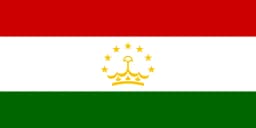
Tajikistan
Phone Code
+992
Capital
Dushanbe
Population
9.5M (2021)
Languages
Tajik · Russian
Area
143,100 km²
Electricity
220 V
Plug types
Europlug · Schuko · AS/NZS 3112
Driving side
right
Native Name
Тоҷикистон
Region
Asia
Central Asia
Timezone
Tajikistan Time
UTC+05:00
On This Page
Tajikistan stands as Central Asia's most mountainous nation, where 93% of terrain soars above 3,000 meters and the legendary Pamir Highway winds through landscapes that earned the name 'Roof of the World.' This landlocked former Soviet republic shares deep Persian cultural roots with Iran and Afghanistan, setting it apart from its Turkic neighbors. For adventurous travelers, Tajikistan offers one of Asia's last frontiers: remote mountain passes accessible only in summer, alpine valleys dotted with traditional Pamiri homestays, Silk Road ruins whispering ancient trade routes, and an emerging e-visa system that has opened this spectacular country to independent exploration.
Tajikistan Visa & Immigration System
Tajikistan has significantly simplified visa access through its e-visa system launched in recent years. The UK Foreign Office confirms that citizens of most Western countries, including UK, US, Canada, Australia, and EU member states, can obtain 45-day tourist e-visas online prior to travel, typically processed within 2-3 business days. According to the US State Department, the e-visa application requires passport details, travel dates, accommodation information, and payment by credit card. The German Foreign Office emphasizes a critical additional requirement: travelers visiting the Gorno-Badakhshan Autonomous Oblast (GBAO)—which includes the entire Pamir Highway and Pamir Mountains region—must obtain a separate GBAO permit. This permit can be requested simultaneously with the e-visa at no extra cost but must be specifically selected during application. The UK government notes that failure to obtain the GBAO permit results in denied entry to the Pamir region at checkpoints. Some nationalities still require embassy visas or visa-on-arrival at Dushanbe airport. The Canadian government advises that passports must be valid for at least 6 months beyond the intended departure date, and registration with local authorities is required for stays exceeding 30 days (hotels handle this automatically).
Common Visa Types
E-Visa (Tourist)
Tourism, sightseeing, trekking, cultural visits
GBAO Permit
Travel to Gorno-Badakhshan region (Pamir Highway, Pamir Mountains)
Visa on Arrival
Limited nationalities at Dushanbe International Airport
Embassy Visa
Nationalities not eligible for e-visa, longer stays, work
Essential Information for Tajikistan Travelers
•The UK Foreign Office confirms...
•GBAO permit is MANDATORY for...
•The US State Department notes...
•Cash (Tajikistani somoni, US dollars,...
•The German Foreign Office advises...
•Altitude sickness is common on...
•The Canadian government confirms that...
•According to the UK Foreign...
•Healthcare facilities are basic; comprehensive...
•The US State Department notes...
•Water safety: drink only bottled...
•The German Foreign Office advises...
•Shared jeep/taxi transport along Pamir...
•The UK Foreign Office confirms...
•Electrical outlets use European round...
•Mobile phone coverage exists in...
Tajikistan rewards intrepid travelers willing to embrace basic infrastructure, language barriers, and genuine adventure. This is not a destination for comfort-seekers—roads are rough, accommodations basic outside Dushanbe, and Russian or Tajik language helps tremendously. However, those who venture here discover extraordinary mountain landscapes, warm hospitality in Pamiri homestays, uncrowded trekking routes through pristine wilderness, and the satisfaction of exploring one of the world's least-visited countries. The Pamir Highway journey stands among Asia's great overland adventures, while the Fann Mountains offer world-class trekking without the crowds of Nepal or Pakistan. Summer (June-September) is the only realistic travel window for mountain regions, as snow closes high passes from October through May. Dushanbe provides a surprisingly cosmopolitan base with Soviet-era monuments, museums, and decent hotels before venturing into the mountains.
Discover Tajikistan
Pamir Highway: The Roof of the World
The Pamir Highway (M41) ranks among the world's most spectacular road journeys, traversing 1,200 kilometers from Dushanbe through the Pamir Mountains to the Kyrgyz border at over 4,000 meters elevation. The UK Foreign Office describes this as one of the highest international highways, crossing the Ak-Baital Pass at 4,655 meters. The journey typically takes 7-10 days, traveling through lunar-like landscapes where yaks graze beside turquoise lakes, traditional Pamiri houses cluster in green valleys, and snow-capped 7,000-meter peaks dominate horizons. Key stops include Khorog (regional capital), Murghab (highest town at 3,650m), the Afghan border views along the Wakhan Corridor, Karakul Lake (crater lake at 3,900m), and countless roadside encounters with local herders. According to the US State Department, the highway is only reliably passable June through September; outside these months, snow and landslides close sections. Shared taxis and jeeps operate the route, though travelers with time hire private 4x4s for flexibility. Basic guesthouses and homestays dot the route—expect shared bathrooms, limited electricity, and simple meals. The German Foreign Office emphasizes that the GBAO permit is mandatory for this entire route and rigorously checked at multiple police checkpoints.
Fann Mountains: Trekking Paradise
The Fann Mountains, located northwest of Dushanbe, offer some of Central Asia's finest alpine trekking without the altitude extremes of the Pamirs. Seven alpine lakes, including the stunning Alauddin Lakes and Iskanderkul, provide trekking destinations ranging from easy day hikes to multi-day circuits crossing 3,000-4,000 meter passes. The UK Foreign Office notes that the Fann region does not require GBAO permits, making it accessible for travelers with standard tourist visas. Popular treks include the Seven Lakes circuit (3-5 days), routes around Iskanderkul Lake, and traverses between valleys staying in village homestays. According to the Canadian government, the trekking season runs June through September, with July-August ideal for high passes. Infrastructure is basic: trails are unmarked, guides are essential for multi-day treks, and camping equipment must be brought or rented in Dushanbe or Penjikent. The reward is pristine wilderness, dramatic mountain scenery, warm village hospitality, and virtually no crowds compared to trekking hotspots in Nepal or Central Europe. Base camps operate at Alauddin Lakes and Artuch providing simple accommodation and meal services.
Dushanbe: Soviet Capital Meets Modernity
Dushanbe, Tajikistan's capital, serves as the essential base for mountain expeditions while offering surprising urban sophistication inherited from Soviet planning. The city's centerpiece, Rudaki Park, stretches for kilometers lined with fountains, monuments, and promenading locals. According to the US State Department, key attractions include the National Museum of Tajikistan (excellent historical and archaeological collections), the world's second-tallest flagpole (the Dushanbe Flagpole at 165 meters), and Haji Yakoub Mosque (Central Asia's largest). The UK Foreign Office notes that Dushanbe offers the country's best hotels, restaurants, and infrastructure—final opportunity to stock supplies before mountain journeys. The Green Bazaar provides colorful market atmosphere selling fresh produce, spices, and traditional textiles. Soviet-era architecture dominates: grandiose government buildings, wide boulevards, and residential blocks. Modern cafes and restaurants have proliferated, offering international cuisine alongside traditional Tajik plov (rice pilaf), shashlik (grilled meat), and qurutob (bread and yogurt dish). English proficiency is limited but improving in tourist services. Dushanbe's location in a broad valley makes it considerably warmer than mountain regions—summer temperatures often exceed 35°C.
Wakhan Corridor: Afghanistan Border Frontier
The Wakhan Corridor, a narrow panhandle of Afghan territory sandwiched between Tajikistan and Pakistan, creates one of Central Asia's most dramatic border experiences. The Pamir Highway follows the Panj River along this border for hundreds of kilometers, offering continuous views across the river into Afghanistan—often just 100-200 meters away. The German Foreign Office describes witnessing Afghan villages, farmers working fields, and occasional waves exchanged across the river. This remote region sees minimal traffic and maintains traditional Pamiri culture. Ishkashim, at the border junction, hosts a Saturday market where Tajiks and Afghans trade goods across a bridge (though foreign tourists cannot cross). According to the UK Foreign Office, the border area is safe for travel along the Tajik side, though photographing military installations and border posts is prohibited. The corridor provides surreal awareness of Afghanistan's proximity—visible yet unreachable. The Canadian government notes that this stretch offers some of the Pamir Highway's most spectacular scenery: steep gorges, the roaring Panj River, and constant mountain vistas contrasting with the knowledge that Afghanistan lies mere meters away.
Ancient Silk Road Heritage
Tajikistan's position on ancient Silk Road trade routes left archaeological treasures, particularly around Penjikent in the northwest. The ruins of ancient Penjikent, a Sogdian city dating to the 5th-8th centuries, sprawl across a hilltop with remnants of houses, streets, and fortifications. The UK Foreign Office describes Penjikent as one of Central Asia's most significant archaeological sites, though less developed for tourism than Uzbek Silk Road cities. The site museum houses excavated artifacts including frescoes depicting Sogdian life. According to the US State Department, Penjikent serves as a gateway to the Fann Mountains while offering cultural attractions. The modern town provides a base with basic hotels and restaurants. Other Silk Road connections include Buddhist monastery ruins at Ajina Tepe near Kurgan-Tube, and the Hissar Fortress outside Dushanbe (16th century though much restored). Tajikistan lacks the grand madrasahs and monuments of neighboring Uzbekistan, but for travelers interested in less-visited archaeological sites and understanding Central Asian trade route history, Penjikent offers rewarding exploration. The region's museums display Greco-Bactrian and Kushan period artifacts demonstrating the area's ancient cultural sophistication.
Pamiri Culture & Homestays
The Pamir Mountains are home to distinct Pamiri people (also called Badakhshani), whose Ismaili Muslim faith, unique architecture, and cultural traditions differ from lowland Tajiks. Traditional Pamiri houses feature distinctive five-pillared central rooms representing cosmological concepts, with skylights admitting natural light and creating sacred geometry. The UK Foreign Office describes homestay experiences in Pamiri villages as highlights of Pamir Highway journeys—families welcome travelers with extraordinary hospitality despite basic living conditions. Meals center on bread, tea, dried fruits, and occasional meat dishes. According to the Canadian government, homestay networks operate along the highway, organized through Pamir Eco-Cultural Tourism Association and other local groups. Rates are modest (typically $15-25 per person including meals), and interactions provide cultural insight impossible in hotels. English proficiency varies, but warmth transcends language barriers. The German Foreign Office notes that Pamiri people maintain strong cultural identity despite Soviet-era pressures and modern change. Visitors witness traditional bread-making, observe agricultural practices adapted to harsh altitude, and learn about Ismaili spiritual practices through conversations with hosts. Respect for customs—removing shoes indoors, modest dress, declining alcohol—ensures positive exchanges.
Practical Travel Realities
Traveling Tajikistan demands realistic expectations and careful preparation. The UK Foreign Office notes that infrastructure outside Dushanbe is basic: roads are often unpaved, electricity unreliable, hot water scarce, and internet connectivity limited. According to the US State Department, cash is essential—Tajikistani somoni cannot be obtained abroad, and ATMs exist only in major cities with frequent cash-out situations. US dollars or euros can be exchanged at banks and money changers. Credit cards are rarely accepted outside top Dushanbe hotels. The German Foreign Office emphasizes that Russian language ability greatly enhances travel experience; English speakers are rare outside tourist services. Food options are limited: expect repetitive meals of rice pilaf, bread, tea, and occasional meat. Vegetarians struggle with limited options. The Canadian government advises comprehensive travel insurance with medical evacuation coverage, as healthcare facilities are basic and serious conditions require evacuation to Kazakhstan or beyond. Altitude sickness affects many travelers on the Pamir Highway—acclimatization is essential, and carrying altitude sickness medication recommended. Border regions with Afghanistan require caution: avoid the border fence, don't photograph military sites, and follow local guidance. Despite challenges, Tajikistan rewards those seeking authentic adventure: spectacular landscapes, genuine cultural encounters, and the satisfaction of exploring beyond typical tourist circuits.
Ways to Experience This Destination
Classic 7-10 day road trip from Dushanbe to Osh (Kyrgyzstan) via Pamir Highway, staying in homestays and guesthouses. Shared jeep, private 4x4 rental, or organized tour. Summer only (June-September). GBAO permit essential.
Multi-day alpine trekking around Seven Lakes, Iskanderkul, and mountain passes. Camping or village homestays. Requires guide, equipment, moderate fitness. No GBAO permit needed. Best July-August.
Focus on Dushanbe, Penjikent Silk Road ruins, Hissar Fortress, museums, and markets. Comfortable hotels, less physically demanding. Combine with Fann Mountains day trips. Accessible April-October.
Technical climbs of 6,000-7,000m peaks including Lenin Peak (7,134m). Requires serious mountaineering experience, organized expeditions, summer season. For experienced climbers only.
Money & Currency
Tajikistani somoni (TJS, SM)
Currency code: TJS
Practical Money Tips
Bring USD Cash — It Is the Most Useful Currency
The Tajikistani somoni (TJS) is the official currency. USD is the most practical foreign currency to bring and exchanges easily at banks and licensed bureaux. EUR is also accepted, though rates for USD are generally better. Exchange before leaving Dushanbe as options outside the capital are extremely limited.
ATMs Exist in Dushanbe — Almost None Elsewhere
Amonatbonk, Eskhata Bank, and a few other banks in Dushanbe have ATMs that may accept international Visa and Mastercard cards. Outside the capital, ATMs are scarce to non-existent. Always carry sufficient cash for any regional travel.
Card Acceptance Is Very Limited
A handful of hotels and restaurants in Dushanbe accept international cards, but acceptance is not reliable. Outside the capital, cash is the only option. Do not plan your trip around card payments.
Carry All Funds as Cash
Tajikistan is primarily a cash economy. Bring your entire travel budget in USD cash, plus a reserve. Exchange incrementally to TJS for local purchases — street food, shared taxis, and accommodation outside Dushanbe all require cash.
Note: Always check current exchange rates before traveling. Currency exchange is available at airports, banks, and authorized money changers.
What currency is used in Tajikistan?
Can I use international bank cards or ATMs in Tajikistan?
Do Apple Pay or Google Pay work in Tajikistan?
Where can I exchange money in Tajikistan?
Is it safe to carry cash in Tajikistan?
Can I pay in USD directly?
Is there mobile banking or money transfer in Tajikistan?
Is tipping expected in Tajikistan?
Embassies in Tajikistan
These foreign embassies and consulates are based here. Choose a mission to open its in-depth guide and contact details.
Key origin countries


All countries by continent
Europe(1)

Do I need a visa for Tajikistan?
Most Western nationalities apply for a 45-day tourist e-visa online, typically processed within 2-3 business days. Some nationalities still require an embassy visa or visa-on-arrival at Dushanbe airport.
What is a GBAO permit and do I need one?
The GBAO permit is a mandatory additional document for anyone visiting the Gorno-Badakhshan Autonomous Oblast, which includes the entire Pamir Highway and Pamir Mountains. It's requested at no extra cost during e-visa application, but skipping it means being turned back at Pamir region checkpoints.
When can I travel the Pamir Highway?
Only June through September — the highway is reliably passable during this window, while snow and landslides close sections the rest of the year. The journey itself typically takes 7-10 days.
Do I need a guide for trekking in the Fann Mountains?
Essentially yes for multi-day treks — trails are unmarked, and a guide makes the difference for routes like the Seven Lakes circuit. No GBAO permit is required for the Fann region.
Is cash necessary for travel in Tajikistan?
Yes, and essential — Tajikistani somoni can't be obtained abroad, ATMs exist only in major cities and often run out, and credit cards are rarely accepted outside top Dushanbe hotels.
Is altitude sickness a concern on the Pamir Highway?
It's a real risk — much of the route crosses passes above 3,500-4,000 metres, including the Ak-Baital Pass at 4,655 metres. Proper acclimatisation and carrying altitude medication are strongly recommended.
This overview comes from Visaja's worldwide missions database (visaja.com), checked against official government sources; for binding answers, the mission itself always has the final word.