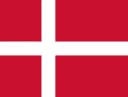
Denmark
Denmark is a Scandinavian country and EU/Schengen member known for hygge lifestyle, Viking heritage, modern design, sustainable living, and being one of the world's happiest countries. Copenhagen, the capital, features colorful Nyhavn harbor, Tivoli Gardens amusement park, Little Mermaid statue, and innovative Nordic cuisine. Visitors are drawn to Copenhagen's bike-friendly streets and design scene, Kronborg Castle in Helsingør (Hamlet's Elsinore - UNESCO site), LEGO House in Billund (LEGO's birthplace), Aarhus contemporary art, white sand beaches, Viking ship museums, and flat countryside perfect for cycling. Denmark offers clean, efficient, and charming Scandinavian experiences.
Booking links go to our partner Trip.com — we may earn a commission at no extra cost to you.
Visa Requirements for Denmark
As a Schengen Area member, Denmark follows standard Schengen visa policies. EU/EEA/Swiss citizens can enter with just a valid ID card or passport for unlimited stays. Citizens of the United States, United Kingdom, Canada, Australia, New Zealand, Japan, and many other countries can enter visa-free for tourism or business stays of up to 90 days within any 180-day period across the entire Schengen Area. Those requiring Schengen visas should apply through Danish embassies or consulates (or other Schengen country missions), submitting completed application forms, passport photographs, travel itinerary, proof of accommodation, travel insurance meeting the Schengen minimum coverage (check the current threshold), and proof of financial means. Note: Greenland and Faroe Islands (Danish territories) have separate visa requirements from mainland Denmark and are not part of the Schengen Area. Three practical points travel with these rules: your passport must have been issued within the previous ten years, in addition to being valid beyond your intended departure; the 90-day allowance is consumed by time spent anywhere in the Schengen Area rather than in Denmark alone, so keeping a day count is worth it if you are moving between member states; and Denmark has at times operated temporary identity checks at its land border with Germany, so carry your passport even on journeys from another Schengen country and check the current arrangement before you travel.
Visa types
Visa-Free Entry (Schengen)
For tourism, business, conferences, visiting friends/family for US, UK, Australia, Canada, and other eligible nationalities.
EU/EEA/Swiss Entry
For EU, EEA, and Swiss citizens for tourism, work, residence, or any purpose without restrictions.
Schengen Visa (Type C)
For short-term stays including tourism, business, cultural events, conferences for nationalities requiring Schengen visa.
National Visa (Type D)
For long-term stays exceeding 90 days including work, study, family reunification, or residence in Denmark.
Guides
Denmark is small, flat and effortlessly stylish — a country that punches vastly above its weight in design, gastronomy, sustainability and quality of life. Copenhagen is the star: Nyhavn's candy-coloured townhouses along the canal (the most photographed spot in Scandinavia), Tivoli Gardens (one of the world's oldest amusement parks, enchanting by night), the free-spirited commune of Christiania, and a New Nordic food scene that put Scandinavia on the global culinary map (Noma, Geranium, Alchemist — three of the world's 50 Best Restaurants in one city). Copenhagen is also one of the world's great cycling cities — over 380 km of bike lanes, more bikes than cars, and an infrastructure that makes cycling feel safer than walking. Beyond the capital: Kronborg Castle in Helsingør is Shakespeare's Elsinore (UNESCO), a Renaissance fortress on the Sound separating Denmark from Sweden. Billund is LEGO's birthplace — the LEGO House and Legoland theme park draw families from across Europe. Aarhus, Denmark's second city, has ARoS art museum (the famous rainbow panorama walkway), a revitalised harbour district and a vibrant food scene. Ribe is Scandinavia's oldest town with Viking heritage and half-timbered houses. The white-sand beaches of northern Jutland and the dune landscapes of Skagen (where two seas meet) offer wild, windswept Atlantic beauty. And then there is hygge — the untranslatable Danish concept of cosy contentment — candles, warm blankets, good coffee, and the art of being present with people you care about.
Denmark travel guide →
The full guide — the Viking system, sand and light, the tidal timetable, the wrong-rock islands and the one-crossing route.
Money in Denmark →
Kroner, near-cashless daily life and tipping by rounding — the practical money guide.
Eating in Denmark →
Rugbrød and smørrebrød as institution, wienerbrød's real story and the Bornholm smokehouses.
Getting around Denmark →
Bridges that make the country one road, trains across the Belts and cycling as infrastructure.
Cities & planning
Plan your trip
Booking links go to our partner Trip.com — we may earn a commission at no extra cost to you.
Regions
Embassies & missions
Europe · 7
Asia · 2
Africa · 2
Oceania · 1
Accredited missions for Denmark
Frequently asked questions
Do I need a visa to visit Denmark?
Most Western visitors don't — EU/EEA/Swiss citizens enter freely, and citizens of the US, UK, Canada, Australia, New Zealand, Japan and many other countries can enter visa-free for up to 90 days within any 180-day period across the entire Schengen Area.
Does my Schengen visa let me visit Greenland or the Faroe Islands?
No — Greenland and the Faroe Islands are Danish territories but are not part of the Schengen Area, so they have separate entry requirements from mainland Denmark, and a Schengen visa alone doesn't grant entry.
Is Denmark part of the Eurozone?
No — Denmark is an EU member but uses the Danish Krone (DKK), not the euro. Most places accept cards, and Denmark is largely a cashless society.
Will I need to carry my passport even when travelling from another Schengen country?
Yes, it's worth it — Denmark has reinstated temporary border controls at its German border despite being a Schengen member, so carry your passport even on trips from neighbouring Schengen countries.
Is English widely spoken in Denmark?
Yes — nearly everyone speaks excellent English, especially in Copenhagen and tourist areas, and it's widely used in business, so language is rarely a barrier for visitors.
Is Copenhagen an expensive city to visit?
Yes — Denmark sits among Western Europe's more expensive destinations, on a par with Norway and Switzerland, and alcohol carries a particularly heavy tax. The offsets are real, though: tap water is safe and free everywhere, the smørrebrød lunch and bakery culture eat well for far less than dinner does, and several of the city's best experiences — walking Nyhavn, cycling the lanes, swimming in the harbour — cost nothing at all.
What is hygge, and will I actually experience it as a visitor?
Hygge is the Danish concept of cosy contentment — candles, warm blankets, coffee and cake with friends — and it's genuinely part of daily life rather than just a marketing term, most visible in Copenhagen's café culture and candlelit wine bars, especially around Christmas markets in December.
Is cycling really the best way to get around Copenhagen?
Yes — the city is flat, bike lanes reach virtually everywhere, and bicycles outnumber cars, making bike rental — cheap, and available everywhere — the way most locals and savvy visitors get around rather than public transport or taxis.
Planning a trip to Denmark? Compare hotels and flights and book in minutes.
Booking links go to our partner Trip.com — we may earn a commission at no extra cost to you.
Visaja keeps this page's contact details and visa guidance under continuous review — still, requirements can change at short notice, so confirm the essentials with the mission or the official government portal before you travel.