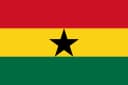
Ghana
Ghana is a West African country known as the “Gateway to Africa”, celebrated for political stability, rich history, vibrant culture, and hospitable people. Accra, the bustling capital on the Atlantic coast, blends modernity with tradition. Ghana was the first sub-Saharan African country to gain independence (1957) and played a key role in pan-African movements. Visitors are drawn to Cape Coast and Elmina castles (UNESCO slavery heritage sites), Kakum National Park canopy walkway, Mole National Park wildlife safaris, Lake Volta (world's largest man-made lake), vibrant markets, traditional Ashanti culture in Kumasi, beaches, waterfalls, and welcoming atmosphere. English as official language makes Ghana accessible to international travellers.
Visa Requirements for Ghana
Ghana offers multiple visa options depending on nationality. Citizens of ECOWAS (Economic Community of West African States) member countries can enter visa-free for up to 90 days. Most other nationals can apply for e-visas online through the official Ghana Immigration Service portal before travelling, with processing typically within 3-5 business days. Some nationalities can obtain visas on arrival at Kotoka International Airport in Accra for tourism purposes. Traditional visas can be obtained through Ghanaian embassies and consulates worldwide. All visitors must have yellow fever vaccination certificates if arriving from endemic countries. Ghanaian visa policies are relatively straightforward and tourism-friendly.
Visa types
E-Visa (Single/Multiple Entry)
For tourism, business, conferences, or visiting friends/family for most nationalities applying online before travel.
ECOWAS Visa-Free Entry
For citizens of ECOWAS states (Benin, Burkina Faso, Cape Verde, Côte d'Ivoire, Gambia, Guinea, Guinea-Bissau, Liberia, Mali, Niger, Nigeria, Senegal, Sierra Leone, Togo) for any purpose.
Visa on Arrival
For tourism for eligible nationalities who haven't obtained e-visa; available at Kotoka International Airport in Accra.
Business Visa
For business meetings, conferences, trade activities, or establishing business presence in Ghana.
Guides
Ghana earns its nickname as the Gateway to Africa. English-speaking, politically stable, genuinely welcoming and loaded with cultural weight, it is the continent's most natural first destination for anyone travelling in Africa for the first time — and it repays repeat visits for everyone else. The slave forts along the coast deliver an unflinching encounter with history: Cape Coast Castle and Elmina Castle (both UNESCO) preserve the dungeons where captives were held before being forced through the Door of No Return onto ships bound for the Americas. The Year of Return initiative in 2019 and its successor Beyond the Return have turned Ghana into the focal point of the African-diaspora homecoming movement. Inland, the country pivots sharply from sombre reflection to exuberant life. Kumasi, seat of the Ashanti kingdom, radiates cultural confidence through the vast Kejetia Market (West Africa's largest), kente-weaving workshops in Bonwire and the Ashanti Traditional Buildings (UNESCO). Kakum National Park's canopy walkway sways 40 metres above the rainforest floor. Mole National Park in the northern savanna offers walking safaris among elephants, roan antelope and baboons at a fraction of East African prices. Accra itself has become one of Africa's most creative cities — Afrobeats, contemporary art, rooftop bars, fashion, surf culture at Kokrobite and Labadi Beach — a place that hums with ambition rather than nostalgia. And the food alone justifies the trip: jollof rice, fufu with light soup, waakye with shito pepper sauce, kelewele and fresh-grilled tilapia from the Volta.
Ghana travel guide →
The full guide — the castles visited with intention, Kumasi's living court and Mole on foot.
Money in Ghana →
The cedi in practice — mobile money for visitors, real card coverage and ATMs beyond Accra.
Eating in Ghana →
A grammar, not a dish list — learn the two halves of a Ghanaian meal and order anywhere.
Getting around Ghana →
Small on the map, slow on the ground — plan in hours, not kilometres, and Ghana opens up.
Health & safety in Ghana →
Visitors worry about the wrong things — Ghana is notably safe; malaria and the roads matter.
Cities & planning
Plan your trip
Booking links go to our partner Trip.com — we may earn a commission at no extra cost to you.
Regions
Embassies & missions
Accredited missions for Ghana
Frequently asked questions
Do I need a visa to visit Ghana?
Most non-African visitors do: the standard route is the e-visa through the official Ghana Immigration Service portal (30, 60 or 90 days; processing around 3-5 working days), with visa on arrival available at Accra's Kotoka airport for eligible nationalities. ECOWAS citizens enter free for 90 days. Two hard requirements for everyone: a passport valid six months, and a yellow fever certificate if arriving from an endemic country — checked at the airport.
What is the Year of Return — and is Ghana good for diaspora heritage travel?
Ghana made itself the centre of the African-diaspora homecoming movement: the 2019 Year of Return (marking 400 years since 1619) and the ongoing Beyond the Return programme built a full infrastructure of heritage travel — the Cape Coast and Elmina tours, ancestral ceremonies at Assin Manso's Slave River, PANAFEST and Emancipation Day each summer, and naming ceremonies communities offer returnees. It is the most developed and most genuine heritage-return experience on the continent.
Is Ghana a good first trip to Africa?
It's the classic answer for a reason: English-speaking, politically stable for decades, genuinely warm toward visitors (akwaaba — welcome — is a culture, not a slogan), with real infrastructure on the main circuits and low hassle by any regional standard. Normal precautions cover the cities and markets. The combination of heritage weight, wildlife, beaches and urban energy in one manageable country is exactly what a first African itinerary wants.
How should I plan a visit to Cape Coast and Elmina castles?
Base a night or two in the Cape Coast/Elmina area rather than day-tripping from Accra — the guided tours (allow 1.5-2 hours per castle) carry emotional weight that deserves unhurried time, and the guides are among Ghana's best. Photography rules vary inside the dungeons; follow the guide's lead. Pair the castles with Kakum's canopy walkway at opening time the next morning, and add Assin Manso if the ancestral dimension matters to your visit.
How does a safari at Mole National Park work?
On foot — Mole's signature is the walking safari: an armed ranger leads small groups across open savanna to approach elephants and antelope directly, mornings and late afternoons, at prices far below East African norms. Lodges above the waterholes let you watch elephants bathe from breakfast. Reach it by flight to Tamale plus two hours' drive, and add Larabanga's ancient mud-and-stick mosque five minutes from the gate.
When is the best time to visit Ghana?
November to March is the dry, reliable window — and prime elephant viewing at Mole. Factor the harmattan (December-February): Saharan dust can haze the skies, softening photography but cooling the nights. April-June and September-October bring rains that green the country without shutting it down; July-August pairs the coast's driest microseason with PANAFEST and Chale Wote — the culture calendar's peak.
Can I rely on cards, or is Ghana a cash country?
Carry cash as the default: cards work at hotels and upscale Accra restaurants, but markets, taxis, craft villages and everything up-country run on cedis — and increasingly on mobile money, which visiting SIM buyers can also use. ATMs are plentiful in cities and thin elsewhere, so withdraw before heading north or along the coast. Small notes make market life easier.
Planning a trip to Ghana? Check what you need to enter and apply online in minutes.
This overview comes from Visaja's worldwide missions database (visaja.com), checked against official government sources; for binding answers, the mission itself always has the final word.