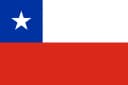
Chile
Chile, a long, narrow ribbon of land stretching along South America's western edge, is a country of extraordinary natural contrasts. From the otherworldly landscapes of the Atacama Desert in the north—the driest place on Earth—to the rugged, glacier-carved fjords of Patagonia in the south, Chile offers some of the planet's most dramatic scenery. Nestled between the towering Andes Mountains and the vast Pacific Ocean, it is a land of active volcanoes, pristine lakes, dense forests, and world-class vineyards. Its dynamic cities, like Santiago and Valparaíso, pulse with culture, art, and gastronomy, while the mystical Easter Island (Rapa Nui) stands as one of the world's most remote and fascinating destinations.
Visa Requirements for Chile
Chile has a relatively straightforward visa policy for tourists. Citizens of many countries, including the US, UK, EU member states, Canada, Australia, and New Zealand, can enter Chile for tourism or business purposes without a visa for stays of up to 90 days. This period can sometimes be extended. However, certain nationalities may need to pay a reciprocity fee upon arrival. For longer stays, work, study, or other specific purposes, you will need to apply for the appropriate visa at a Chilean consulate before travelling. Always check the latest requirements with your local Chilean consulate, as regulations can change.
Visa types
Tourist Entry (Visa-Free)
For tourism, family visits, or short-term business activities for nationals of visa-exempt countries.
Temporary Residence Visa
For individuals planning to work, study, or establish temporary residence in Chile. Requires a job offer or enrollment in a Chilean institution.
Permanent Residence Visa
For those who have held a temporary residence visa for a specified period and wish to obtain permanent residency.
Guides
Chile is the most geographically extreme country on Earth — a 4,300-km ribbon of land never more than 180 km wide, squeezed between the Andes and the Pacific, stretching from the driest desert on the planet to the glaciers of Patagonia. The Atacama Desert in the north is so dry that NASA uses it to test Mars rovers — but it also delivers the clearest night skies on Earth (Chile hosts the world's most powerful telescopes: ALMA, VLT, ELT under construction), flamingo-dotted salt flats, the geysers of El Tatio erupting at dawn at 4,300 m, and the surreal landscapes of the Valle de la Luna. Santiago is a modern, cosmopolitan capital ringed by snow-capped Andes — world-class restaurants (Boragó in the World's 50 Best), craft beer, street art in Bellavista, and skiing at Valle Nevado or Portillo within an hour. Valparaíso, Chile's port city and UNESCO World Heritage site, cascades down 42 cerros (hills) connected by rickety funiculars — street art on every surface, bohemian culture, Pablo Neruda's house La Sebastiana. The Chilean wine country in the Central Valley (Maipo, Colchagua, Casablanca) produces world-class Carmenère (the signature grape rescued from near-extinction) and Cabernet Sauvignon with Andes views from every vineyard. Patagonia in the south is the last frontier: Torres del Paine National Park with its granite towers, glaciers and guanacos is one of the world's great trekking destinations (the W Trek, 5 days). The Carretera Austral is a 1,200-km gravel road through fjords, rainforest and volcanoes — one of the world's great road trips. Easter Island (Rapa Nui), 3,700 km offshore in the Pacific, has nearly 900 moai statues and one of the most isolated cultures on Earth.
Chile travel guide →
The full guide — the moai, the coastal table, ferries past the road's end and the pockets plan.
Money in Chile →
Pesos with large simple numbers, ATMs everywhere and card-friendly cities — the practical money guide.
Eating in Chile →
Completos and street food, seafood along a 4,000-kilometre coast and once — the evening meal that isn't dinner.
Getting around Chile →
Domestic flights as the connective tissue, central-valley buses and the ferries where the road runs out.
Health & safety in Chile →
Earthquake and coast rules, tap water and food reality, and the sun at altitude.
Cities & planning
Plan your trip
Booking links go to our partner Trip.com — we may earn a commission at no extra cost to you.
Regions
Embassies & missions
- AustraliaSantiago
- AustriaSantiago
- CanadaSantiago
- ChinaSantiago
- DenmarkSantiago
- EgyptSantiago
- FranceSantiago
- GermanySantiago
- GuatemalaSantiago
- IndiaSantiago
- IrelandSantiago
- ItalySantiago
- New ZealandSantiago
- NorwaySantiago
- PeruSantiago
- Saudi ArabiaSantiago
- SpainSantiago
- SwitzerlandSantiago
- ThailandSantiago
- United KingdomSantiago
- United StatesSantiago
Accredited missions for Chile
Frequently asked questions
Do I need a visa to visit Chile?
Most Western visitors don't — citizens of the US, UK, EU member states, Canada, Australia and New Zealand can enter for tourism or business without a visa for stays of up to 90 days. Some nationalities may need to pay a reciprocity fee on arrival.
Can I extend my 90-day tourist stay?
It's sometimes possible to extend, though this isn't guaranteed for every nationality — check with Chilean immigration authorities or a local consulate before your stay expires if you need more time.
What do I need for longer stays, work, or study in Chile?
You'll need a Temporary Residence Visa, which requires a job offer or enrollment at a Chilean institution and is typically granted for up to a year, renewable. It's the standard path toward eventually applying for permanent residence.
Is Chile a safe country to visit?
Yes, it's generally considered one of the safest countries in South America, though standard precautions are still worth taking in crowded urban areas, particularly against petty theft.
How do I get around a country as long as Chile?
Domestic flights are common and recommended for long distances — Santiago to Punta Arenas, for example, is over 3,000 km by road, so flying saves days of travel time.
What should I know about Chile's climate before packing?
Chile's climate ranges from desert to polar along its length, so pack accordingly for the regions you'll visit — light clothing for the Atacama Desert in the north, warm gear for Patagonia in the south.
Is the tap water safe to drink in Chile?
In major cities like Santiago, yes. In more remote or rural areas, it's advisable to drink bottled water instead.
What language is spoken in Chile?
Spanish is the official language. English is spoken in tourist areas and major cities, but learning a few basic Spanish phrases goes a long way, especially outside Santiago.
Planning a trip to Chile? Check what you need to enter and apply online in minutes.
This overview comes from Visaja's worldwide missions database (visaja.com), checked against official government sources; for binding answers, the mission itself always has the final word.