
Travel guide
Australia Travel Guide
Australia is a continent that happens to be a country — and its scale is the first thing that hits you. The distance from Sydney to Perth is roughly the same as London to Baghdad. Within that vastness lies a diversity of landscape and experience that no other single nation can match. Sydney is the gateway: the Opera House and Harbour Bridge framing one of the world's great waterfronts, Bondi Beach for the morning surf, the ferry to Manly, and a food scene shaped by Asian, Mediterranean and Pacific Island influences. Melbourne is the cultural counterweight — laneways lined with street art and coffee shops, the MCG for cricket and AFL, a live music scene that rivals London's, and restaurants that have made it one of the world's great eating cities. The Great Barrier Reef stretches 2,300 km along the Queensland coast — the largest living structure on earth, best accessed from Cairns or the Whitsunday Islands. Uluru rises from the red desert of the Centre, sacred to the Anangu people and one of the planet's most powerful natural landmarks. The Daintree Rainforest north of Cairns is the oldest continuously surviving tropical rainforest on earth, meeting the reef at Cape Tribulation where two World Heritage areas collide. The Great Ocean Road curves along Victoria's coast past the Twelve Apostles limestone stacks. Tasmania offers wilderness — Cradle Mountain, Freycinet's Wineglass Bay, and air regularly measured among the cleanest on the planet. Western Australia hides Ningaloo Reef (swim with whale sharks), the Kimberley's ancient gorges, and Margaret River's wine and surf. The Top End delivers Kakadu's rock art and wetlands, crocodile-filled rivers, and Darwin's frontier energy. And the wildlife: kangaroos, koalas, platypuses, wombats, echidnas, and more venomous snakes, spiders and marine stingers than any other country, though the famous ones rarely hurt anyone. Australia's infrastructure makes it all accessible: domestic flights connect every capital within hours, the Indian Pacific and Ghan trains traverse the continent, and the campervan road trip — across the Nullarbor, up the east coast, through the Red Centre — is one of the world's defining travel experiences.
Updated 2026-09-24
Deep dives
Deep dive
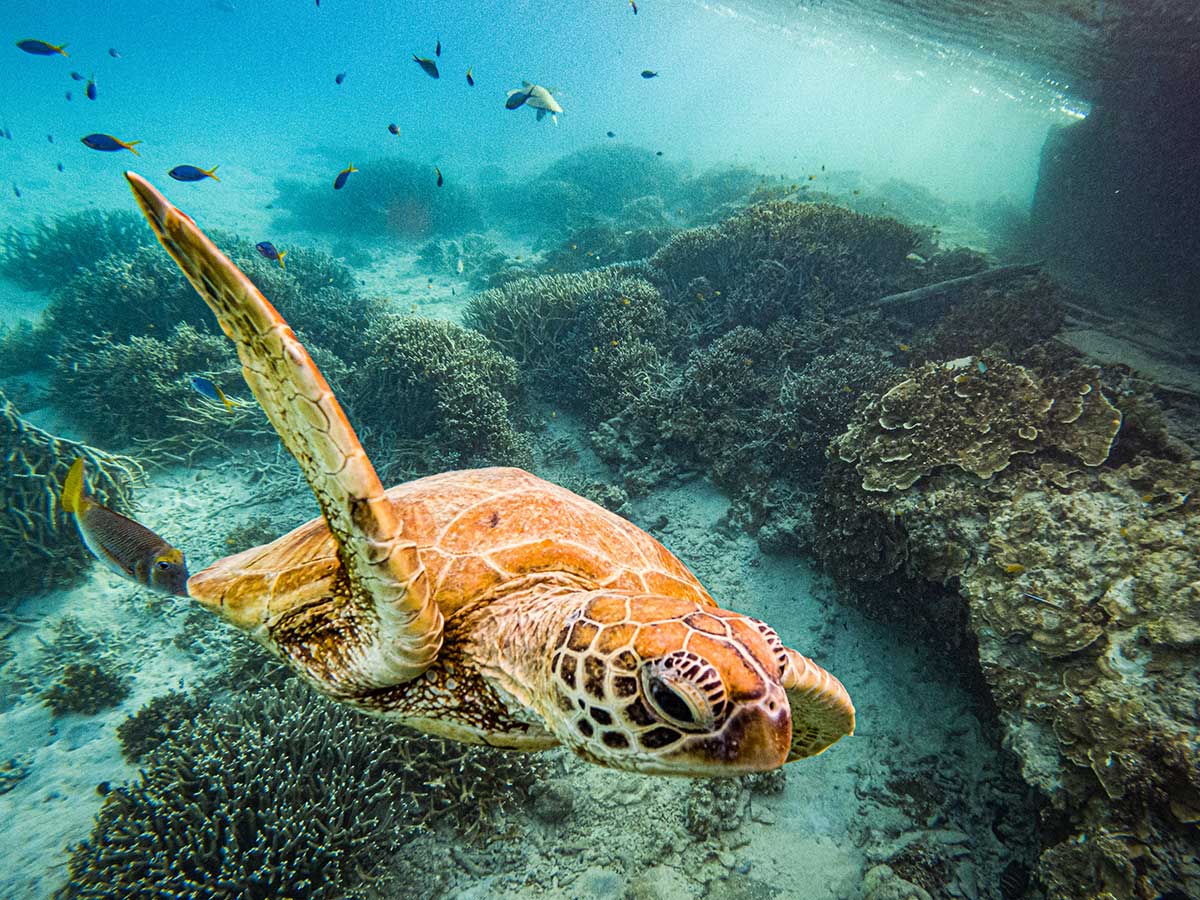
Australian Wildlife →
Most Australian mammals are nocturnal, which is why visitors miss them. Get the timing right and the wildlife becomes the best part of the trip.
Deep dive
First Nations Australia →
Aboriginal and Torres Strait Islander cultures are living and plural, not historical. What that means for how you visit, choose and buy.
Itinerary
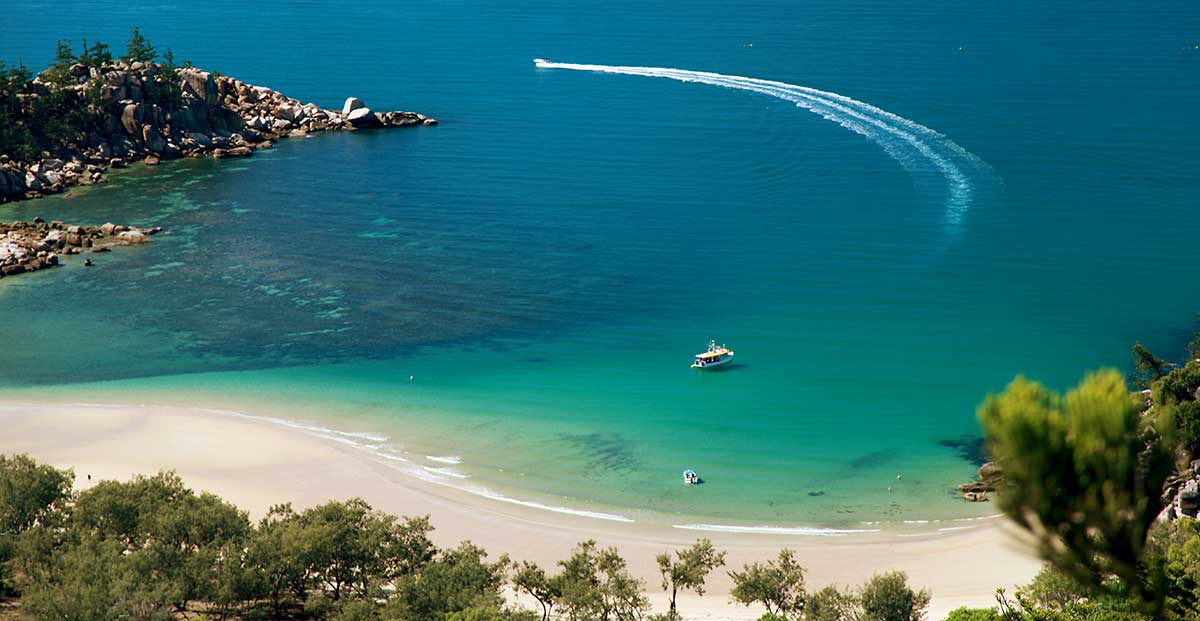
Planning an Australia Trip →
Four coherent Australian trips, what each one actually gives you, and the honest arithmetic on what a second one costs you in days.
Travel Overview
Discover Australia
Sydney announces itself immediately — the Opera House's sail-like roof and the Harbour Bridge frame one of the world's great natural harbours, with Bondi Beach's morning surf culture and the short ferry ride to Manly rounding out a city built around water. Melbourne offers the deliberate counterpoint: a maze of laneways covered in street art and lined with hidden coffee bars, the MCG hosting both cricket in summer and Australian Rules football in winter, and a live music and restaurant scene that has repeatedly been rated among the world's best. The two cities have a genuine, good-natured rivalry, and most visitors end up with a strong preference for one — usually after visiting both.
Ways to Experience This Destination
The Great Barrier Reef (2,300 km, UNESCO — snorkelling, diving, island stays from Cairns and the Whitsundays), Bondi and Sydney's beach culture, the Gold Coast (surf and theme parks), Byron Bay (bohemian beach town), Ningaloo Reef in Western Australia (swim with whale sharks), the Twelve Apostles and Great Ocean Road (Victoria), K'gari, formerly Fraser Island (the world's largest sand island), and the tropical islands of the Whitsundays.
Uluru and Kata Tjuta (sacred to the Anangu people — sunrise/sunset walks, cultural tours), Kings Canyon, Alice Springs (gateway to the Centre), the Flinders Ranges (South Australia), the Kimberley's ancient gorges and waterfalls (Western Australia), Coober Pedy's underground opal-mining town, and the vast emptiness of the Nullarbor Plain crossing.
Sydney (Opera House, Harbour Bridge, Bondi, the Rocks), Melbourne (laneways, coffee culture, MCG, street art, food scene), Brisbane (South Bank, day trips to the Gold and Sunshine Coasts), Perth (Kings Park, Rottnest Island's quokkas), Adelaide (festivals, Barossa Valley wine), Hobart (MONA museum, waterfront), Darwin (Mindil Beach markets, gateway to Kakadu), and Canberra (national institutions, galleries).
Kangaroo Island (sea lions, koalas, echidnas), the Daintree Rainforest (world's oldest tropical rainforest, meeting the reef at Cape Tribulation), Kakadu National Park (wetlands, crocodiles, Aboriginal rock art — UNESCO), Tasmania's wilderness (Cradle Mountain, Freycinet, Tarkine), Phillip Island's penguin parade, Rottnest Island's quokkas, and whale watching from Hervey Bay and the south coast.
Barossa Valley and McLaren Vale (South Australia — Shiraz heartland), Hunter Valley (NSW — Semillon and Shiraz), Margaret River (WA — Cabernet and surf), Yarra Valley (Victoria — Pinot Noir and sparkling), Tasmania (cool-climate Pinot and Chardonnay), and a food culture that draws from Asian, Mediterranean, Middle Eastern and Indigenous ingredients — Melbourne and Sydney rank among the world's great food cities.
The east coast campervan route (Sydney to Cairns), the Great Ocean Road (Victoria), the Gibb River Road (Kimberley 4WD track), the Stuart Highway (Adelaide to Darwin through the Red Centre), surfing at Byron Bay and Bells Beach, diving on the Great Barrier Reef and Ningaloo, skydiving over Mission Beach, and the Overland Track hike in Tasmania.
City guides
Frequently asked questions
Three main ones, and they do not all behave the same way. The eastern states, the central states and Western Australia each run their own time, and the central zone is offset by half an hour rather than a full one. Daylight saving adds a further wrinkle: some states observe it and others do not, so for part of the year the gaps between them change. Check the local time for the state you are actually flying into rather than assuming a single national clock.
If your licence is in English, generally not — most states accept a valid overseas licence from a visiting driver, carried with your passport. If it is not in English you will need an International Driving Permit or an official translation carried alongside it. The rules are set state by state rather than nationally, so confirm for the states you will actually drive in. And note that Australians drive on the left.
Australia uses its own plug type — three flat pins, the upper two set at an angle — which matches no European, British or North American plug, so bring an adapter rather than hoping to buy one at the airport. Mains supply is 230 volts at 50 hertz. Most laptop and phone chargers are dual-voltage and need only the adapter, but anything built solely for a 110-volt supply needs a converter as well.
Entry rules, visa types and practical notes live on the Australia overview.
This overview comes from Visaja's worldwide missions database (visaja.com), checked against official government sources; for binding answers, the mission itself always has the final word.